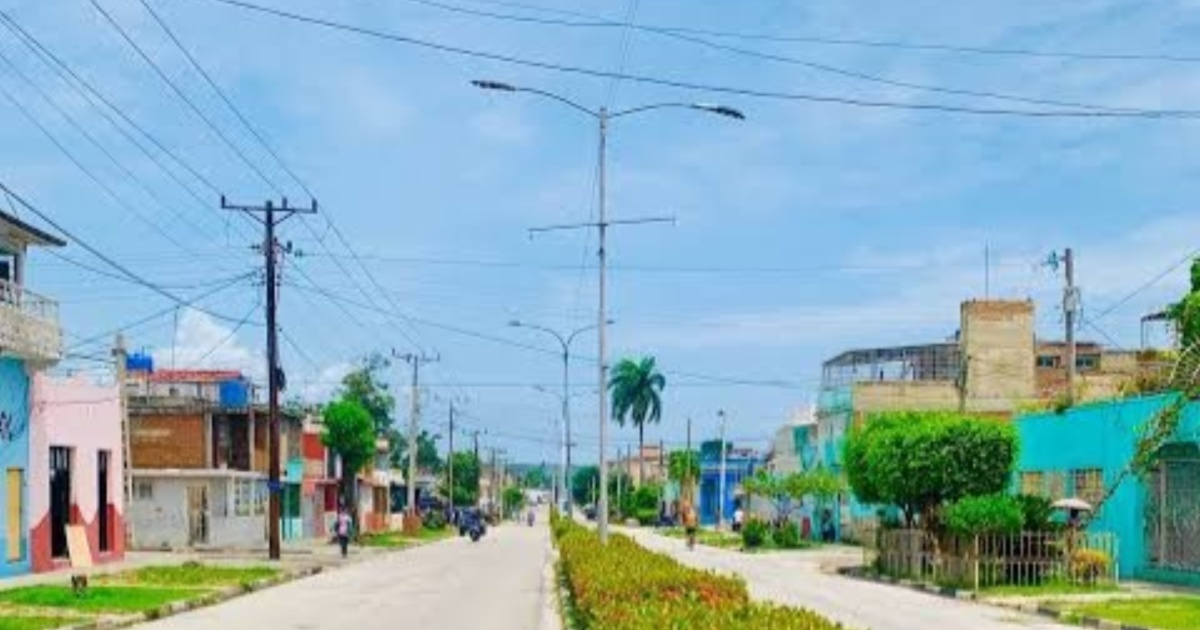
The Revolutionary National Police (PNR) conducted a raid in the Sueño neighborhood of Santiago de Cuba, uncovering several individuals allegedly engaged in the illegal sale of pharmaceuticals. Among the seized items were drugs produced domestically and those regulated by the state pharmacy network.
According to a report from the Santiago de Cuba Hoy profile, affiliated with the Ministry of the Interior (MININT), those involved failed to provide legal documentation for the confiscated goods, which included various types of pill blisters.
Authorities have announced that their investigation will continue to ascertain the source of the medications and to identify any additional individuals connected to the case.
Public Outrage and Cynicism
The reaction from Santiago's residents on social media was marked by irony and frustration rather than surprise. Many comments echoed the sentiment that street sales of pharmaceuticals are a long-standing, widespread issue visible throughout the city, not just confined to the Sueño area.
"All of Cuba's medication is on the street. The sale of nationally produced drugs has been happening for a long time in plain sight throughout the city. If the operation is only happening now, they are already late," wrote one local.
Others pointed out that the drugs are openly advertised on walls, sidewalks, and bus stops. "Pharmacies don't have medications; they're on the street, announced loudly, without fear. Medications are on walls, on sidewalks, getting contaminated. Where is the control of the drug distributor, where is the pharmacy oversight? The action comes way too late when the problem is deeply rooted. Even as I write this comment, someone is offering me hospital masks and urinary catheters," another user complained.
Corruption and Desperation
Numerous comments directly accused corruption within the state's distribution chain. "We all know that at pharmacies, the truck unloads drugs through one door and they leave through another, leaving patients to fend for themselves, forced to buy from criminals," one user asserted.
A resident vividly described the situation: "A traveling salesman comes by almost every day, acting as a mobile pharmacy."
Another commenter mentioned sellers setting up shop on the outer walls of buildings. One resident reported that spironolactone—a medication for blood pressure and heart failure—was being offered for 700 Cuban pesos on the black market.
Rather than condemning the sellers, many residents defend them as the only viable option amid chronic shortages. "What's the news here? As far as I'm concerned, they should keep selling, because if they don't, we'll die, since the pharmacies are empty," summarized one local.
Nationwide Pharmaceutical Crisis
The backdrop is a pharmaceutical crisis of national proportions: as of April 2026, only 190 out of 651 essential medicines were available, roughly 30% of the total.
In Villa Clara, provincial authorities have acknowledged that "all pharmacological categories are affected," with 368 out of 636 medications in shortage.
The regime has responded with over 5,000 inspections and joint operations between the Ministry of Public Health and MININT across various provinces, yet none of these efforts have addressed the structural shortages fueling the black market.
In March 2026, the official press admitted that the informal sale of medications had spread to social media, digital platforms, and public spaces across the country.
Understanding the Pharmaceutical Crisis in Cuba
What sparked the recent police operation in Santiago de Cuba?
The operation was initiated by the Revolutionary National Police to crack down on the illegal sale of pharmaceuticals, particularly those produced nationally and regulated by the state pharmacy network.
How are residents reacting to the street sale of medications?
Many residents express frustration and cynicism, noting that street sales of pharmaceuticals are a long-standing issue throughout Santiago de Cuba, not just in specific neighborhoods.
What is the scope of the pharmaceutical shortage in Cuba?
As of April 2026, only about 30% of the essential medicines were available, with significant shortages affecting all pharmacological categories across the country.