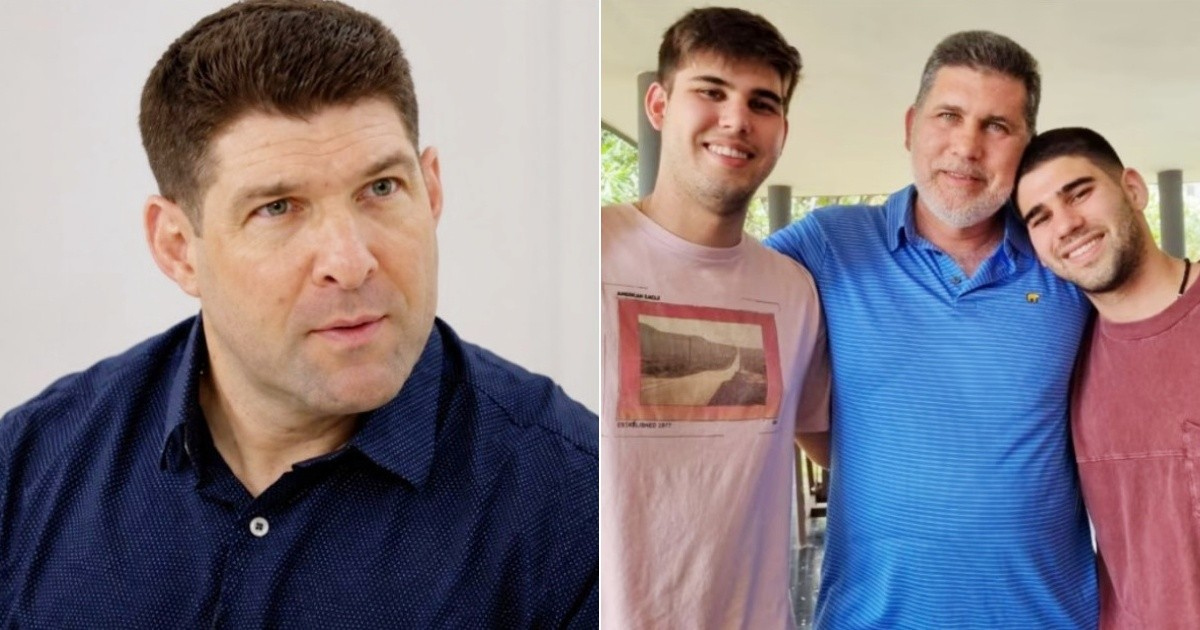
Raúl Guillermo Rodríguez Castro, also known as "El Cangrejo" and a grandson of Raúl Castro, took action to communicate with the U.S. negotiating team after FBI agents approached two of his relatives in Miami. Martí Noticias uncovered this information through sources close to the matter.
The individuals contacted were Carlos Ernesto and Camilo Pérez-Oliva González, sons of Óscar Pérez-Oliva Fraga, who is currently serving as Cuba's Vice Prime Minister and Minister of Foreign Trade and Foreign Investment (MINCEX). They are also great-nephews of Fidel and Raúl Castro.
FBI's Unexpected Visit
According to the sources cited, federal agents requested the brothers' father's cell phone number, indicating a desire for direct communication with him. However, the brothers refused to provide this information.
El Cangrejo was reportedly enraged by the FBI's approach, as he expressed to the Americans that such actions against Óscar's children were unacceptable and jeopardized any potential for dialogue, according to sources involved in mediating between the Trump administration and the Cuban regime.
Ongoing Negotiations with the U.S.
A U.S. State Department source clarified that "at no point were negotiations in jeopardy," countering the claims of a Cuban official who suggested the dialogue between the Trump administration and Havana was severed. A spokesperson for the State Department confirmed that talks are ongoing, but the Cuban regime has been unwilling to accept any measures that might benefit the Cuban people and threaten its absolute control.
While the State Department refrained from making official comments, an anonymous official confirmed to Martí Noticias that there was indeed communication between Raúl Guillermo Rodríguez Castro and the U.S. negotiating team on behalf of Pérez-Oliva Fraga's sons.
Legal Implications and Historical Context
Legal expert Frank Quintero explained that an FBI visit does not necessarily imply suspicion of a crime; rather, it could be an attempt to gather information. The legal risk is significant due to Cuba's strict penalties for unauthorized contact with foreign officials. The case of former Economy Minister Alejandro Gil, sentenced to life for espionage in 2025, underscores the potential consequences of unauthorized foreign contact, highlighting the brothers' refusal to disclose their father's contact information.
The Pérez-Oliva Brothers in the U.S.
Carlos Ernesto and Camilo Pérez-Oliva González immigrated to the United States as minors with their mother via the southern border in 2014. They pursued higher education at Florida International University (FIU) and currently reside in Florida, maintaining low-profile businesses unrelated to Cuba, according to statements made to Martí Noticias.
Camilo has addressed accusations concerning his family's arrival in the U.S., the financing of his education, and his business ventures. In a November 2025 statement, he denied receiving any financial support from the Cuban government, affirming that his education was funded through federal programs, personal work, and family efforts.
He refuted claims of European citizenship and stated that his ventures were initiated with modest investments, not Cuban government resources. Camilo emphasized that the decision to leave Cuba was driven by the lack of freedoms and dissatisfaction with the political system, seeking a better future.
Camilo's Political Stance
While not identifying as a political activist, Camilo has criticized the Cuban system and participated in Miami protests during the historic July 11, 2021 demonstrations. Despite maintaining familial ties with his father, Óscar Pérez-Oliva Fraga, Camilo expressed profound political differences.
In his November 2025 declaration, Camilo warned of potential legal actions against defamation and called for unity within the Cuban exile community to avoid spreading false information.
Óscar Pérez-Oliva's Influence
The U.S. authorities' interest in Óscar Pérez-Oliva Fraga is significant given his roles as Vice Prime Minister and Minister of Foreign Trade and Foreign Investment. His familial connection to the Castro family adds further political weight to the situation.
Despite El Cangrejo's indignation and claims of a broken dialogue, U.S. authorities maintain that negotiations continue, highlighting the complexities in the relationship between Washington and Havana, especially given the Castros' enduring influence.
Key Questions about the FBI's Interaction with the Castro Family
What prompted the FBI to contact the Pérez-Oliva brothers?
The specific reasons for the FBI's visit to the Pérez-Oliva brothers remain unclear, as Martí Noticias could not ascertain if it was linked to any particular investigation.
How did El Cangrejo react to the FBI's actions?
El Cangrejo was reportedly furious and communicated to the U.S. that the actions taken against Óscar's children were unacceptable, potentially harming dialogue efforts.
Are negotiations between the U.S. and Cuba affected?
Despite initial claims of disruption, a U.S. State Department source confirmed that negotiations are ongoing and have not been jeopardized by the incident.
Who are Carlos Ernesto and Camilo Pérez-Oliva?
Carlos Ernesto and Camilo Pérez-Oliva González are the sons of Cuban Vice Prime Minister Óscar Pérez-Oliva Fraga, residing in Florida and maintaining businesses unrelated to Cuba.