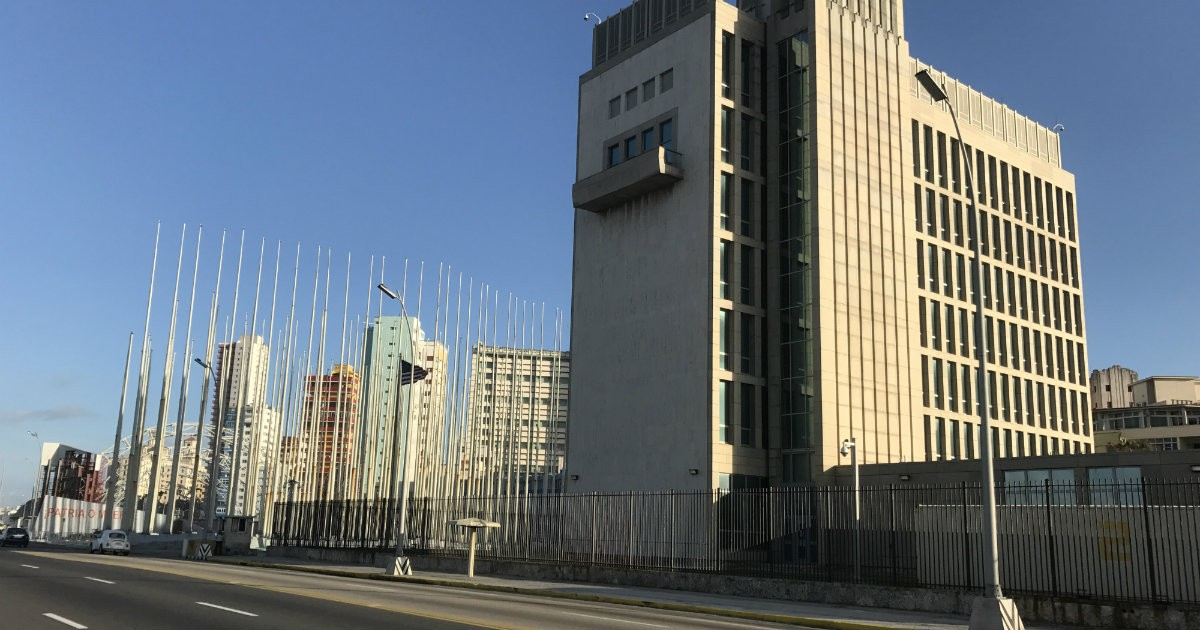
The U.S. Embassy in Havana issued an official health alert on Friday, highlighting a "significant increase in diarrheal diseases throughout Cuba." This surge is attributed to the collapse of the island's water and energy infrastructure.
The diplomatic mission identified pathogens such as E. coli, Norovirus, and Shigella among recent cases and offered guidance on food safety, water consumption, and illness management.
The alert advises seeking medical help for "persistent or severe diarrhea, bloody stools, high fever, intense abdominal pain, repeated vomiting, signs of dehydration, or symptoms that do not improve." This is a challenging directive for most Cubans, given the scarcity of medicines and supplies in pharmacies and hospitals.
Infrastructure Collapse Compromises Health
The alert highlights the "ongoing deterioration of water and energy infrastructure," which affects both the availability of safe drinking water and the proper storage and temperature control of food.
Food and Water Safety Recommendations
Regarding food, the embassy advises caution with meat, poultry, seafood, eggs, dairy, and other perishables that may have been improperly stored. For water, the instructions are clear: "Use only water you know is safe for drinking, brushing teeth, making ice, and cooking."
Bottled water with intact seals is recommended, and the embassy warns that ice can also pose a risk if its source is uncertain.
In terms of hygiene, the alert states that "hand sanitizer may be less effective against certain gastrointestinal pathogens, including norovirus," emphasizing the importance of washing with soap and water.
Limited Medication Supplies
The alert cautions that "common medications (e.g., acetaminophen, ibuprofen, antibiotics) often run short in Cuba; consider bringing your own supply." This warning is a reflection of a documented pharmaceutical crisis: by 2026, only about 30% of essential medicines are available, with 461 out of 651 drugs missing nationwide.
Biocubafarma has admitted it cannot guarantee nearly 300 of the 395 medications promised to the healthcare system.
Power Outages and Health Risks
There is a direct link between power outages and illness: 87% of the water supply system depends on the National Power System, meaning prolonged outages halt the pumping stations.
Previous Outbreaks and Recent Incidents
Throughout 2026, outbreaks of hepatitis A have been reported in at least six provinces—Matanzas, Camagüey, Pinar del Río, Ciego de Ávila, Santiago de Cuba, and Havana—all tied to water contamination and sanitation failures.
On August 25, a mass food poisoning incident in Santiago de Cuba affected 52 people, with 18 hospitalized—including two pregnant women and three minors—exhibiting symptoms of vomiting, diarrhea, and dehydration.
Frequent Alerts Reflect Rapid Deterioration
This marks the third alert from the U.S. Embassy in less than two weeks, underscoring a rapidly worsening situation on the island.
On August 28, the embassy warned that "Cuba's water distribution infrastructure is increasingly unstable." On September 1, it issued a warning about a widespread increase in crime attributed to "deteriorating economic conditions."
Understanding the Health Crisis in Cuba
What are the main causes of the increase in diarrheal diseases in Cuba?
The increase in diarrheal diseases in Cuba is primarily attributed to the collapse of the island's water and energy infrastructure, which affects the availability of safe drinking water and proper food storage.
How does the infrastructure collapse affect public health in Cuba?
The infrastructure collapse compromises the supply of potable water and the storage of perishable foods, increasing the risk of food and waterborne illnesses.
What are the recommended precautions for food and water in Cuba?
It is advised to be cautious with perishables such as meat, poultry, seafood, and dairy, and to use only safe water for drinking, cooking, and personal hygiene.