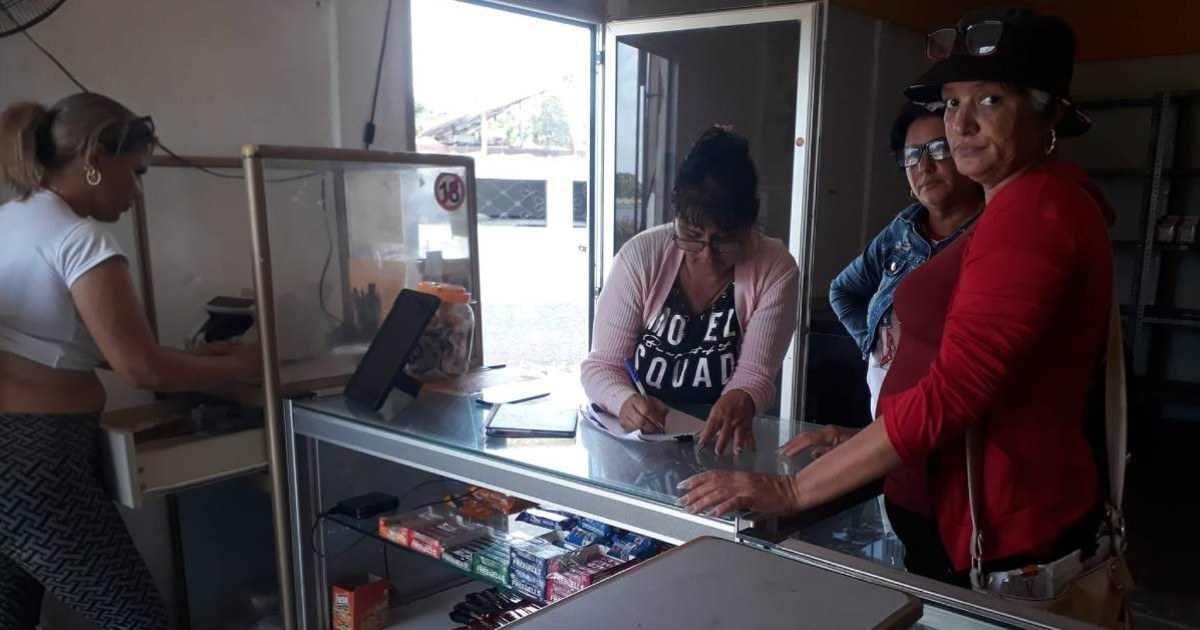
A Cuban state-run radio station found itself compelled to issue a public apology to a private company after disseminating erroneous information about its closure without proper verification.
Radio Sandino, a local station in Pinar del Río, admitted to reporting the closure of the microenterprise Lamas Loto without conducting a thorough investigation.
On August 18, the station announced on its Facebook page that the company had been shut down due to its clients' inability to utilize electronic payment systems Transfermóvil and EnZona, suggesting this violated existing regulations. However, a subsequent review at the local government headquarters revealed otherwise.
The findings indicated that "Lamas Loto did not breach any regulations regarding customer access to electronic payment methods. The business resorted to direct transfers to a fiscal account when QR codes were inaccessible due to connectivity issues."
This alternative—direct transfer to a fiscal account—is a legitimate and accepted practice under Cuban law. Essentially, the business acted correctly in response to a connectivity failure, reflecting Cuba's ongoing structural challenges.
Radio Sandino acknowledged the lapse in due diligence before announcing the company's closure, stating, "We apologize to Lamas Loto for any harm caused by our station's report."
It is rare for Cuban state media to publicly correct and apologize to a private business, highlighting an unusual occurrence in the island's media landscape, where government outlets seldom admit their mistakes or acknowledge impacts on the non-state sector.
This incident took place amid a government crackdown on private businesses and microenterprises in August 2026, focusing on enforcing mandatory electronic payments.
During this period, authorities closed 15 establishments in Centro Habana in a single day after inspecting 232 economic entities.
In Bayamo, five businesses were shut down for refusing transfer payments. A crackdown in Las Tunas led to 22 closures, eight license revocations, and fines exceeding 1.2 million pesos in just one week.
In Sancti Spíritus, over 200 fines were issued, and at least five businesses were closed due to violations related to pricing and payment gateways.
The legal framework supporting these actions includes the Ministry of Domestic Trade's Resolution 93/2023, mandating the use of platforms like Transfermóvil or EnZona, and Decree-Law 91/2024, which imposes fines ranging from 200 to 60,000 pesos and penalties up to permanent business closure.
Understanding Cuba’s Regulatory Environment for Businesses
What prompted the apology from Radio Sandino?
Radio Sandino apologized after incorrectly reporting the closure of a private company without verifying the facts. An investigation showed the company had not violated regulations.
How are electronic payments regulated in Cuba?
Cuban regulations require businesses to enable electronic payments through platforms like Transfermóvil and EnZona, as per Resolution 93/2023 and Decree-Law 91/2024.
What were the consequences of the government crackdown in August 2026?
The crackdown resulted in numerous business closures, license revocations, and substantial fines across various Cuban regions.