Recent data from the Centers for Disease Control and Prevention (CDC) reveals that Florida has reported a total of 208 dengue cases. With several counties in the southern and central parts of the state experiencing local virus transmission, mosquito control operations are being intensified.
The situation took a turn for the worse this Wednesday when Orange County confirmed its first locally acquired dengue case. The county's Health Department and Mosquito Control are collaborating on surveillance and spraying efforts in the Orlando area.
Spike in Local Cases in Tampa Bay Area
The Tampa Bay region is currently the epicenter of local dengue cases in the state, with over 30 locally contracted infections documented. Pinellas County, under an official alert for mosquito-borne diseases, has ramped up its spraying and control measures. This includes door-to-door inspections and backpack spraying treatments, particularly in Palm Harbor and St. Petersburg.
"Dengue does not respect county borders," warned Alissa Berro, director of Pinellas Mosquito Control Service. She highlighted the risk that an infected traveler poses by potentially spreading the virus through local mosquitoes in new areas.
Hillsborough County Hit Hardest
Hillsborough County has been the hardest hit, with 15 local cases recorded by the end of August. During the same month, five mosquito groups tested positive for dengue, all linked to Aedes aegypti, the primary vector. Pasco County even deployed a helicopter for aerial neighborhood spraying during the week of August 28.
In Lee County, which includes Fort Myers and Naples, authorities have heightened monitoring for travel-related cases, although no local transmission has been confirmed so far.
Concerns in Miami-Dade
Miami-Dade reported its first locally acquired case in early August, indicating the individual contracted the virus within the county rather than abroad, raising concerns among health officials.
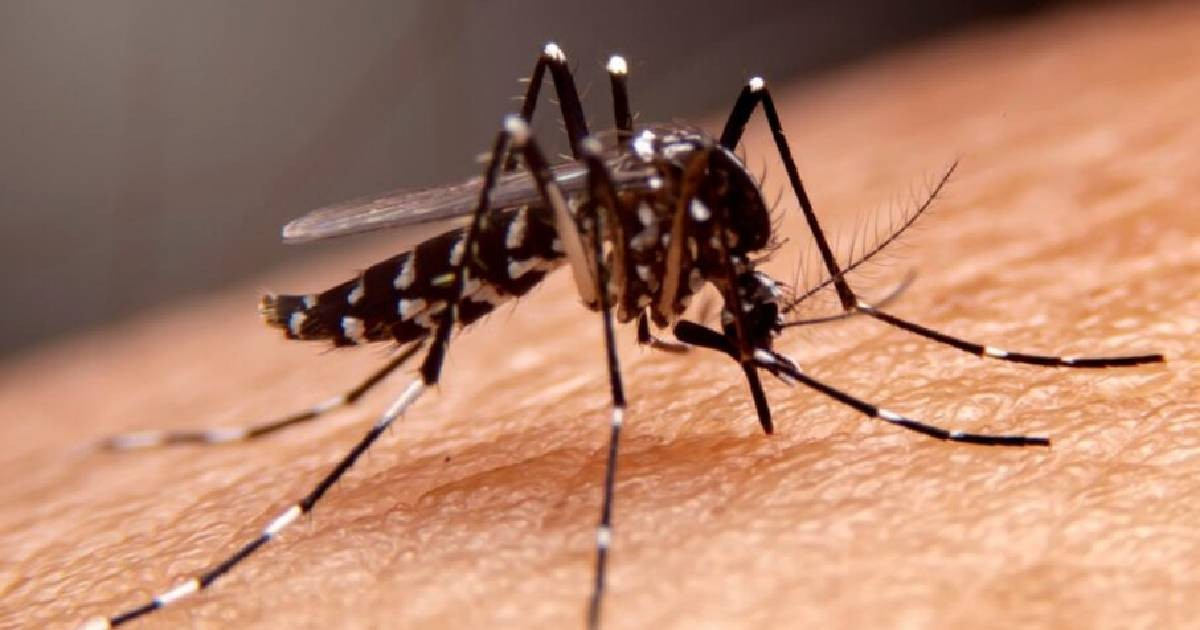
Authorities emphasize that dengue is not transmitted from person to person but through the bite of an infected Aedes aegypti mosquito, which is mainly active during daylight and can breed in even the smallest amounts of standing water, such as in a bottle cap.
Preventive Measures and Additional Risks
To prevent the spread of dengue, residents are advised to eliminate containers with standing water around their homes, wear long sleeves and light-colored clothing outdoors, and use CDC-approved repellents containing DEET, picaridin, or IR3535.
The epidemiological scenario in Cuba poses an additional risk factor for Florida. Just 90 miles south of the state, Cuba is experiencing an active outbreak. In June, the Ministry of Public Health warned of the simultaneous circulation of all four virus serotypes, a particularly dangerous combination that raises the risk of hemorrhagic dengue. Earlier this month, Las Tunas reported serotype 4 circulation, with heightened risk for children, pregnant women, the elderly, and individuals with chronic diseases.
In 2025, Cuba recorded over 81,000 cases and at least 65 deaths attributed to dengue and chikungunya. The travel traffic between Cuba and Miami turns every imported case into a potential starting point for new local transmission hotspots in Florida, where mosquito season peaks until mid-October due to summer heat and rains creating ideal conditions for Aedes aegypti proliferation.
Health agencies are also maintaining continuous surveillance across Florida for other mosquito-borne diseases: West Nile virus, Eastern equine encephalitis, St. Louis encephalitis, malaria, and chikungunya.
Understanding the Dengue Threat in Florida
What is causing the increase in dengue cases in Florida?
The rise in dengue cases in Florida is primarily due to local transmission of the virus, facilitated by the active presence of Aedes aegypti mosquitoes which can breed in minimal amounts of standing water.
How are local authorities responding to the dengue outbreak?
Local authorities are responding by intensifying mosquito control efforts, including increased spraying and surveillance, door-to-door inspections, and public awareness campaigns on preventive measures.
What are the recommended preventive measures against dengue?
To prevent dengue, it is recommended to eliminate standing water around homes, wear long sleeves and light-colored clothing outdoors, and use repellents with DEET, picaridin, or IR3535.