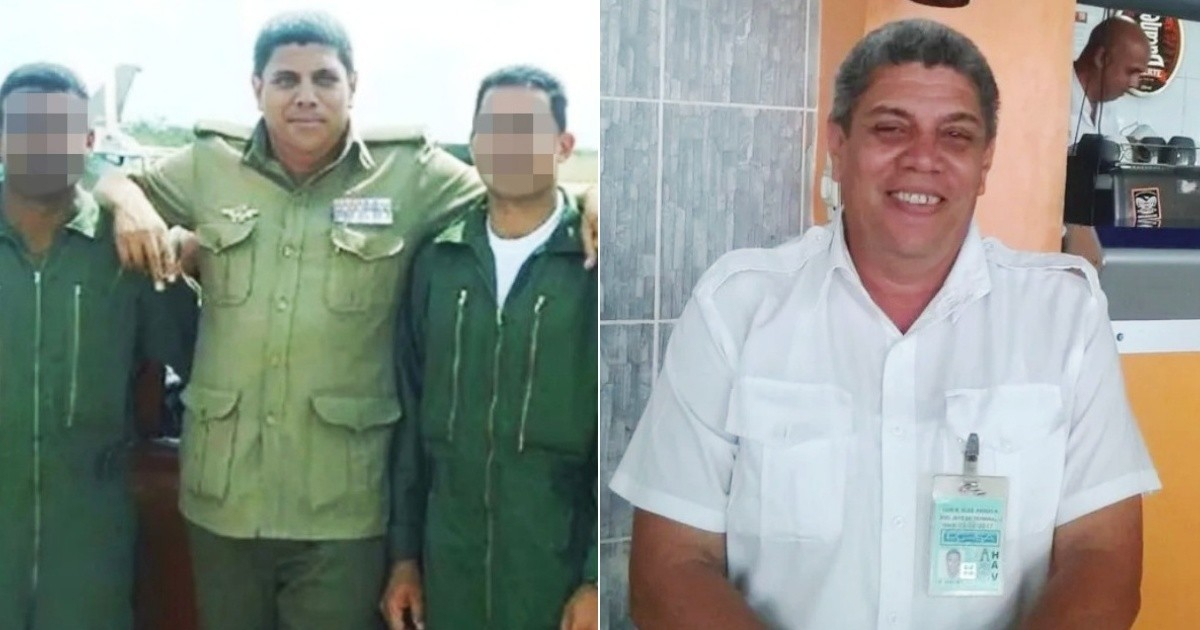
Luis Raúl González-Pardo Rodríguez, a former lieutenant colonel and ex-pilot of the Cuban Air Force, appeared on Wednesday at the U.S. District Court for the Southern District of Florida in Miami. This session was part of the ongoing legal proceedings linking him to the 1996 downing of two Brothers to the Rescue aircraft. The reporting was conducted by journalist Alexis Boentes from Telemundo 51.
The day's most significant revelation came from Boentes: "The most crucial aspect of this hearing is the prosecution's announcement, stating before the judge that they will not seek the death penalty against him."
This decision, however, does not shield González-Pardo from a harsh sentence. He faces charges of conspiracy to murder U.S. citizens, which could result in a life sentence and a fine of up to $250,000.
The 65-year-old defendant appeared before federal judge Darrin P. Gayles, restrained in both hand and feet cuffs, and clad in inmate attire.
Legal Proceedings Delayed Due to Classified Evidence
As noted by Univision journalist Javier Díaz, who also covered the hearing, González-Pardo appeared relatively calm and maintains his plea of innocence.
This Wednesday's session was not the trial's commencement but rather a status conference following the postponement of proceedings initially set for August 24.
The primary hindrance involves the nature of the evidence. According to Boentes, "a significant portion of the evidence in this case is classified information. The defense attorneys have yet to gain access to this information, despite being interviewed by the FBI."
The case file also comprises materials stored on outdated media and physical evidence dating back three decades that remains undigitized. Consequently, the case will continue without a set trial date, with follow-up hearings approximately every 60 days.
González-Pardo's Role in the 1996 Incident
Federal charges allege that González-Pardo piloted the MiG-29A identified as "Code 22" during the February 24, 1996, operation when Cuban fighters shot down two civilian Cessna 337 planes over international waters in the Florida Straits.
Though González-Pardo did not fire the missiles, the prosecution argues that this does not absolve him of involvement in the alleged conspiracy. Boentes elaborated on the prosecutors' stance: "Not having fired does not mean he isn't responsible for a conspiracy to kill American citizens."
The specific accusation is that he pursued a third aircraft, which carried Silvia Iriondo, a former member of the movement, who managed to escape. The operation resulted in the deaths of Armando Alejandre Jr., Carlos Costa, Mario de la Peña, and Pablo Morales. Three were American citizens, and Morales was a permanent resident. Their bodies were never recovered.
Unique Case of U.S. Custody
González-Pardo is the sole defendant among the six charged in the federal indictment currently in U.S. custody. The other five, including former Cuban leader Raúl Castro, are considered fugitives.
Both Castro and Lorenzo Alberto Pérez-Pérez face additional charges, including four counts of murder—one for each victim—and charges related to the destruction of the aircraft.
The prosecution argues that Castro, then the Cuban Armed Forces minister, personally authorized the use of lethal force against the civilian planes.
Decades of Pursuit to Reach the Courtroom
González-Pardo's path to federal court began on November 12, 2025, when the FBI arrested him in Jacksonville for immigration fraud, having concealed nearly 30 years of service in the Cuban Air Force when applying for humanitarian parole in 2024.
He was sentenced to seven months in prison for that offense in May 2026, a term he had nearly completed by the time he was transferred to Miami to face charges related to the downing incident.
The next follow-up hearing is tentatively scheduled for around 60 days from now, with no firm trial date yet determined.
Frequently Asked Questions About the Legal Proceedings
What are the charges against Luis Raúl González-Pardo Rodríguez?
He faces charges of conspiracy to murder U.S. citizens, which could result in life imprisonment and a fine of up to $250,000.
Why has the trial been delayed?
The trial is delayed due to the nature of the evidence, much of which is classified, and because some materials are stored on outdated media and not yet digitized.
How did González-Pardo come to be in U.S. custody?
He was arrested by the FBI in 2025 for immigration fraud after concealing his service in the Cuban Air Force while applying for humanitarian parole in 2024.