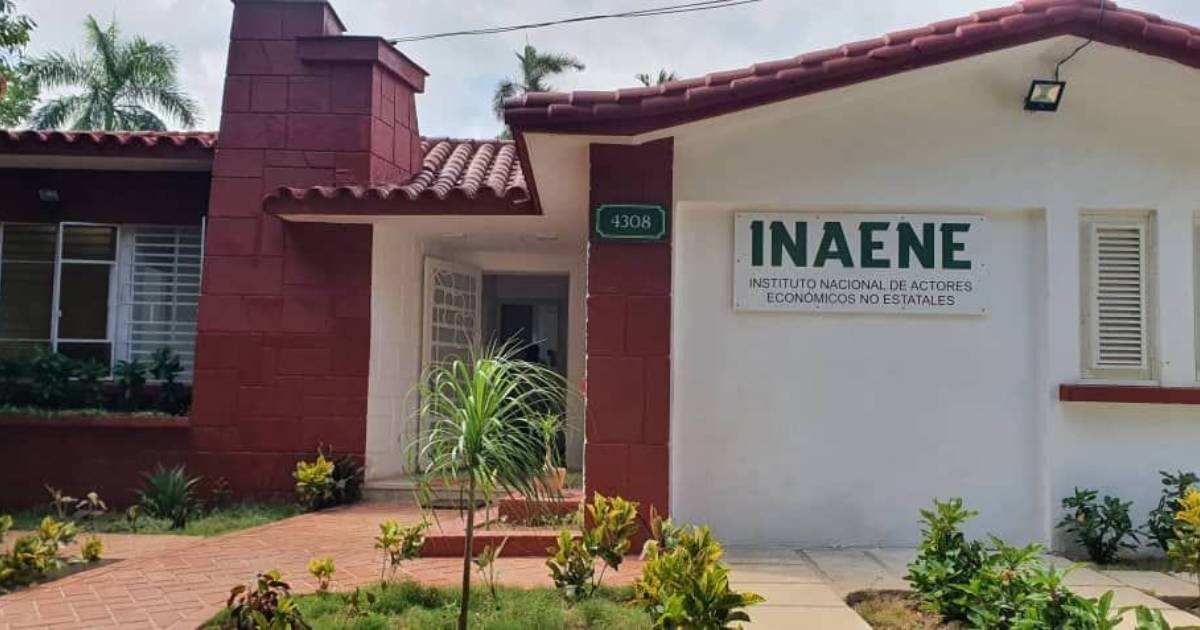
The National Institute of Non-State Economic Actors unveiled Resolution 2/2026 this Wednesday, outlining the revised process for creating, merging, splitting, and dissolving micro, small, and medium enterprises (MSMEs), private companies with over 100 employees, and non-agricultural cooperatives (CNA) in Cuba.
Published in the Official Gazette No. 71 of 2026, the regulation mandates that processes be conducted digitally via the Economic Actors Platform, with a manual procedure as a backup during extended blackouts or connectivity issues that hinder system access.
Resolution 2/2026 is a response to Decree-Law 133 from August 19, 2026, which altered the legal frameworks governing MSMEs, non-agricultural cooperatives, and self-employment, tasking the Institute with adapting the necessary procedures.
Digital Transformation in Business Formation
A key element of the legislation is the digitization of the application process. As stated in Article 2, "The procedures for establishing micro, small, and medium enterprises, private companies with more than one hundred employees, and non-agricultural cooperatives are conducted digitally through the Economic Actors Platform."
This platform will also serve as a centralized digital dossier, gathering documents submitted by applicants and those issued later by involved institutions. The system will forward the dossier to the Ministry of Justice, financial institutions, the National Office of Tax Administration (ONAT), authorities in heritage cities where applicable, and other relevant organizations.
Approval Process and Timelines
The Municipal Development Directorate within the Municipal Administration Council will handle application receipt and processing. Prospective founding partners must designate a representative to manage the dossier, including personal information about partners, main economic activities, planned activities, social address, establishments, workforce size, a written statement regarding criminal records, and a draft of the statutes.
Documentation errors or missing information can lead to application suspension, prompting applicants to receive notifications for rectifications. The resolution specifies that applications will be denied if partners are "repeat offenders with outstanding debts in fiscal or banking compliance."
In such cases, a new application will undergo "rigorous verification" to prove debt clearance or renegotiation. The Municipal Development Directorate has a 20-business-day window to approve or reject applications. Approved applications will receive a digital signature on the document certifying establishment and its social purpose.
Additional Authorizations and Contingency Plans
Businesses and cooperatives intending to operate in prioritized conservation areas must secure authorization from the Historian or Conservator offices of heritage cities. Operations within the Mariel Special Development Zone require prior authorization from its Office, managed by the Municipal Development Directorates of Artemisa, Bauta, Caimito, Mariel, Bahía Honda, and Guanajay.
Despite the emphasis on digital procedures, the resolution accounts for energy crises or Internet issues by allowing Municipal Administration Councils to provisionally authorize manual validation and approval of applications. These manual records must later be updated on the platform once connectivity is restored.
Financial and Legal Steps Post-Approval
Upon approval, the platform will alert financial institutions to open a deposit account for receiving the social capital. Once the account number is visible on the platform, partners have five business days to make their contributions. The bank will then issue a digital certificate of deposit, adding it to the dossier.
This process aligns with the Central Bank of Cuba's Resolution 98/2026, also released this Wednesday, regulating monetary contributions and subsequent account openings for these economic actors.
Finalizing the Business Entity
Business creation doesn't conclude with municipal approval. The digital dossier is forwarded to provincial Justice departments for assignment to a notary within the entity's registered location, occurring within one business day of receipt.
Applicants may choose their notary, provided the office is situated at the company's registered location. The public deed must be authorized within 20 business days from notary receipt of the dossier. Once formalized, the notary sends an electronic copy of the deed with a certified digital signature to the Commercial Registry, which then has 15 business days to issue an enrollment certificate, added to the digital dossier and shared with participating institutions, the National Statistics and Information Office, and the Central Commercial Registry.
ONAT has an additional 10 business days to register the new entity or cooperative in the Taxpayer Registry. Upon completing this process, the tax entity provides the necessary documents to the new economic actor and sends bank registration information via the platform. The bank then notifies partners of the contract signing date for the current account.
Existing Businesses and Licenses
The resolution differentiates between newly established businesses and those evolving from pre-existing entities, including self-employed workers. These businesses can maintain their existing licenses and permits if they continue their current activities.
Subsequent changes require a new Municipal Development Directorate authorization to alter the social purpose or address, create new establishments, transform a CNA into a company, transition from micro, small, or medium enterprise categories to a private company exceeding 100 employees, or engage in mergers or splits. The municipal authority has 10 business days to approve or deny modifications.
Even changes not needing municipal authorization must be processed digitally via the platform's "Other Procedures" section, handled by relevant institutions. A significant point is that organizational restructuring will not absolve previous obligations. MSMEs, private companies with over 100 employees, and CNAs transformed through mergers or splits must assume "the debts and obligations of their originating business."
Resolution 2/2026 is part of the Cuban government's broader package of 176 economic reforms announced in June, including the introduction of private companies with over 100 employees. MSMEs are now segmented into microenterprises (1-10 workers), small enterprises (11-35 workers), and medium enterprises (36-100 workers).
The new framework also permits individuals to be partners in multiple MSMEs or private companies, removing previous constraints on the sector. Resolution 2/2026 will be effective September 9, seven days after its publication in the Official Gazette.
FAQs on Cuba's New Business Regulations
How does the new digital platform work for business registration in Cuba?
The digital platform centralizes the submission and processing of documents for business registration. It serves as a digital dossier where applicants upload required documents, which are then shared with relevant institutions like the Ministry of Justice and financial bodies.
What happens if there are connectivity issues during the registration process?
In cases of prolonged power outages or Internet connectivity problems, the resolution allows for a manual processing of applications. These records must be updated on the digital platform once services resume.
What additional authorizations might be required for businesses in specific areas?
Businesses intending to operate in prioritized conservation zones need authorization from local Historian or Conservator offices. Operations in the Mariel Special Development Zone require prior approval from its Office.