Health officials in Las Tunas have confirmed the presence of dengue serotype 4 in the region, with children, the elderly, pregnant women, and individuals with underlying health conditions identified as the most vulnerable to severe complications.
On Wednesday, the state-run newspaper, Periódico 26, reported that Dr. Yumara Acosta García, the director of the Provincial Center for Hygiene, Epidemiology, and Microbiology, verified that dengue type 4 is currently prevalent in the area.
Dr. Acosta emphasized that this serotype presents "greater clinical complexity" and mentioned that confirmed cases are sent to the Pedro Kourí Institute of Tropical Medicine (IPK) in Havana for quality control and virus typing.
Increased Alert and Preventive Measures
Authorities have urged the public to take symptoms seriously. "If you experience joint pain, muscle pain, headaches, or fever, see a doctor to promptly identify cases and prevent further complications in this particular area," advised Acosta.
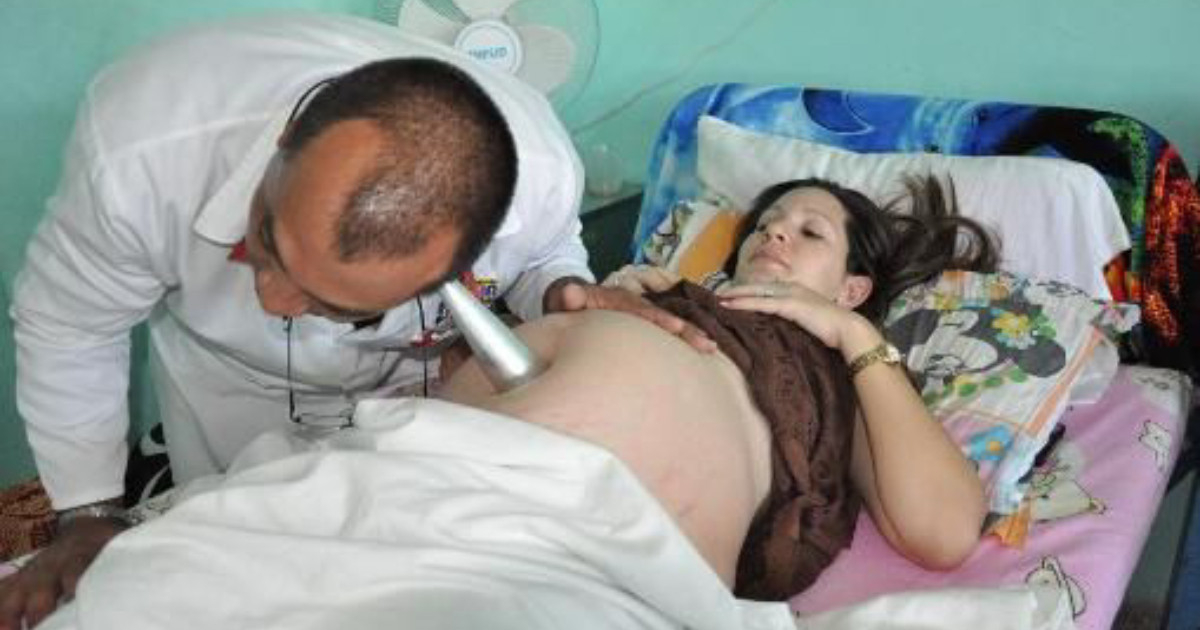
The focus is particularly strong on children, the elderly, those with comorbid conditions, and pregnant women, as well as individuals linked to the Maternal and Child Care Program, all considered high-risk for potential complications.
Sanitary Offensive and Inspections
The confirmation of serotype 4 has prompted provincial authorities to launch a "sanitary offensive," conducting state inspections in workplaces and educational institutions. Workplaces are deemed "sentinels" due to the large number of people they gather.
Inspections target the elimination of potential breeding grounds for the Aedes aegypti mosquito and ensure proper coverage of water storage containers.
"Our focus from vector control is to prevent the spread of the vector and, consequently, the transmission of the disease from our workers to the broader community," explained the director.
Background of Epidemiological Challenges
Las Tunas previously faced significant epidemiological challenges. Last November, the province initiated a fumigation campaign in response to rising cases of fever, dengue, and chikungunya, prioritizing areas like Las Tunas, Puerto Padre, Majibacoa, and Jobabo, which had the highest incidence of suspected cases.
This current alert is not isolated within the country. In June, the Ministry of Public Health warned of the risk of a new dengue epidemic, acknowledging that all four virus serotypes were circulating simultaneously in Cuba. Deputy Minister Carilda Peña noted that the dominance of any serotype could trigger localized outbreaks and, without proper measures, lead to an epidemic.
More recently, the situation has also raised alarms in Guantánamo. In mid-August, officials acknowledged an increase in Aedes aegypti mosquitoes and challenges in detecting febrile cases. Serotypes 2, 3, and 4 were confirmed in that province, with several municipalities facing particularly concerning epidemiological situations.
Understanding Dengue Type 4 and Its Impact in Cuba
What is dengue serotype 4?
Dengue serotype 4 is one of the four variations of the dengue virus, each capable of causing dengue fever. Infection with one serotype provides immunity against that serotype but not the others, making subsequent infections potentially more severe.
Why are children and the elderly more at risk?
Children and the elderly have weaker immune systems, making them more susceptible to severe complications from dengue infections, including dengue hemorrhagic fever and dengue shock syndrome.
How is Cuba managing the dengue outbreak?
Cuba is implementing sanitary measures including state inspections to eliminate mosquito breeding grounds, focusing on high-risk areas, and ensuring rapid identification and treatment of suspected cases to control the outbreak.