On Wednesday, Chevron, the prominent American oil company, announced its intention to significantly expand its operations in Venezuela, committing to invest over $7 billion within the next five years.
The company's objective is to more than double its current production levels, aiming for approximately 600,000 barrels per day, as confirmed by a statement released through the Associated Press.
The statement detailed that Chevron has been granted additional territories in the Orinoco Belt, where it already operates through its joint ventures Petroindependencia, Petropiar, and Petroboscan.
Chevron's CEO, Mike Wirth, expressed optimism about the expansion, highlighting the company's long-standing relationship with Venezuela: "Chevron's history in Venezuela spans over a century, and our expanded presence underscores our belief in the country's vast resource potential and its ability to attract investment within our portfolio for decades to come."
He added, "With improved conditions and additional acreage, we are enhancing a portfolio that we believe can deliver attractive low-cost oil production growth, bolster energy supply, and create long-term differentiated value."
This announcement coincides with the visit of U.S. Energy Secretary Chris Wright to Caracas, who arrived to participate in the formal signing of the new contract. Upon landing in Maiquetía, Wright stated, "We want to see significant U.S. investment in Venezuela to enhance opportunities and prosperity for Venezuelans, Americans, and energy consumers."
The U.S. delegation was welcomed by Venezuelan Hydrocarbons Minister Paula Henao and U.S. Charge d'Affaires in Venezuela John Barrett.
Just days earlier, former President Donald Trump introduced what he described as "the largest oil deal in history," a pact with private firm North American Blue Energy Partners (NABEP) granting 100-year concessions over 17 Venezuelan fields with proven reserves of approximately 65 billion barrels.
Chevron's expansion is separate from the NABEP mega-deal but aligns with Washington's broader strategy to revitalize the oil industry.
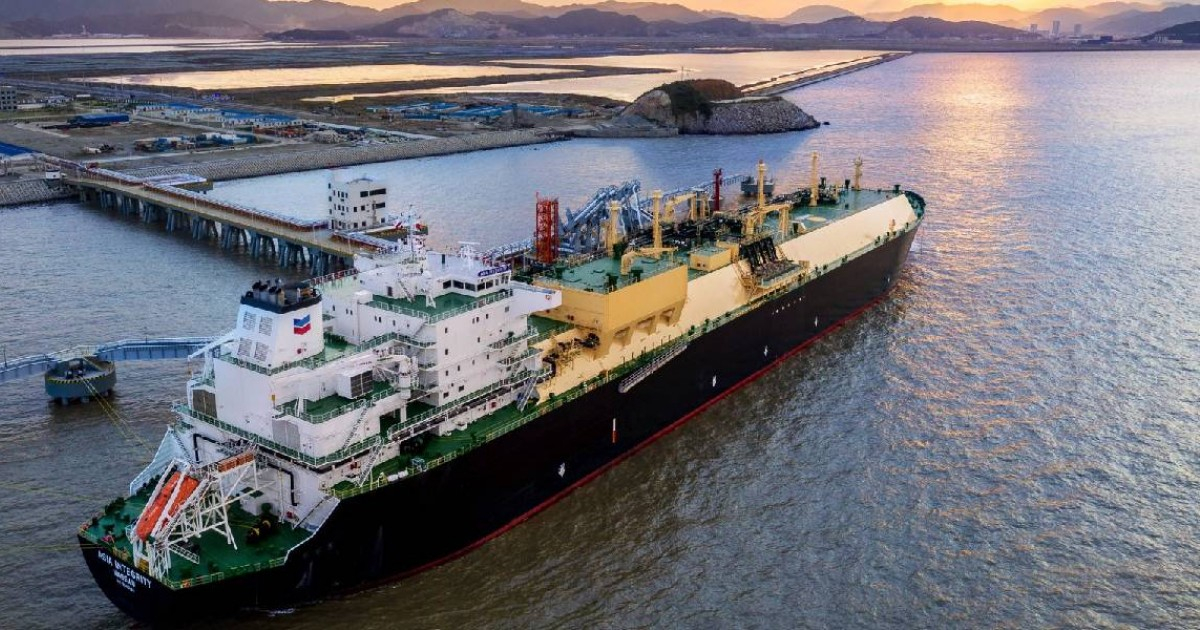
Chevron, the second-largest U.S. oil company and the only one with substantial operations in Venezuela, has been active in the country since 1923. The company's growth in the Andean nation has been steady: in January, it deployed a fleet of 11 tankers there, increased exports to 300,000 barrels per day in March, and signed agreements in April to raise its stake in Petroindependencia from 35.8% to 49%.
Venezuela holds the world's largest proven reserves—more than 303 billion barrels, according to OPEC—surpassing Saudi Arabia's 267 billion barrels.
Despite the optimism expressed by both parties, uncertainties remain. Analysts question whether acting President Delcy Rodríguez has the legal authority to grant 100-year concessions for the NABEP mega-deal fields and caution that revitalizing Venezuela's oil production could take years.
Wirth himself previously noted in April that any large-scale recovery of Venezuela's industry relies on the return of skilled workers who left the country, a challenge that no single agreement can address alone.
Chevron's Expansion Plans in Venezuela: Key Questions Answered
What is Chevron's goal for oil production in Venezuela?
Chevron aims to more than double its oil production in Venezuela, targeting approximately 600,000 barrels per day.
How does Chevron's expansion relate to the NABEP mega-deal?
Chevron's expansion operates independently from the NABEP mega-deal, although both align with Washington's strategy to reinvigorate the oil sector in Venezuela.
What challenges could impact the recovery of Venezuela's oil industry?
Revitalizing Venezuela's oil industry faces challenges such as the legal authority of concessions and the need for skilled workers who have emigrated from the country.