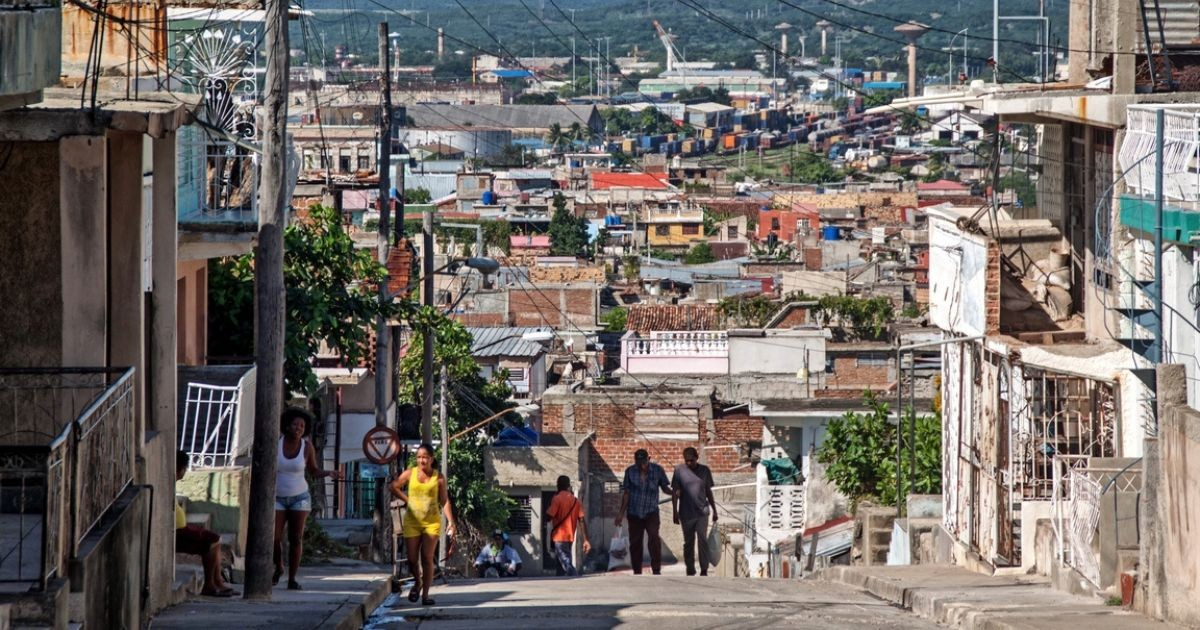
People living in the Trocha and Gasómetro areas of Santiago de Cuba have raised alarms about a surge in nighttime robberies, creating a climate of fear for those traveling through these city streets after dark.
Independent journalist Yosmany Mayeta Labrada brought attention to this situation via a Facebook post, sharing firsthand accounts from affected residents.
The warning, shared through WhatsApp and posted with a screenshot, leaves no room for doubt: "Tell everyone to be extremely careful in Trocha and the Gasómetro area, as there have been numerous assaults reported there."
Mayeta Labrada reports that multiple residents have repeatedly heard desperate cries for help during the early hours, suggesting incidents of robbery.
Santiago's Safety Concerns Grow
The issue demands attention. Anyone traveling through Trocha, Gasómetro, and nearby streets during late hours should exercise extreme caution, particularly in poorly lit or less populated areas, he advised.
The Cuban government has remained silent, offering no official statement on this crisis or the increasing instances of vigilante justice occurring in the city.
In an effort to document these events, Mayeta Labrada has urged his followers to privately share their experiences or witness accounts of any assaults, providing details like the street, time, incident specifics, and whether they reported it to the police.
"Such information will help us understand the situation more clearly. A city should not normalize hearing cries for help in the dead of night," he concluded.
Pattern of Violence in Santiago
This alert is part of a broader trend of violent incidents in Santiago de Cuba, marking a continuous decline in public safety.
In mid-August, chaos erupted during the night in the Vista Hermosa area—adjacent to Trocha—with knife robberies, a police chase recovering two phones and a knife, and a micro-dump fire, all occurring within hours.
During the same period, a young man was attacked with a machete in an attempted motorbike theft in the José Martí district. Police response was delayed by 30 minutes during a simultaneous gang-related shooting.
On August 8, a man threatened a pregnant woman with a knife inside a maternity ward to steal her belongings.
The Observatorio Cubano de Auditoría Ciudadana (OCAC) notes an unprecedented rise in crime in Cuba in 2025, with 2,833 verified incidents across the island, showing a 115% increase from 2024 and a 337% rise from 2023. Robberies were the most common crime, with 1,536 cases.
Santiago de Cuba ranked as the fourth most affected province, with 323 verified cases.
Additional data from Cubalex reports 37 homicides in July 2026, the highest monthly figure since monitoring began, including at least nine femicides.
Consequences of Economic and Institutional Collapse
The root causes of this crime wave include economic turmoil and the internal collapse of law enforcement, with 20% of police officers leaving the force in the past year. The regime's police apparatus traditionally prioritizes political repression over citizen protection.
Faced with institutional inaction, Santiago's residents have increasingly resorted to vigilante justice.
In February, residents of the Vista Hermosa neighborhood detained a suspected thief, waiting nearly 40 minutes for police arrival. In June, Chicharrones residents captured and restrained another suspect under similar conditions.
Understanding the Crime Surge in Santiago de Cuba
What areas in Santiago de Cuba are most affected by the robberies?
The Trocha and Gasómetro areas have been highlighted as major spots for these nighttime robberies.
How has the Cuban government responded to the increase in crime?
The Cuban government has not issued any significant official statements addressing the crime surge in Santiago de Cuba.
What are some of the incidents that have occurred in Santiago de Cuba recently?
Recent incidents include knife robberies, delayed police responses, and a threatening incident involving a pregnant woman in a maternity ward.
What role has vigilante justice played in Santiago de Cuba?
With institutional inaction, residents have increasingly taken justice into their own hands, detaining suspects themselves.