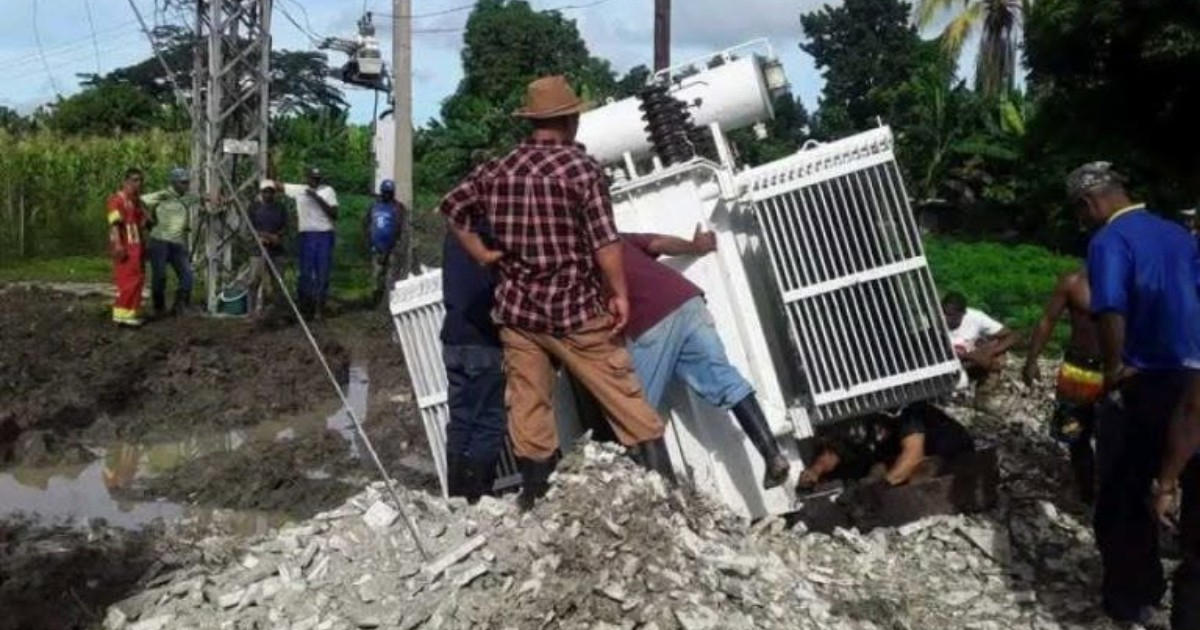
Santiago de Cuba has emerged as a hotspot for transformer oil theft, ranking among the top five provinces in Cuba affected by this crime. This illegal activity, which is being treated as sabotage by Cuban authorities, has left numerous communities in the dark for extended periods.
The General Prosecutor's Office of the Republic revealed this information on Monday, as reported by a government-affiliated profile in Santiago de Cuba. Other provinces grappling with similar issues include Matanzas, Ciego de Ávila, Mayabeque, and Artemisa, with Santiago de Cuba already having witnessed judicial proceedings related to such crimes.
Earlier this month, a man was sentenced to 12 years in prison for stealing 120 liters of dielectric oil in Contramaestre. The theft resulted in a 48-hour power outage affecting over 2,000 people in Bungo La Venta and nearby areas.
Public Outcry and Government Response
The release of these statistics sparked significant reactions from the residents of Santiago de Cuba. While some called for harsher penalties, including sentences ranging from 20 to 30 years or even life imprisonment for those damaging the electrical infrastructure, others criticized the authorities' vigilance and response.
A resident expressed frustration over the lack of action when thefts are reported to the police or the Electric Company, saying, "It's pointless to call them because they don't pay attention." Another local suggested increasing nighttime police patrols and reallocating fuel resources to bolster the surveillance of these facilities.
Impact of the Electrical Crisis
Testimonials about the effects of the electrical crisis in the city have surfaced. One user highlighted the plight of residents in tall buildings in the Garzón area, who are left without water, elevators, and landlines during blackouts, forcing some families to cook with wood. This situation poses severe challenges, especially for the sick and those living on upper floors.
A resident lamented, "In my neighborhood, the blackout lasts 24 to 26 hours." While some supported the convictions against those responsible for the thefts, they also questioned the broader energy crisis, with one user asking, "Who do we blame for this ongoing apocalypse?"
Legal and Safety Concerns
More than 300 reports of transformer oil theft have been filed in Cuba. Between 2025 and mid-2026, over 460 criminal investigations related to crimes against the National Electric System (SEN) were initiated, with more than 300 specifically concerning the theft of dielectric oil from transformers. These investigations also cover the theft of cables, wires, screws from electrical networks, and other damages to critical infrastructure.
The Prosecutor's Office warned of the extensive repercussions, including prolonged service disruptions affecting thousands of families and potential interruptions in water supply, communications, agricultural production, and other essential services. Some of the stolen oil is reportedly sold on the black market for use as fuel.
The risks associated with these thefts are grave. Some perpetrators have died attempting to steal components from energized installations. The institution highlighted the severe legal consequences for those prosecuted under these charges. Since May 2025, the Supreme People's Court has classified the theft, damage, or alteration of components of the electric system as sabotage, with penalties ranging from seven to 30 years in prison and, in extreme cases, life imprisonment or death.
In practice, 87% of those charged with these offenses have been held in provisional detention. All individuals tried in 2026 for crimes related to the SEN were convicted of sabotage, with most receiving sentences between nine and 20 years of imprisonment.
The Prosecutor's Office pledged to intensify preventive measures, surveillance, and the prosecution of these crimes, emphasizing that "there will be no impunity" for those who disrupt the National Electric System.
Understanding the Surge in Oil Theft and Its Implications
What is causing the increase in transformer oil theft in Cuba?
The increase in transformer oil theft in Cuba is primarily driven by economic hardships, leading individuals to steal and sell the oil on the informal market for use as fuel.
How are Cuban authorities responding to these thefts?
Cuban authorities are treating these thefts as acts of sabotage, with severe penalties including lengthy prison sentences, life imprisonment, or even death, depending on the severity of the crime.
What are the broader implications of these thefts for Cuban society?
These thefts result in prolonged electrical outages, affecting essential services like water supply and communication, and exacerbate the existing economic and social challenges faced by Cuban communities.