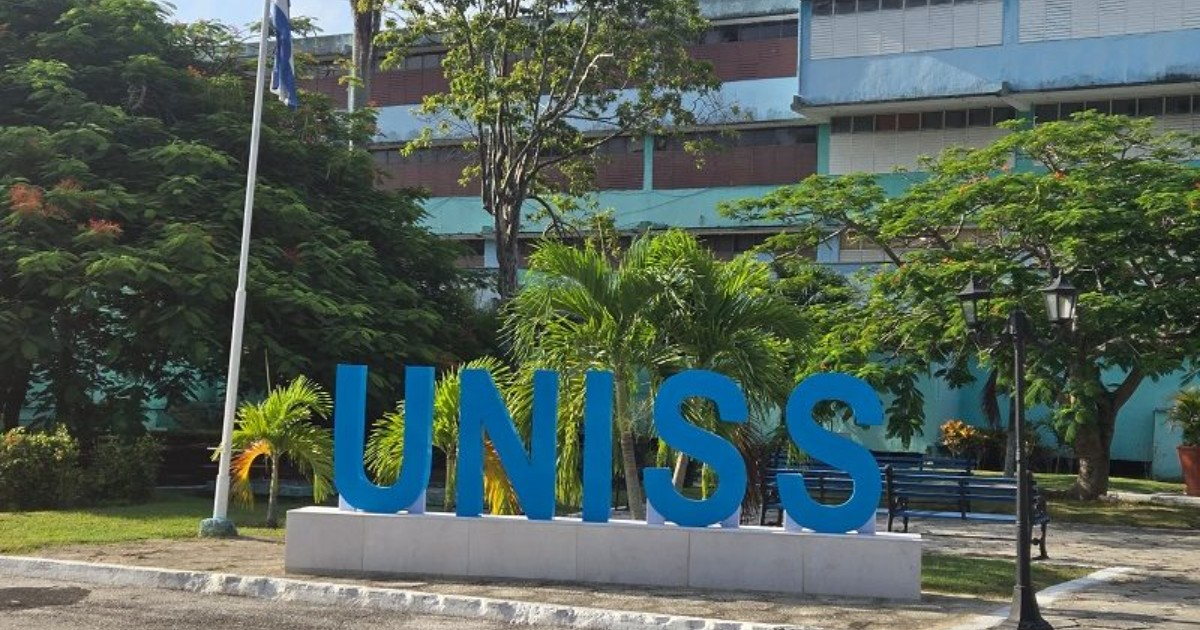
The University of Sancti Spíritus José Martí Pérez (UNISS) is set to launch the new academic year with approximately 1,000 daytime students, adopting a primarily blended learning approach. This comes in the face of persistent power outages, connectivity issues, and transportation challenges that have raised concerns among students and their families.
On Monday, the state-run newspaper Escambray highlighted the obstacles that will characterize the upcoming school year, emphasizing the need for professors, students, and families to collaborate in achieving "the miracle of knowledge during these challenging times."
Surprisingly, the newspaper acknowledged the limitations of distance learning compared to traditional in-person classes, which goes against the usual official narrative. Although Cuba had previously adopted remote learning during the COVID-19 pandemic and again in the latter half of the previous school year, the results "can never match those achieved when students receive instruction directly from their teachers in the classroom."
The Ministry of Higher Education (MES) announced that academic processes for the new school year will be organized in a decentralized manner, with activities taking place in various regions.
The Academic Structure and Student Concerns
For UNISS and the Central University Marta Abreu of Las Villas, the first semester is structured so that students spend about a month on campus, with time distributed by year and specialization.
In Sancti Spíritus, students residing in the main municipality will continue to receive in-person instruction. Those living in other municipalities will attend the university for a concentrated week each month to receive intensive classes. During the remaining three weeks, these students will be involved with Municipal University Centers (CUM) and partner organizations for practical training and professional development.
This schedule will repeat monthly, ensuring four weeks of in-person attendance each semester. Programs for Higher Technicians and courses offered in a hybrid format will resume in-person meetings at least once a month for guidance and assessment, while distance learning courses will continue as usual. Postgraduate activities will also resume.
Escambray reported that students and parents expressed several concerns, noting that due to the economic crisis, many young people have started working, which may limit their study time or even lead them to abandon their studies. Additionally, they highlighted that power outages and connectivity issues "severely" hinder online learning, raising fears that graduates may end up with "significant gaps in their field knowledge."
Logistical Challenges and Support Measures
UNISS Rector Edelvy Bravo Amarante stated at a press conference that they are coordinating with local authorities to secure the necessary logistical support for in-person periods, including transportation arrangements for students. He also mentioned that students unable to attend in-person sessions can continue their education through virtual platforms.
First-year students will gather at the university during the second week of September, accumulating around 15 days of in-person attendance. During this period, they will undergo initial assessments and receive guidance on using virtual platforms to independently manage part of their academic content. The university plans to accommodate them in a residence with a stable power supply to maximize connectivity and access to digital resources throughout the course.
The institution currently employs over 500 full-time faculty members and collaborates with approximately 300 professionals from various entities to support university education. It also remains responsible for aiding students from Sancti Spíritus enrolled in regional and national programs at other universities.
Escambray concluded its analysis by acknowledging that the success of the academic period will heavily rely on the creativity and dedication of the faculty, as well as "the personal motivation and commitment of each student" and the "genuine and unwavering support of their families." It is through this combination of efforts, stated the newspaper, that professors, students, and families must strive to "achieve the miracle of knowledge during these trying times."
The reorganization of Cuba's university system has recent precedents. In February, the University of Havana temporarily shifted its programs to a blended format due to the energy and fuel crisis. However, just a month later, students staged a protest at the University of Havana's steps, expressing dissatisfaction with the conditions they faced while continuing their studies amid power outages and connectivity challenges.
This discontent spread to other faculties, and in June, medical students from various provinces voiced their concerns regarding academic processes amid issues with electricity, transportation, and academic organization. The crisis also prompted the government to suspend entrance exams for higher education for the 2026-2027 academic year, opting for alternative methods to organize university admissions.
The proposed model in Sancti Spíritus is not unique. Students in Santiago de Cuba will also begin their academic year with non-traditional attendance models.
Understanding the Challenges of Cuban Higher Education
Why is the University of Sancti Spíritus adopting a blended learning model?
The University of Sancti Spíritus is adopting a blended learning model due to ongoing power outages, connectivity issues, and transportation challenges that hinder regular in-person classes.
What concerns do students and parents have about the new academic structure?
Students and parents are concerned that economic hardships may force students to work, limiting their study time. They also worry that power and connectivity issues could impede online learning, potentially resulting in significant knowledge gaps for graduates.
How are logistical challenges being addressed for in-person classes?
The university is coordinating with local authorities to secure necessary resources, including transportation, for in-person classes. Students who cannot attend in person will continue their education through virtual platforms.