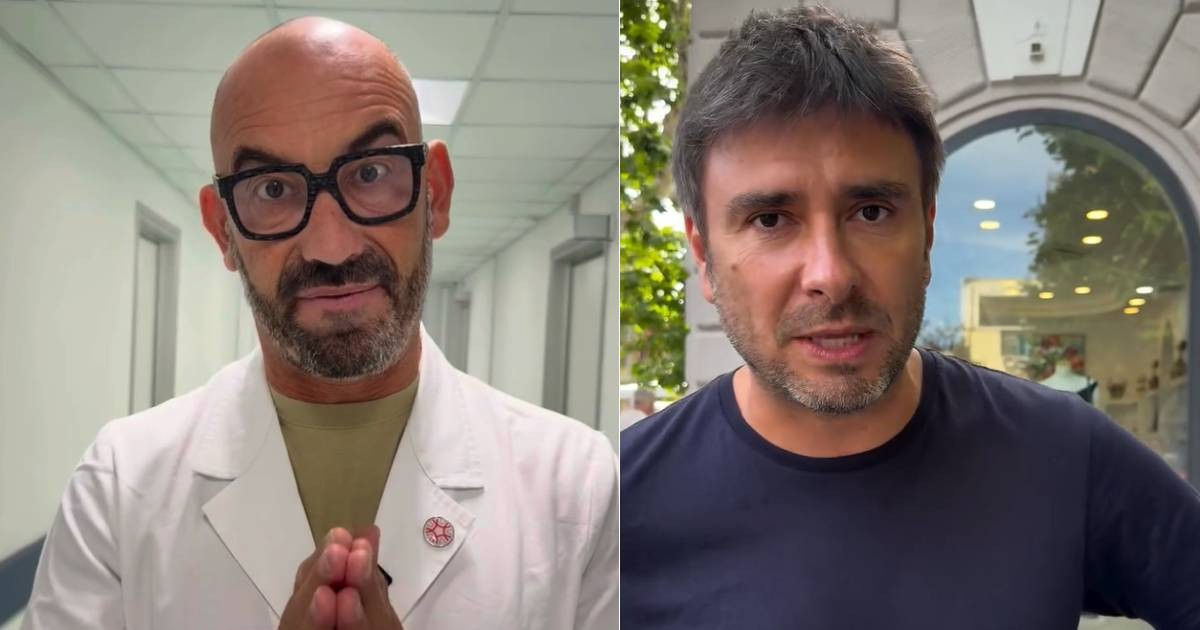
Esteemed Italian infectious disease expert Matteo Bassetti issued a stark warning on Monday about the dire state of Cuba's healthcare system, prompted by the critical health condition of former lawmaker Alessandro Di Battista, who has been hospitalized in Havana since August 28.
In a post on X, Bassetti, who heads the Infectious Diseases Clinic at Genoa's Policlinico San Martino, began by wishing Di Battista a speedy recovery. He used the occasion to spotlight the dire conditions facing Cuba's healthcare system.
Healthcare System in Crisis
"The healthcare system is currently in a deep crisis. There are shortages of medications, medical supplies, anesthetics, oxygen, and even essential energy resources," Bassetti emphasized.
While Bassetti noted that he is not a neurologist and refrained from diagnosing Di Battista, he emphasized the critical need for prompt response to symptoms that might indicate a stroke—one of the suspected conditions being discussed in Italian media. So far, no definitive diagnosis has been publicly disclosed.
Addressing the Causes Behind the Crisis
Bassetti also delved into the reasons behind Cuba's healthcare crisis. He partially attributed the decline to U.S. sanctions but made it clear that this does not absolve the Cuban authorities of their responsibility.
"This does not mean ignoring the responsibilities of the Cuban government and its economic and political decisions," he stressed.
At the same time, Bassetti argued that criticism of the current situation should not overshadow Cuba's historical achievements in specific public health areas, such as child vaccination.
"One can criticize the Cuban government without denying the historical accomplishments of Cuban healthcare," he noted.
Di Battista's Ongoing Struggle
Di Battista, 48, and a former member of the Five Star Movement (M5S), arrived in Cuba on August 22 to film the documentary series "La polvere del mondo" for Il Fatto Quotidiano. On August 28, while in Santa Clara, he experienced severe discomfort and lost consciousness. After receiving emergency care, he was transported by ambulance to Havana's Hermanos Ameijeiras Hospital, where he remains hospitalized.
His condition remained critical as of Monday, and doctors had not approved his return to Italy, despite a medical flight being prepared. Two specialists from Rome's Agostino Gemelli University Hospital traveled to Cuba to assist in his treatment.
Bassetti's remarks come as Cuba's healthcare system endures one of its worst crises in decades. In February, the then Minister of Public Health, José Ángel Portal Miranda, admitted to the Associated Press that the system was "on the brink of collapse."
By April, 461 out of 651 essential medications—over 70%—were unavailable, and by May, more than 100,000 patients were awaiting surgery, including around 12,000 children.
From his hospital bed, Di Battista has expressed gratitude for the outpouring of support.
"I will do everything possible to return soon," he wrote.
Bassetti concluded his message with words of encouragement for the former lawmaker: "Alessandro, stay strong. We genuinely hope you can return soon."
Understanding Cuba's Healthcare Challenges
What triggered Matteo Bassetti's comments on Cuba's healthcare system?
Matteo Bassetti commented on Cuba's healthcare system following the severe hospitalization of former Italian lawmaker Alessandro Di Battista in Havana.
What are some key issues facing Cuba's healthcare system?
Cuba's healthcare system is experiencing a severe crisis, with shortages in medications, medical supplies, anesthetics, oxygen, and essential energy resources.
How has the Cuban government responded to the healthcare crisis?
While the Cuban government has partly attributed the crisis to U.S. sanctions, Bassetti and other critics argue that the government's economic and political decisions are also to blame.