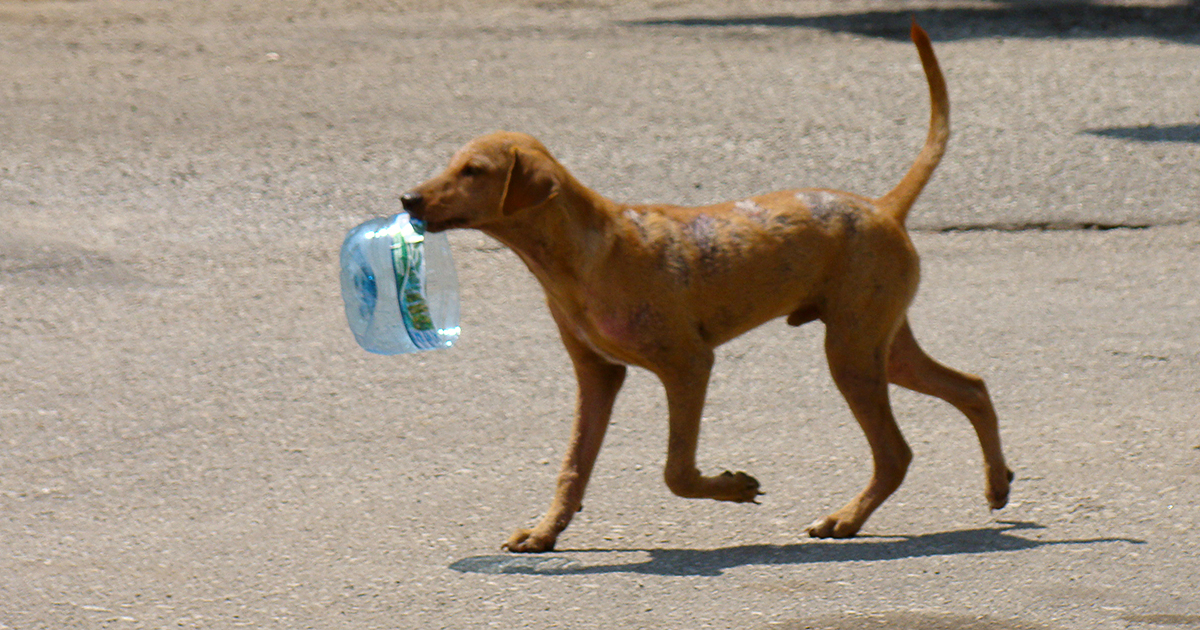
The ongoing economic and energy crisis in Cuba is not only impacting its people but is also taking a toll on animals and those who strive to rescue them. Animal shelters and rescuers are grappling with severe shortages of food, medicine, and water, while extended power outages complicate the storage of vaccines and other veterinary supplies.
A report by Reuters has highlighted the dire situation at Aldameros, a cat rescue center in Havana. The center struggles with limited water availability, receives only a couple of hours of electricity each day, and is burdened by rising costs due to inflation.
Gabriela Lopez, who manages the center, detailed how the power cuts have altered their feeding routines for the animals. Previously, they could store food for several days, but now they must operate on a daily basis as the blackouts make it impossible to keep food safe.
Challenges in Veterinary Care
Water supply issues add another layer of complexity. In an environment that requires constant hygiene, interruptions hinder daily operations and add to a growing list of shortages that, according to Lopez, escalate into a much larger problem.
Daniel Hernandez, a veterinarian based in Havana, shared with Reuters that clinics face challenges in preserving medicines and vaccines that need refrigeration. He emphasized that one of the biggest hurdles is ensuring a stable power supply to maintain the cold chain necessary for these pharmaceuticals.
Inflation and Reduced Donations
The economic crisis has also driven up food prices. As reported by Reuters, businesses that used to donate leftover fish and other items to shelters now sell them, forcing shelters to divert funds meant for other essentials toward purchasing food.
Additionally, donations linked to tourism have dwindled. Claudia Diaz, a volunteer coordinator for Cubanos en Defensa de los Animales (CEDA), explained that the decline in foreign visitors has resulted in the loss of a significant source of supplies and financial support. These contributions previously funded pest control campaigns, rescues, vaccinations, and aid for low-income individuals caring for animals.
Historical Context of the Crisis
The challenges faced by animal protectors are not new. In August 2025, the Associated Press (AP) documented the struggles of several animal rescuers in Havana amidst rising food and medicine prices, economic hardship, and increased emigration, all contributing to the surge in abandoned pets.
Although the state provided free vaccines, sterilizations, and some veterinary consultations, it lacked resources to offer shelter and food for stray animals. Many citizens had even transformed their homes and small apartments into makeshift shelters.
Maintaining a pet had become financially prohibitive for many Cubans. A 20-kilogram bag of dog food cost approximately 80 dollars, enough to feed one animal for about 45 days. Annual vaccines and a veterinary consultation were estimated to cost an additional 20 and 10 dollars, respectively.
Recent Incidents Highlighting Difficulties
The Aldameros Project exemplifies the extent of abandonment. A small group of volunteers initially fed 15 cats during the pandemic, and by 2025, they were caring for over 150. One volunteer mentioned to AP that while early in the decade they encountered about three abandoned cats per week, by 2025, they saw up to 15 in a single day.
Power outages, cash shortages, and expensive operations continue to plague shelters. In June, an animal rescuer in Mayabeque suffered burns while cooking with charcoal during a blackout exceeding 24 hours caused by a transformer explosion. Boiling water spilt over her hand, and without electricity or cold water, she sought help from neighbors.
Only four days later, another incident underscored how cash shortages directly affect shelters. Mileydis Suárez, who runs El Jardín de las Mascotas and cares for over 60 animals, reported being unable to buy liver for their food. Although she had cash, the store where she intended to purchase food did not accept bank transfers, and the microenterprise also refused her 20-peso bills. In desperation, she publicly appealed for cash donations to support the animals under her care.
Even the methods for receiving donations are compromised. In December 2025, BAC-Habana reported the freezing of its bank account, with the branch citing "too many transactions" as the reason.
Understanding the Animal Welfare Crisis in Cuba
How does the energy crisis affect animal shelters in Cuba?
The energy crisis leads to frequent power outages, which hinder shelters' ability to store food safely and maintain the refrigeration needed for veterinary supplies such as vaccines and medications.
Why have food costs increased in Cuban animal shelters?
Inflation has caused food prices to rise, and businesses that previously donated leftovers now sell them, forcing shelters to allocate more resources to food purchases.
What impact has the decline in tourism had on animal shelters in Cuba?
The reduction in foreign visitors has led to a decrease in donations, which were a crucial source of supplies and financial aid for animal shelters.