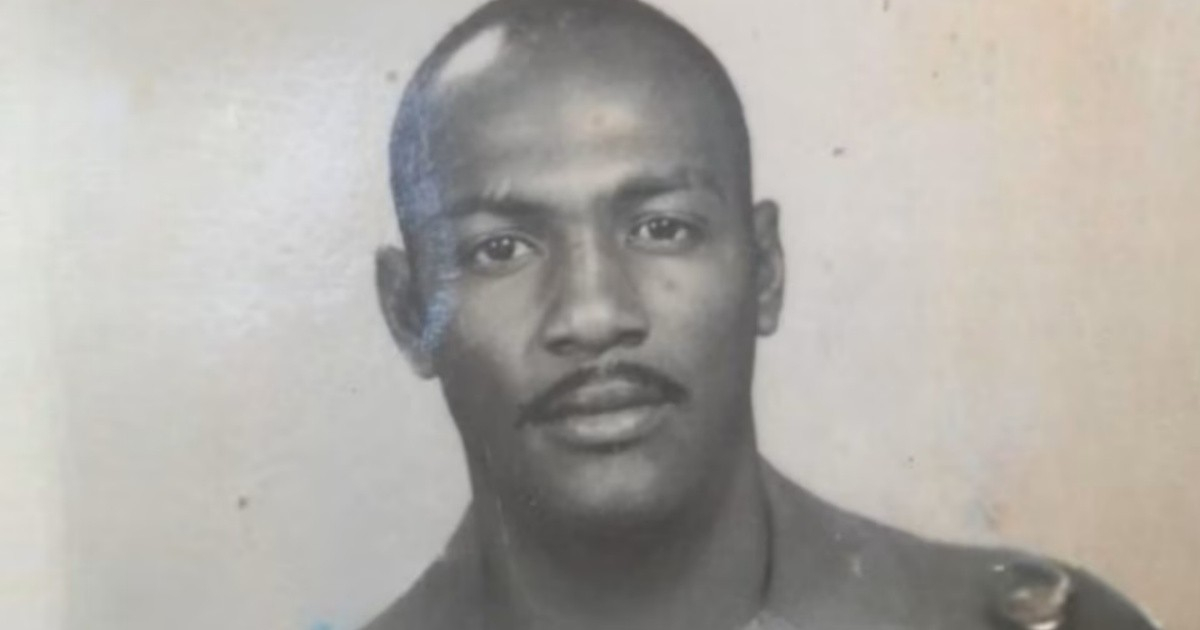
Political prisoner Ángel Serrano Hernández, who received a 14-year sentence for his involvement in the July 11, 2021 protests, has been transferred to 15-80 prison—known as "Pitirre," a maximum-security facility in Havana. This move comes after Serrano suffered a beating at the hands of guards and officers at La Lima correctional facility in Guanabacoa, Havana.
Details of the incident emerged from a clandestine letter sent by Serrano himself from the prison, in which he categorically disputes the version of events that State Security had previously communicated to his family.
Cuban Authorities' Justification
Cuban officials claimed that Serrano refused to follow a work order at the La Guayaba farm, left his position in front of the unit head to shout anti-regime slogans, and that his injuries—including a severely swollen eye—were self-inflicted by hitting himself against walls and punching himself in the face.
His nephew, Janry Serrano, refuted this account in statements to Martí Noticias, sharing what truly happened according to information from the prison.
The True Account According to Family
"He is being held incommunicado. We didn't know what really happened because we only had the political police's version. They struck him in the eye and abused him just for saying he didn't want to work there, as it's forced labor. My uncle is nearly 60 years old. He did start expressing his disagreement with this system and shouted phrases about what he thinks. Many people in Cuba feel the same way today," said Serrano.
The letter sent secretly from the prison confirms that the physical assaults came from the guards, not from himself, and that the trigger was his refusal to perform forced labor—citing his age nearing 60—and his verbal opposition to the regime during a roll call.
Ongoing Isolation and Repression
Serrano is currently isolated from the rest of the prison population in 15-80 prison, cut off from communication and without his family being able to independently verify his health condition.
This case falls within a well-documented pattern of repression against July 11th protesters, which includes beatings, solitary confinement, arbitrary transfers, and denial of medical care.
Serrano was incarcerated for his participation in the protests in the La Güinera neighborhood, one of the most violent epicenters of the July 11th events in Havana, where Diubis Laurencio Tejeda was killed and around 96 residents faced criminal charges.
Understanding the Repression of July 11th Protesters
What led to Ángel Serrano Hernández's transfer to a maximum-security prison?
Ángel Serrano Hernández was transferred to a maximum-security prison after allegedly being beaten by guards at La Lima correctional facility for refusing forced labor and expressing opposition to the regime.
Why is Serrano's case significant?
Serrano's case highlights the broader pattern of repression against July 11th protesters in Cuba, involving physical abuse, solitary confinement, and lack of access to medical care.
What were the official claims about Serrano's injuries?
The Cuban authorities claimed that Serrano's injuries were self-inflicted, alleging he caused them by hitting himself against walls and punching himself.