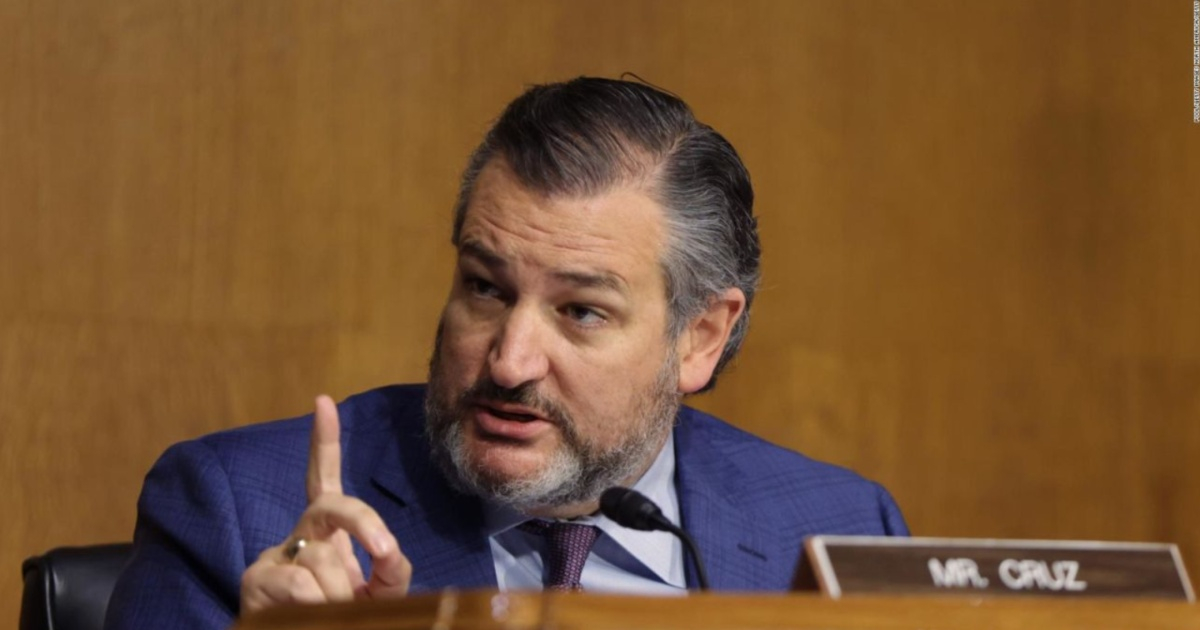
Republican Senator Ted Cruz called for democratic elections in Venezuela to be held no later than mid-2027 while also endorsing a historic oil agreement recently announced by President Donald Trump. Cruz made these remarks during an appearance on NBC News’ “Meet the Press.”
“It is essential for Venezuela to conduct democratic and free elections,” said the Texas legislator, who criticized interim President Delcy Rodríguez by reminding viewers of her previous role as Vice President under Nicolás Maduro, who was apprehended by U.S. forces this past January.
“Maduro was illegitimate and a Marxist. He had seized power against the will of the voters, and from the start, I have been urging—alongside the administration—to ensure free and fair elections are held,” Cruz stated.
The senator set mid-next year as the deadline for these elections, emphasizing that the Trump administration is actively working toward this goal.
Massive Oil Deal Sparks Debate
The senator's comments came just two days after Trump unveiled what he described as the largest oil deal in history between the U.S. and Venezuela. Under this agreement, American companies would gain majority control over more than 65,000 million barrels of proven Venezuelan reserves, accounting for nearly 21% of the country's total reserves.
This deal covers 17 strategic oil fields, involves a projected investment exceeding $100 billion, spans 25 years, and aims for a production target of over 1.5 million barrels daily.
Cruz lauded the agreement, claiming that its implementation could have a “very positive” impact on the U.S. economy, job market, and long-term gasoline prices.
Parallel Paths for Political and Economic Progress
The senator emphasized that the oil deal and the electoral process should progress simultaneously, ensuring that neither obstructs the other. “I believe it doesn't matter which happens first. The oil agreement should move forward as quickly as possible, but free and fair elections must also be conducted swiftly,” he asserted.
This stance aligns with Cruz's recent advocacy for Venezuela, where he and Democratic Senator Jeanne Shaheen pushed a bipartisan Senate resolution in early August. This resolution called for a political transition in Venezuela through free elections, the release of political prisoners, and the involvement of all political figures, including María Corina Machado.
The oil deal has prompted mixed reactions: Chavista factions protested in Caracas, while legislators like María Elvira Salazar publicly criticized it. Meanwhile, Trump stated that a portion of Venezuelan crude would be used to replenish the U.S. Strategic Petroleum Reserve, which is at its lowest level in over four decades.
Back in March, Cruz had predicted potential government changes in Venezuela, Cuba, and Iran within six months, attributing this scenario to the strength of the Trump administration.
Key Questions About the U.S.-Venezuela Oil Agreement
What is the timeline for the proposed Venezuelan elections?
Senator Ted Cruz has called for democratic elections in Venezuela to occur no later than mid-2027.
How does the U.S.-Venezuela oil deal impact the American economy?
The oil deal is expected to positively affect the U.S. economy by potentially boosting job creation and stabilizing long-term gasoline prices.
What are the main criticisms of the oil agreement?
Critics, including some legislators, have raised concerns about the implications of the U.S. gaining control over Venezuelan oil reserves and the deal's potential impact on Venezuelan sovereignty.