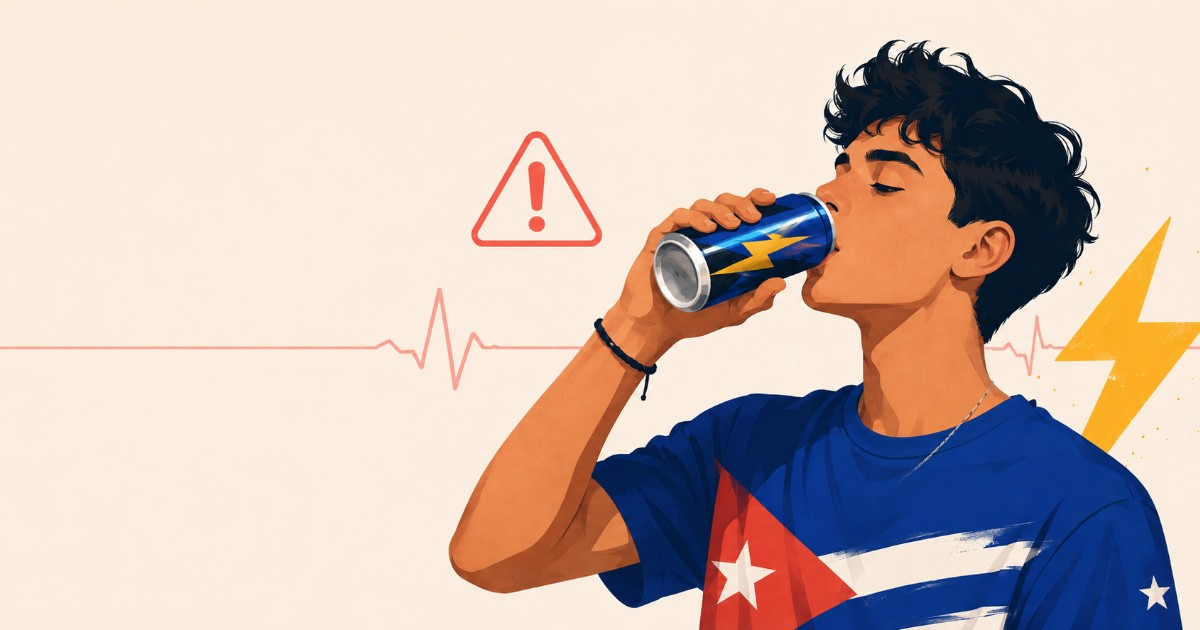
A Cuban doctor has issued a stark warning about the consumption of Shaka, a popular drink among young people on the island that mixes alcohol and stimulants. The doctor cautions that regular consumption could lead to serious cardiovascular and neurological issues.
This warning was shared by Juventud Rebelde on Saturday, featuring insights from Dr. Julio César Hernández Perera, a Second Degree Specialist in Internal Medicine and a full professor at the University of Medical Sciences of Havana. He is also a full member of the Cuban Academy of Sciences.
"I want to emphasize that nearly half of the young people who habitually consume these drinks are engaging in a game of Russian roulette with their hearts, and one in three is jeopardizing their mental health," Hernández stated.
The expert explained that the term "energy drink" can often mislead consumers about the true nature of these products. He specifically warned about the dangers of mixing stimulants with alcohol, as seen with Shaka Mixer Energy-Vodka.
"When this combination involves alcohol, as with the well-known Shaka Mixer, the risk is amplified. It masks alcohol intoxication, leading to a false sense of alertness that can result in medical emergencies," he noted.
Shaka Mixer Energy-Vodka is sold in 250-milliliter cans, containing 18% alcohol, and blends vodka with sugar, vitamins, taurine, and caffeine. The drink is available in various flavors, including strawberry, coconut, apple, and mixed fruits.
Hernández highlighted potential effects of excessive stimulant intake, such as tremors, dizziness, migraines, chest pain, palpitations, fainting, sleep disturbances, and daytime fatigue.
He further asserted that scientific evidence suggests nearly 45% of regular consumers experience acute cardiovascular issues like hypertension, tachycardia, and other arrhythmias, while approximately 33% face neuropsychological problems, including anxiety, panic, and hallucinations. The article, however, does not specify the studies or publications from which these percentages are derived.
The doctor also warned of a possible cycle of repeated consumption: poor sleep leads to fatigue, prompting young people to consume these drinks again to stay energized.
"The best choice is to completely avoid these drinks," Hernández advised, emphasizing that doctors recommend zero consumption for those under 12 and strict limitation for ages 12 to 18.
Hernández concluded his warning by urging people not to be swayed by marketing: "Don't buy the label, buy the evidence."
For the specialist, the perceived energy from these drinks does not translate to real benefits for the body, especially for teenagers and young adults.
The state newspaper's report also included a survey conducted in Havana with 50 young adults aged 18 to 28, 30 of whom were men. Some admitted to drinking Shaka due to peer pressure, fashion, or simply out of curiosity.
One account came from David Alejandro Martínez, a 23-year-old who recalled consuming six cans during a gathering with friends, which resulted in severe tachycardia, dizziness, and a sleepless night.
"My heart started pounding like a wild punch," Martínez recounted, adding that he decided never to drink it again after that experience.
This new caution follows reports of five young people aged 18 to 22 being treated for Shaka-related intoxications in a Sancti Spíritus hospital in August. Four exhibited symptoms like headaches, vomiting, sweating, and tachycardia, while one young woman arrived in a coma and required mechanical ventilation for 24 hours.
Concerns are not new; earlier in August, public health authorities had already warned about Shaka's growing popularity among Cuban teens and young adults, citing potential effects like palpitations, increased blood pressure, anxiety, tremors, irritability, and insomnia.
Understanding the Risks of Shaka Drink
What are the main health concerns associated with Shaka consumption?
Shaka consumption is linked to serious cardiovascular and neurological issues, including hypertension, tachycardia, arrhythmias, anxiety, panic, and hallucinations.
Why is mixing Shaka with alcohol particularly risky?
The combination of stimulants and alcohol in Shaka can mask alcohol intoxication, leading to a false sense of alertness and increasing the risk of medical emergencies.
What recommendations do experts give regarding Shaka consumption?
Experts advise complete avoidance of Shaka for those under 12 and strict limitation for those between 12 and 18 years old.