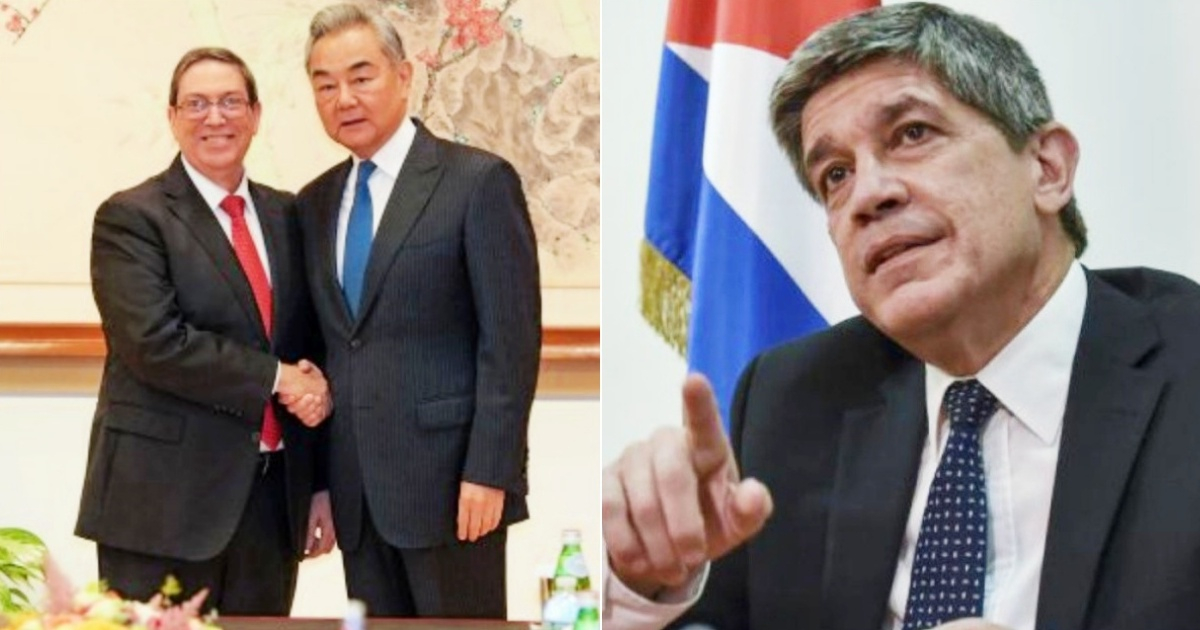
On August 26, Cuban Deputy Foreign Minister Carlos Fernández de Cossío took to X to dismiss allegations of Chinese intelligence installations on the island. This comes as the United States ramps up pressure on Cuba, showing no signs of easing.
De Cossío's response targeted an opinion piece by analyst Gordon G. Chang in The Hill, urging Washington to act swiftly to prevent Beijing from becoming Havana's lifeline.
Official Denial from Havana
In a statement on X, de Cossío accused the U.S. government of spreading lies about Cuba, referring to Chang as "another liar" for publishing what he called baseless claims of foreign military bases in Cuba.
While de Cossío refuted the existence of such bases, the debate centers not on conventional military facilities but on signal intelligence gathering posts, as Chang's article clearly delineates.
A user's comment encapsulated widespread skepticism: "They also denied Cuban military presence in Venezuela."
Insights from Reports
Chang's article cites a July 2026 State Department report titled Cuba: The Capital of 21st Century Communism, suggesting China actively operates three out of 18 known signal intelligence installations in Cuba, posing a significant threat to U.S. military operational security.
The Center for Strategic and International Studies (CSIS) identified four sites related to this activity by 2024: Bejucal, the largest near Lourdes west of Havana; Wajay; Calabazar; and El Salao. By June 2026, CSIS confirmed that a large antenna at Bejucal had been completed and was likely operational.
Escalating Washington's Response
On August 6, Secretary of State Marco Rubio announced sanctions against Cuba's military representative in China, Waldo Pérez Cortés, and others, including entities like Tecnoimport and Duna S.A., for facilitating military equipment acquisitions from Beijing.
Rubio was clear: "The United States will not tolerate a rogue state hosting hostile military, intelligence, and terrorist operations at our doorstep." Since January 2026, the Trump administration has imposed over 240 new sanctions on Cuba.
Retired U.S. Air Force General Blaine Holt, quoted by Chang, advocates even more aggressive measures: "Take actions that cut off the lifeline for Chinese personnel in Cuba, such as restricting flights to and from the island."
China's Strengthened Support for Cuba
Despite the sanctions, Beijing has bolstered its support. Following the August sanctions, the Chinese ambassador in Havana announced the delivery of an additional 5,000 solar panels to the island. By early 2026, China had pledged $80 million and up to 90,000 tons of rice to the Cuban regime.
Chinese Foreign Ministry spokesperson Guo Jiakun dismissed Washington's accusations, stating, "The cooperation between China and Cuba is legitimate and transparent."
Congressional Call for Action
Meanwhile, the State Department shared a piece by New York Republican Congresswoman Nicole Malliotakis on X, demanding a firm response to what she calls Havana's "malign influence," citing cases like Ana Belén Montes and Victor Manuel Rocha, both convicted in the U.S. for secretly working for the Cuban regime.
The State Department report describes Cuba as the intersection of Moscow, Beijing, and Tehran's ambitions, with The Hill's columnist warning of the security risk this convergence poses to the U.S., urging action before China solidifies its position in Cuba.
FAQs on China's Involvement in Cuba
What did Carlos Fernández de Cossío say about the allegations?
Carlos Fernández de Cossío dismissed the allegations as lies and accused the U.S. of spreading false claims about Chinese military bases in Cuba.
What are the implications of the State Department's report on Cuba?
The report suggests that China's presence in Cuba, through signal intelligence installations, poses a significant threat to U.S. military security.
How has China responded to U.S. sanctions against Cuba?
China has increased its support to Cuba, providing solar panels and financial aid, while dismissing U.S. accusations as unfounded.