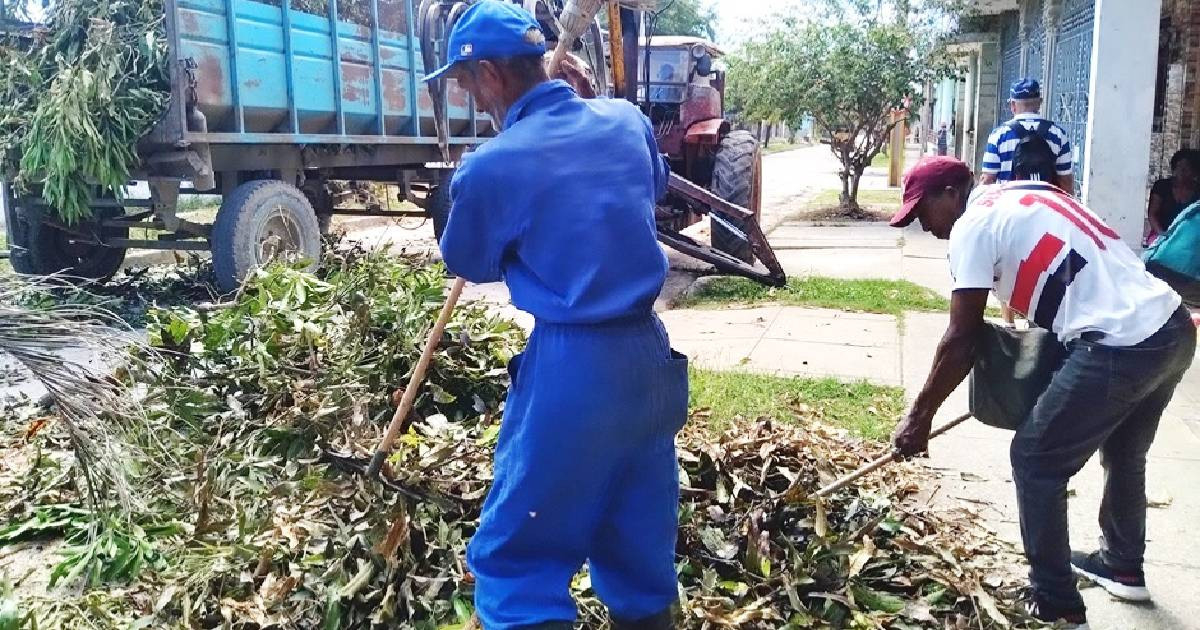
Guantánamo is grappling with an escalating waste crisis as the city, along with several municipal centers, remains under a Health Alert due to the spread of dengue and other disease vectors. This pressing issue dominated recent operational meetings in the province.
Yoel Pérez García, the first secretary of the Communist Party in the region, emphasized that the responsibility of waste collection should not solely fall on communal services. "The task of solid waste collection should involve all organizations, entities, mass organizations, community factors, and public participation," he stated, according to the official newspaper Venceremos.
Adding urgency to the matter, Vice Governor Carlos Raúl Martínez Turro pointed out that the school year is about to commence. Many of these waste sites are alarmingly close to daycare centers, primary schools, and other educational institutions, posing a direct health threat to children and educators.
Historical Waste Accumulation in Guantánamo
The issue of waste buildup is not new in Guantánamo. Reports from 2023 showed that the city was generating approximately 1,200 cubic meters of waste daily, yet only 400 to 600 cubic meters were being collected. This persistent gap has led to the formation of makeshift dumps that authorities have struggled to eradicate over the years.
By 2026, the crisis had worsened. Recent fuel shortages have immobilized garbage trucks, forcing authorities to rely on manual carts and animal-drawn vehicles to maintain some level of service. In June, residents reported a massive dump in the city center, teeming with rodents and insects, and expressed frustration over the authorities' lack of response.
Health Risks and Epidemic Threats
These dumpsites are breeding grounds for the Aedes aegypti mosquito, the primary transmitter of dengue fever. By the end of July, Guantánamo had reported 23 suspected dengue cases, with Imías and San Antonio del Sur municipalities placed on Alert within Cuba's endemic channel.
By mid-August, authorities acknowledged a worsening situation, marked by an increase in Aedes aegypti populations and deficiencies in detecting febrile cases. Municipalities including Guantánamo, Caimanera, San Antonio del Sur, El Salvador, and Niceto Pérez were identified as the hardest hit.
National Picture of a Growing Crisis
This situation is part of a broader national crisis. Cuba ended 2025 with over 81,900 dengue and chikungunya cases, resulting in at least 65 deaths, according to the Pan American Health Organization. In June, Deputy Minister of Public Health, Carilda Peña, publicly warned, "If we don't take substantial actions, we could face an epidemic."
Guantánamo is not alone in this predicament. The deterioration of communal services due to fuel and resource shortages has led to similar issues in Pinar del Río, Holguín, Las Tunas, and Matanzas, where overflowing dumps have become a regular feature of the urban landscape.
Understanding Guantánamo's Waste Management Crisis
What are the main health risks associated with the waste crisis in Guantánamo?
The primary health risk is the proliferation of the Aedes aegypti mosquito, which spreads dengue fever. Additionally, the close proximity of waste sites to schools and daycare centers poses direct health threats to children and educators.
How has the waste situation in Guantánamo worsened over the years?
The waste crisis has intensified due to chronic under-collection of waste and recent fuel shortages, which have halted garbage truck operations, leading to increased reliance on manual and animal-driven waste collection methods.
Which other Cuban provinces are facing similar waste management challenges?
Provinces like Pinar del Río, Holguín, Las Tunas, and Matanzas are experiencing similar waste management issues, with overflowing dumps becoming a common sight due to the deterioration of communal services.