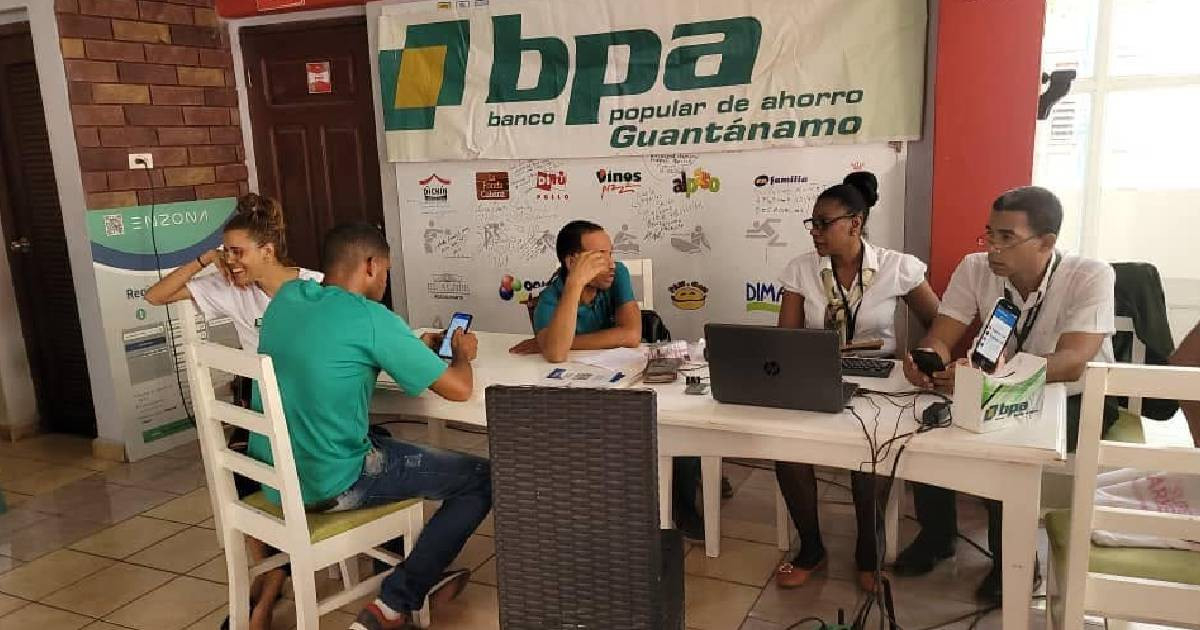
In a sweeping enforcement action, the Municipal Administration Council in Guantánamo levied fines against 29 private businesses in a single day of inspections, totaling 198,360 Cuban pesos, according to a report from the municipal authority on social media.
Out of 51 economic entities inspected during the operation, 29 were found to have committed violations, as stated in the official release.
Regulatory Framework and Penalties
The penalties were applied under three different legal frameworks: 17 fines under Decree 30 for price policy violations, amounting to 94,000 pesos; 11 fines under Decree-Law 91, targeting infractions by self-employed individuals, small and medium enterprises (mipymes), and cooperatives; and one fine under Decree-Law 155.
Apart from the fines, authorities enforced the closure of four establishments due to repeated offenses, withdrew four project licenses, mandated one forced sale, issued seven warnings, and took direct action against four instances of illegal activity.
Civic Complaints and Institutional Response
An important aspect of the day was the receipt of six public complaints, primarily concerning the refusal to utilize digital payment methods, according to the official report.
In response to these complaints, officials shut down two businesses located on Paseo between Máximo Gómez and Luz Caballero for consistently refusing to accept electronic payments via platforms like Transfermóvil or EnZona.
The municipal statement made it clear: "Zero tolerance for refusals to use digital payment gateways and speculative, abusive pricing."
Ongoing Regulatory Efforts
This crackdown is part of a regulatory push that Guantánamo has been maintaining since at least February 2026, with intensified efforts since August.
Earlier this month, the municipal government set a reference price of 2,200 pesos per liter of oil and warned of fines, confiscations, forced sales, and closures lasting up to three months for those who failed to comply.
In April 2026, a week-long inspection in the same province resulted in 326 fines, totaling 1,929,045 pesos, with the most common violations being price-fixing agreements and refusal to accept digital payments.
National Context and Legal Uncertainty
Nationally, the pressure on private businesses remains high: so far in 2026, more than 15,240 fines and 269 closures have been issued for failing to adopt mandatory electronic payment systems. This figure highlights the low adoption rate of digital platforms, estimated at just 3.77% of transactions nationwide.
Friday's operation also included a noteworthy legal twist: one of the fines was issued under Decree-Law 155, coinciding with the Council of State's repeal of this confiscation regulation on the same day, adding a layer of legal uncertainty to the enforcement campaign.
Frequently Asked Questions on Guantánamo's Business Crackdown
What triggered the crackdown on businesses in Guantánamo?
The crackdown was part of a regulatory effort to enforce compliance with pricing policies and the use of digital payment systems.
How many businesses were fined and closed during the operation?
A total of 29 businesses were fined, and four were closed for repeat violations of price regulations.
What legal frameworks were used to impose the fines?
Fines were issued under Decree 30 for pricing policy violations, Decree-Law 91 for infractions by self-employed workers and cooperatives, and Decree-Law 155.