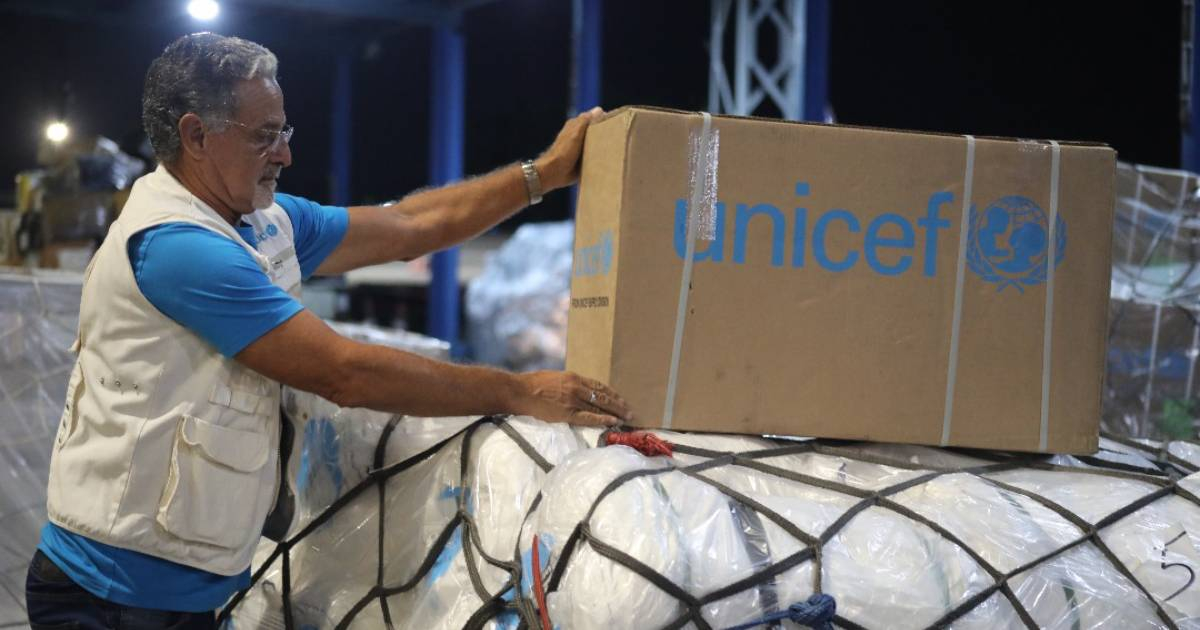
South Korea and UNICEF have provided Cuba with a significant donation of 213,000 bottles of prenatal supplements aimed at supporting approximately 30,430 pregnant and breastfeeding women across the island. This generous contribution marks one of the most substantial health-related donations received by the country in recent years, as reported by the UN agency on Friday.
This initiative is entirely funded by the South Korean government as part of a cooperative project with UNICEF, running from October 2025 to September 2026. The project involves a total contribution of $1 million, primarily focusing on enhancing care for pregnant women, newborns, and children, particularly in the eastern regions of Cuba and Havana.
Logistical hurdles challenged the shipment's delivery; unable to transport by sea, UNICEF opted for air transport from Panama City to Havana, incurring additional costs due to the route change. "Saving lives cannot wait," the agency explained, emphasizing the urgency of the situation.
Health Crisis in Cuba
The donation comes amidst a severe decline in maternal and child health in Cuba, exacerbated by decades of poor governance and a deepening structural crisis. At the close of 2025, Cuba recorded an infant mortality rate of 9.9 per 1,000 live births, the highest in over two decades. Maternal mortality was reported at 44.1 per 100,000 live births within the same period.
Even the Public Health Minister, José Ángel Portal Miranda, has admitted that only 30% of essential medications are available in the country, with pharmacies stocking just 32% of necessary products.
International Humanitarian Aid
In April, reports highlighted that over 32,000 pregnant women were in precarious conditions due to the combined impact of energy shortages and a medication crisis, drawing attention to the regime's mismanagement. The South Korean donation is part of a broader wave of international humanitarian aid Cuba has received in 2026.
Recent contributors include Brazil, which provided anti-tuberculosis drugs for 1,000 patients; Russia, which sent a shipment of 35 types of medications in April; the Bahamas, which donated pediatric oncology drugs this month; and Chile, which funneled $1 million through UNICEF for child health, nutrition, and protection.
Furthermore, in April, the United Nations proposed a $94.1 million humanitarian plan to address health and food needs on the island, underscoring the severity of the crisis facing the Cuban population.
FAQs About Cuba's Health Crisis and International Aid
What is the significance of the prenatal supplement donation to Cuba?
The donation of 213,000 bottles of prenatal supplements from South Korea and UNICEF is crucial as it supports over 30,000 pregnant and breastfeeding women in Cuba, marking one of the most significant health aid contributions in recent years.
How has the maternal and child health situation in Cuba deteriorated?
Cuba's maternal and child health has worsened due to decades of poor governance and a deepening structural crisis, resulting in high infant and maternal mortality rates and a significant shortage of essential medications.
Which countries have recently provided humanitarian aid to Cuba?
Countries like Brazil, Russia, the Bahamas, and Chile have recently contributed to humanitarian aid efforts in Cuba, providing medications and financial support for health and nutrition.