Yenney Caballero, a Cuban animal rights activist, took to Facebook to warn others about almost falling victim to a scam while trying to purchase liquefied gas in Mayabeque. The scheme involved a fake gas sale and an attempt to hijack her WhatsApp account by stealing its verification code.
Caballero recounted that her search began after running out of gas and finding no availability through Cuba Max. A friend pointed her to a Facebook group, "Revolico San José de las Lajas, Mayabeque," where a user named "Claudia Martin" advertised home-delivered liquefied gas at $45 for 20 kilograms, using the contact number 52088407.
She reached out via WhatsApp, expressed interest, and was promised delivery within two hours. The supposed sellers requested her full name, home address, and ID card number, which she provided unsuspectingly.
The situation escalated when a man called her, confirmed her details, and instructed her not to touch a code that would appear on her screen, telling her to "accept the next step." He claimed this would "transfer all her data and accounts to that code."
Recognizing it as the WhatsApp verification code—554-717, as she later shared in screenshots—Caballero immediately refused the transaction. WhatsApp promptly alerted her of an unauthorized access attempt and offered a password change, which she accepted immediately.
"I rejected it outright. WhatsApp asked if I wanted to change my password due to an attempted login, I accepted, and took a deep breath," she wrote.
Caballero shared the scammer's phone number in her post, urging her contacts to report the fraudulent listing.
"Please be extremely cautious, this is a scam," she warned, adding that any request for money in her name should be ignored as it wouldn't be from her.
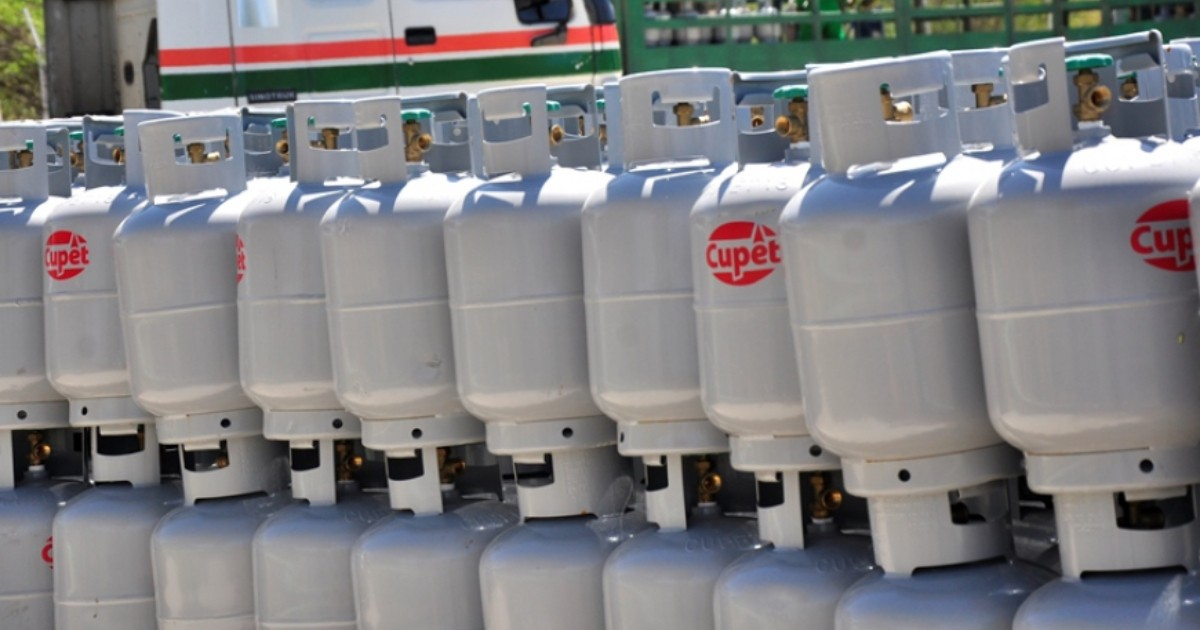
This incident occurs amid a severe shortage of liquefied gas. Since January, CUPET halted distribution in most provinces due to lack of supply, forcing families to turn to social media and informal networks for fuel.
In July, the regime set the official price at 350 Cuban pesos for a 10-kilogram cylinder, but on the black market, prices range from 10,000 to 70,000 pesos, or between $24 and $99.
This type of scam—fake gas sales on Facebook followed by WhatsApp verification code theft—has become increasingly common in Cuba, where families desperately seek ways to secure fuel for cooking.
In August, another Cuban warned on Facebook about scams used for stealing personal information and cloning victim accounts.
Just last week, an elderly couple in Ciego de Ávila lost 30,000 pesos and their gas cylinder to a scam. Their granddaughter reported the theft and managed to track down the scammer in the city.
"With the dire situation in Cuba, where there's nothing to cook with, everyone resorts to charcoal. It's understandable why she believed it," she emphasized.
In June, a family in Las Tunas paid 50,000 pesos for a cylinder that was mostly water.
The Banco de Crédito y Comercio warned in April 2026 that no legitimate transaction requires sharing a WhatsApp verification code. "It's heartbreaking that they target honest people just trying to survive amid such scarcity," Caballero concluded in her post.
Understanding Gas Supply Scams in Cuba
How are scammers targeting Cuban residents seeking gas?
Scammers often advertise fake gas sales on social media, then attempt to steal victims' WhatsApp verification codes to hijack their accounts.
What should individuals do if they suspect a scam?
Individuals should immediately reject any suspicious requests, verify the authenticity of the offer, and report the scam to authorities and social media platforms.
What are the current prices for gas in Cuba?
Officially, a 10-kilogram gas cylinder is priced at 350 Cuban pesos, but in the informal market, prices can range from 10,000 to 70,000 pesos or $24 to $99.