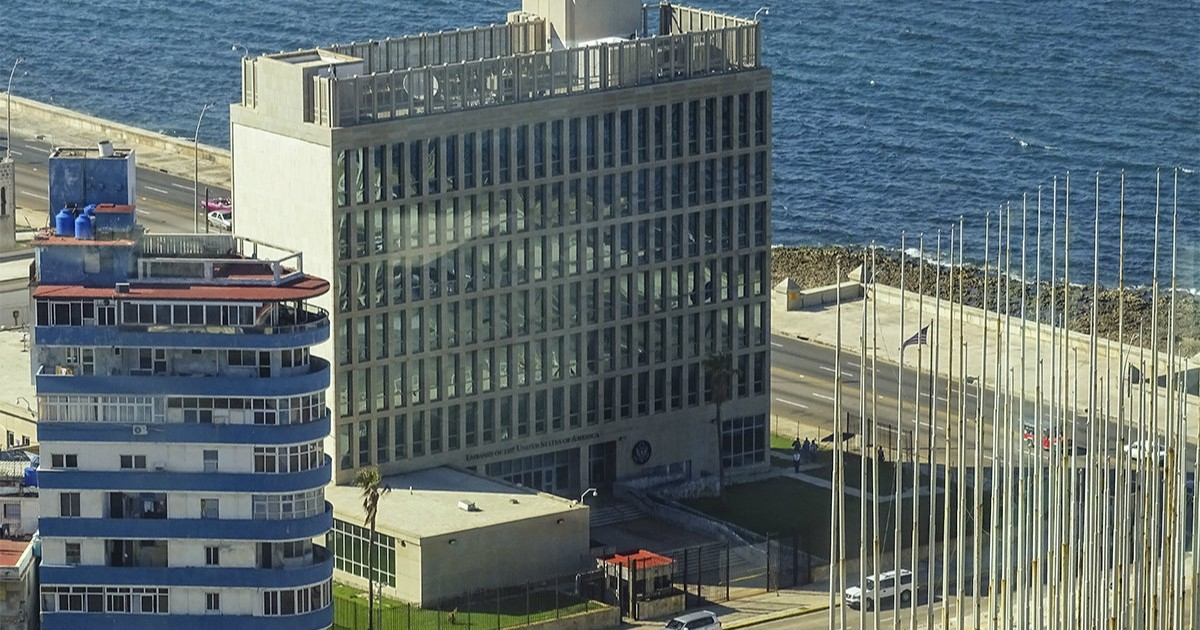
The United States Embassy in Havana issued a health alert on Friday to U.S. citizens regarding the worsening water supply issues in Cuba, the ongoing power outages, and the potential health and safety risks these problems pose.
In its message, the embassy highlighted that Cuba's water distribution infrastructure is increasingly unreliable. Reports indicate that some residential neighborhoods have gone without municipal or public water sources for extended periods.
The embassy linked the water situation to the island's electrical crisis, attributing both issues to what it described as the regime's "poor management of public infrastructure."
According to the alert, water often only reaches households when there is enough electricity to keep the pumping systems operational for sufficient durations.
The diplomatic mission also noted that media reports indicate wells are drying up in various parts of the country due to drought, complicating efforts to find alternative sources to compensate for public supply deficiencies.
"The lack of water, combined with power outages that disrupt cold chain storage, poses significant health and safety challenges," the embassy warned.
In light of this situation, U.S. citizens in Cuba or those planning to travel there are advised to take precautions and prepare for prolonged water and electricity interruptions.
Recommended measures include keeping phones and portable batteries charged, having flashlights and spare batteries, stockpiling sufficient potable water, water for personal hygiene, and non-perishable foods, and arranging alternatives for medical needs reliant on electricity.
The embassy emphasized the importance of special precautions for individuals using electric medical devices or medications requiring refrigeration, due to the risk that service interruptions may hinder their use or storage.
It also suggested staying informed through local media and the Unión Eléctrica (UNE), staying in touch with family and friends, checking medical evacuation options with insurers, and enrolling in the U.S. Smart Traveler Enrollment Program (STEP).
This warning is part of a series of alerts from the U.S. representation throughout 2026 as the crisis of basic services in Cuba has worsened.
On July 6, following a total shutdown of the National Electroenergetic System, the embassy warned of the electrical collapse and internet and mobile phone disruptions.
At that time, it again recommended storing water and food, keeping devices charged, and preparing to address medical needs without electricity.
Earlier, in May, another alert was issued regarding prolonged blackouts and protests in Havana. The notice then highlighted that power outages directly impacted water supply, refrigeration, and communications.
Likewise, in March, following a national blackout, the diplomatic mission urged citizens to prepare for extended outages, warning that the growing instability of the electrical grid compromised basic services, including water supply.
Understanding the Water and Power Crisis in Cuba
What has caused the water crisis in Cuba?
The water crisis in Cuba is primarily attributed to poor management of public infrastructure by the communist regime, along with severe drought conditions that have caused wells to dry up.
How are the water and power issues related?
The water supply often relies on electric pumping systems, which are affected by frequent power outages, resulting in interruptions in water delivery to homes.
What precautions are advised for U.S. citizens in Cuba?
U.S. citizens are advised to keep devices charged, store adequate water and food supplies, prepare for medical needs without electricity, and stay informed through reliable sources.