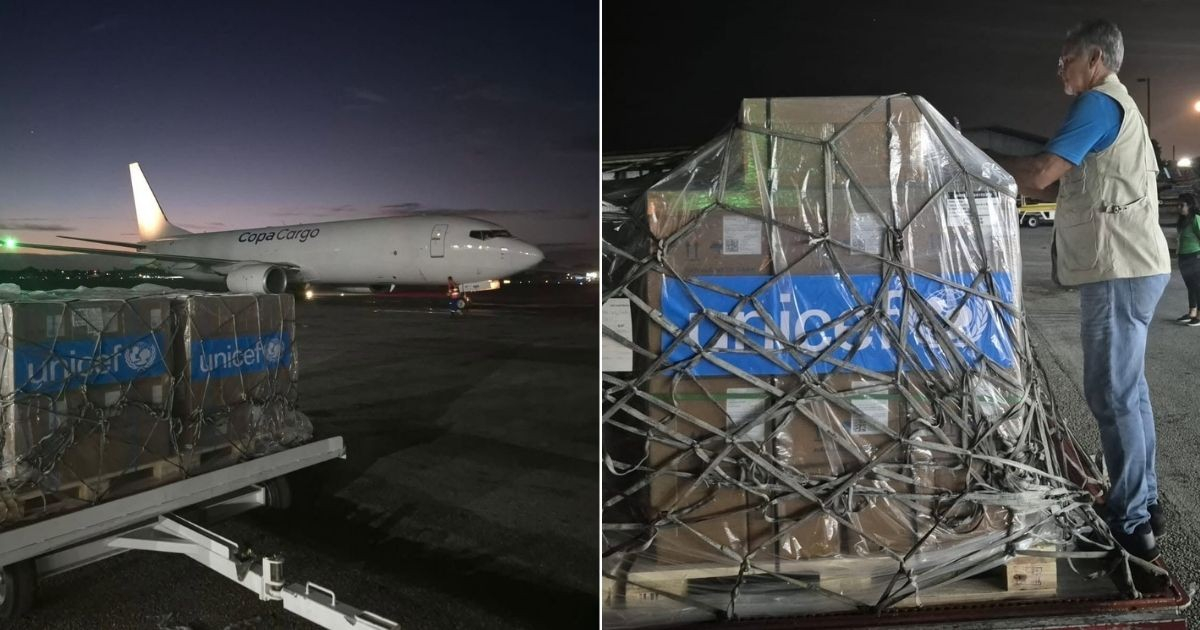
In response to a critical shortage of medical supplies in Cuba, UNICEF has delivered 213,000 bottles of prenatal supplements intended for expectant and nursing mothers. This support arrives at a time when the island's healthcare system is grappling with severe deficiencies in medication and essential resources.
The United Nations Children's Fund (UNICEF) announced on Friday that this shipment has the potential to ensure that approximately 30,430 pregnant women and breastfeeding mothers receive the full treatment necessary during their pregnancy and nursing periods.
"To ensure essential supplies reach Cuba, UNICEF is exploring various alternatives to overcome the current logistical challenges," stated the organization.
The supplements were procured with financial support from the Government of South Korea. Due to the inability to transport them by sea, UNICEF opted for air transport between Panama City and Havana, incurring additional transportation costs covered by the organization’s own resources.
South Korea Boosts Health Projects in Cuba
The collaboration between South Korea and UNICEF in Cuba is currently focused on strengthening the island's healthcare system, with particular attention to pregnant women, newborns, and children, especially in the eastern regions and Havana. This initiative, set to run from October 2025 to September 2026, is backed by a one-million-dollar contribution from South Korea.
This shipment comes amidst significant challenges in maintaining healthcare supply chains and services. In June, the Pan American Health Organization (PAHO) acknowledged logistical issues affecting aid to Cuba, including rising costs, air transport limitations, extended maritime shipping times, and a decrease in commercial routes to the country.
Healthcare Crisis Deepens in Cuba
PAHO also highlighted difficulties in extracting donations from ports and airports and distributing them to needed facilities, all within a context of energy crises and transportation disruptions.
The health system's dire situation has become so critical that even Cuban leader Miguel Díaz-Canel recently admitted that only about 30% of essential medicines are available. He also conceded that 34,000 pregnant women are not receiving adequate prenatal ultrasounds, and roughly 67,000 children under one year old have delays in their immunization schedules.
Díaz-Canel further acknowledged that there are 98,500 patients on surgical waiting lists, including around 12,000 children, attributing some of the postponed operations to a lack of resources and energy needed to keep operating theaters functional.
Months earlier, the United Nations had already warned that the prolonged energy crisis was exerting significant pressure on healthcare delivery. In May, Francisco Pichón, the UN's resident coordinator in Cuba, pointed out that hospitals had to scale back operations as fuel shortages impacted the distribution of medicines, water, and other critical supplies.
Frequently Asked Questions about UNICEF's Aid to Cuban Mothers
What is the purpose of UNICEF's shipment to Cuba?
UNICEF's shipment aims to provide prenatal supplements to approximately 30,430 pregnant and nursing mothers in Cuba to help address the healthcare shortages on the island.
How is South Korea involved in this initiative?
South Korea has contributed financially to the initiative, supporting the purchase of prenatal supplements and funding a broader health system strengthening project in Cuba.
What challenges are impacting Cuba's healthcare system?
Cuba's healthcare system faces severe shortages of medications, logistical issues for aid delivery, energy crises, and transportation limitations, affecting medical supply distribution and healthcare services.