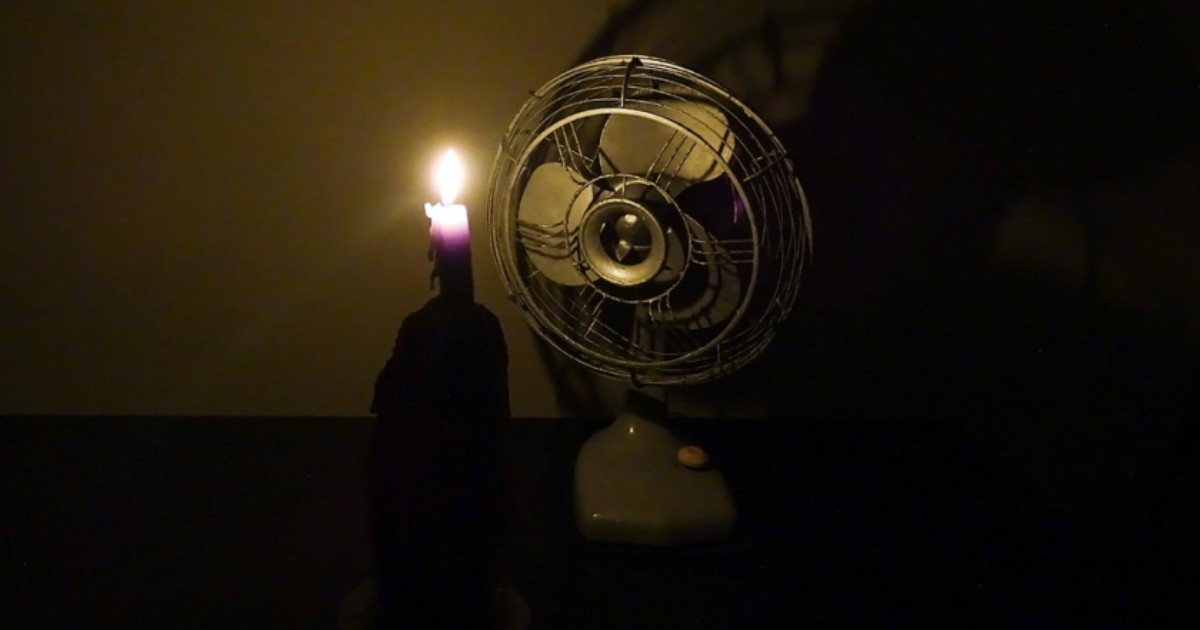
Amidst prolonged blackouts, scarcity, inflation, and daily struggles in Cuba, a hospital has advised residents to practice deep breathing, ensure quality sleep, engage in physical activity, and meditate as ways to cope with chronic stress, which has become a significant source of exhaustion for the population.
The Arnaldo Milián Castro Provincial Clinical-Surgical Hospital in Santa Clara issued a notice on Friday highlighting the adverse effects of persistent stress on the body and provided strategies to alleviate it.
“Chronic stress can impact your body in unimaginable ways,” cautioned the hospital, noting symptoms such as sleep disturbances, panic attacks, chest pains, muscle tension, stomach issues, concentration difficulties, hair loss, fatigue, and increased heart rate.
The institution explained that the body might remain in a state of “constant alert,” triggering brain amygdala activity, increased cortisol levels, and overloading the nervous system. “It's like living with the pedal to the metal all the time,” they summarized.
To mitigate this stress, they recommended: “Breathe deeply,” “engage in light exercise,” “get adequate sleep,” “talk to someone,” and “practice meditation or mindfulness.” Seeking professional help when necessary was also advised.
While these tips are common in any guide for managing stress, they take on a paradoxical tone in present-day Cuba, where something as basic as uninterrupted sleep hinges on whether the power stays on overnight.
The message from Arnaldo Milián Castro Hospital concludes by reminding that stress affects more than just the mind: “Your body is talking, listen to it. Stress is not just mental; it’s physical, emotional, and silent. Taking care of yourself is not a luxury, it’s a necessity.”
For many Cubans, however, in the current situation, these seemingly simple recommendations—like sleeping well, resting, or reducing worries—have ironically become another luxury that is hard to come by.
Moreover, the psychological impact of this reality has already been the subject of studies. This year, a study published in Social Science & Medicine examined 415 adults living in Cuba and found high levels of severe symptoms of depression, anxiety, and stress related to prolonged blackouts and the disruption they cause to daily life.
The problem extends beyond power outages. Economic uncertainty, food and medicine shortages, transportation challenges, and the overall decline of services have, according to experts, contributed to an increase in mental health problems.
In April, healthcare professionals warned about the rise in self-medication and the use of psychotropic drugs during the crisis.
A report at the time collected accounts from specialists describing a notable rise in anxiety, depression, and mental fatigue, with many people turning to the informal market for antidepressants, anxiolytics, and other medications.
This issue also affects the younger population. In early August, health authorities warned about the consumption of alcohol mixed with psychotropic drugs among teenagers and young adults in a Cienfuegos community, associated with violence and other risky behaviors.
This context makes the hospital's advice to sleep well particularly challenging for those enduring power cuts that may last throughout the day and night.
Recent testimonies describe sleepless nights, heat, spoiled food, and constant uncertainty about when electricity will return.
Understanding Stress and Coping Mechanisms in Cuba
What are some recommended stress relief techniques suggested by the Cuban hospital?
The hospital recommends deep breathing, light exercise, adequate sleep, talking with someone, and practicing meditation or mindfulness to alleviate stress.
How does the current situation in Cuba exacerbate stress levels?
Prolonged blackouts, economic uncertainty, food and medicine shortages, and the general decline in services contribute significantly to increased stress levels among Cubans.
What psychological impacts have been observed due to the ongoing crisis in Cuba?
Elevated symptoms of depression, anxiety, and stress have been noted, particularly related to prolonged blackouts and their disruption of daily life.