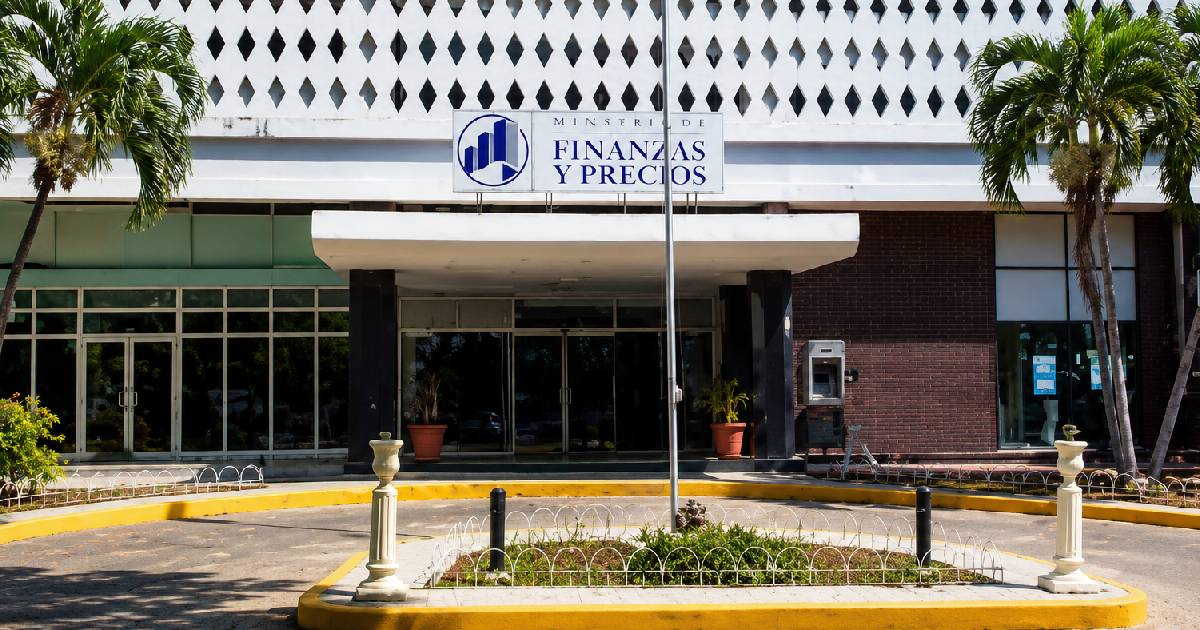
The Cuban Council of Ministers has issued Decree 168 of 2026, a regulatory framework that establishes guidelines for a series of ministerial resolutions published this Friday in the Official Gazette of the Republic of Cuba No. 69 Ordinary of 2026.
This decree serves as a legal foundation supporting five resolutions from two ministries: the Ministry of Finance and Prices (MFP) and the Ministry of Domestic Trade (MINCIN). It is part of a larger package consisting of eight regulations outlined in Gazette No. 69 Ordinary of 2026.
Under the leadership of Vladimir Regueiro Ale, the MFP released Resolution 195/2026, which sets maximum fees in foreign currency for commercial license processing services. This is a critical issue for private operators who must pay for their licenses in foreign currency.
Led by Betsy Díaz Velázquez, MINCIN contributes four resolutions to the regulatory framework, all aimed at restructuring the commercial sector on the island.
Changes to Wholesale Trade
Resolution 15/2026 introduces more flexible regulations for wholesale trade, a sector that faced significant restrictions in December 2024. At that time, MINCIN’s Resolution 56/2024 automatically revoked wholesale licenses for self-employed individuals, confining the activity to specifically approved entities.
New Commercial Standards
Resolution 23/2026 approves the Classifier of Commercial Establishments, which categorizes the various types of businesses authorized to operate in Cuba. This classification provides a technical basis for implementing the rest of the regulatory package.
Meanwhile, Resolution 24/2026 sets technical requirements for commercial activities, and Resolution 25/2026 establishes maximum fees for services provided by the Central Commercial Registry. This MINCIN body is responsible for registering and authorizing businesses and activities in the sector, with authorizations valid for five years.
Additional Legal Adjustments
The same Gazette edition includes the Council of State’s Decree-Law 129 of 2026, which repeals Decree-Law 155 concerning the confiscation of goods for violations related to the Central Commercial Registry. Additionally, Decree 167 of 2026 from the Council of Ministers also pertains to Domestic Trade.
These measures are part of a broader effort to reorganize the regulatory framework for commerce, which intensified in 2021 with the opening to private MSMEs and non-agricultural cooperatives. This process underwent a phase of regulatory adjustment following the restrictions imposed on private wholesale trade at the end of 2024.
The full text of all these regulations is available in the Official Gazette of the Republic of Cuba, as well as in the downloadable PDF of edition No. 69 Ordinary of 2026.
Understanding Cuba's New Trade Regulations
What is the purpose of Decree 168 of 2026?
Decree 168 of 2026 establishes a legal framework for a series of ministerial resolutions, aiming to regulate various aspects of commerce and trade in Cuba.
How does Resolution 15/2026 affect wholesale trade?
Resolution 15/2026 relaxes previous restrictions on wholesale trade, which were initially imposed in December 2024, allowing more flexibility for this sector.
What changes did the MINCIN introduce with its resolutions?
The MINCIN introduced resolutions to restructure the commercial sector, including setting technical requirements for commercial activities and categorizing business establishments.