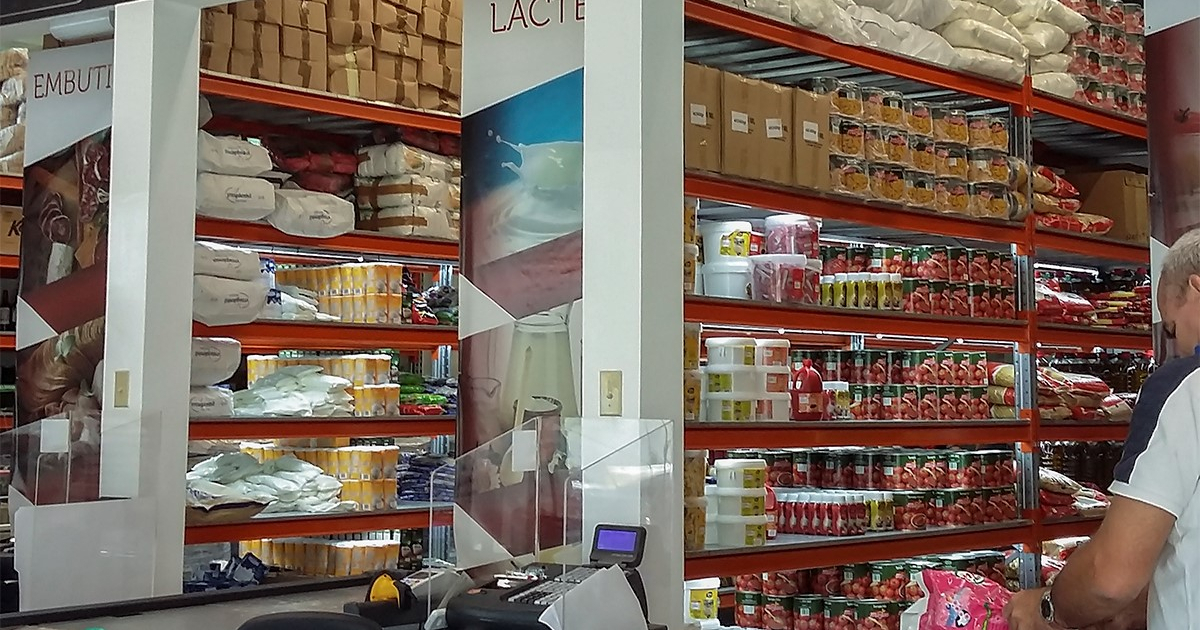
The Cuban Ministry of Domestic Trade (MINCIN) has taken a significant step by removing two regulations that had imposed restrictions on the wholesale trade activities of private micro, small, and medium-sized enterprises (MSMEs) and non-agricultural cooperatives since 2024. This development is part of the broader economic changes the Cuban government is implementing this year.
Outlined in Resolution 15/2026 from the Ministry of Domestic Trade, this measure was published on August 28, 2026, in the Official Gazette No. 69 Ordinaria.
Signed by Minister Betsy Díaz Velázquez on July 28, the resolution became effective with its publication. The document explicitly acknowledges the necessity of "relaxing regulations" for wholesale commerce as part of the approved Economic and Social Transformations by the government.
Regulatory Changes and Their Implications
To achieve this, MINCIN has repealed Resolution 56 of 2024 and Resolution 18 of 2025. These regulations had previously imposed specific limits, licenses, and timelines on non-state sector wholesale operations.
Resolution 56/2024 required private MSMEs and non-agricultural cooperatives primarily engaged in wholesale trade to update their licenses and conduct their operations directly with state entities or through state-owned wholesale distributors. It also mandated the cancellation of wholesale licenses for MSMEs and cooperatives with secondary wholesale activities and eliminated such activities for self-employed individuals. Additionally, it set deadlines for liquidating certain inventories.
Resolution 18/2025 provided partial relief by extending several deadlines while assessing the economic and social performance of the involved businesses, but it maintained the overall framework established the previous year.
Now, both of these provisions have been eliminated.
New Framework and Remaining Controls
However, this does not mean that wholesale trade is entirely free of control. The new framework is linked to Decree 160/2026, which delineates permitted, prohibited, and conditioned activities for various private economic actors.
Regarding wholesale trade, this decree specifies that self-employed individuals are not allowed to engage in the wholesale sale of authorized products in this sector. However, private companies, private MSMEs, and non-agricultural cooperatives are permitted to engage in such activities within the established limits and authorizations for each product.
Certain goods continue to face specific restrictions. For instance, the wholesale trade of twisted and raw tobacco remains reserved for the state, while the trade of certain health-related products, transportation means, metals, minerals, and other sectors requires specific authorizations.
Broader Economic Context
The same Official Gazette also introduces a new Internal Trade Decree that reorganizes many applicable rules in the sector. This regulation covers both wholesale and retail trade conducted by various management forms and maintains the requirement for having the necessary authorizations and licenses.
Among the changes, authorized marketers can define wholesale or retail activities according to their social objectives, participate in public procurement, and organize their operations within MINCIN's established requirements.
The new framework also aims to foster alliances between state and non-state actors, increase the presence of various management forms in trade, and improve supply chains, although the state retains broad regulatory, inspection, and control powers.
This relaxation of regulations is part of a much larger economic package announced by the Cuban government in June. The 176 economic and social transformations presented then include fewer procedures for the private sector, a reduction in prohibited activities, greater participation of MSMEs and cooperatives, input markets, and an increased role for market mechanisms.
Within this program, commerce and services are areas where the government seeks to expand the involvement of private and foreign actors amid a prolonged crisis characterized by product shortages, inflation, decreased production, and supply challenges.
Understanding the New Trade Regulations in Cuba
What changes have been made to wholesale trade regulations in Cuba?
The Cuban Ministry of Domestic Trade has repealed two resolutions that imposed restrictions on private MSMEs and cooperatives involved in wholesale trade. This change is part of a broader economic reform to relax existing regulations.
Are there still restrictions on wholesale trade in Cuba?
Yes, although some regulations have been relaxed, certain restrictions remain. The new framework, tied to Decree 160/2026, outlines permitted, prohibited, and conditional activities for different private economic actors.
Which entities are allowed to engage in wholesale trade under the new regulations?
Private companies, private MSMEs, and non-agricultural cooperatives are allowed to engage in wholesale trade within established limits and authorizations. Self-employed individuals are not permitted to participate in wholesale activities.