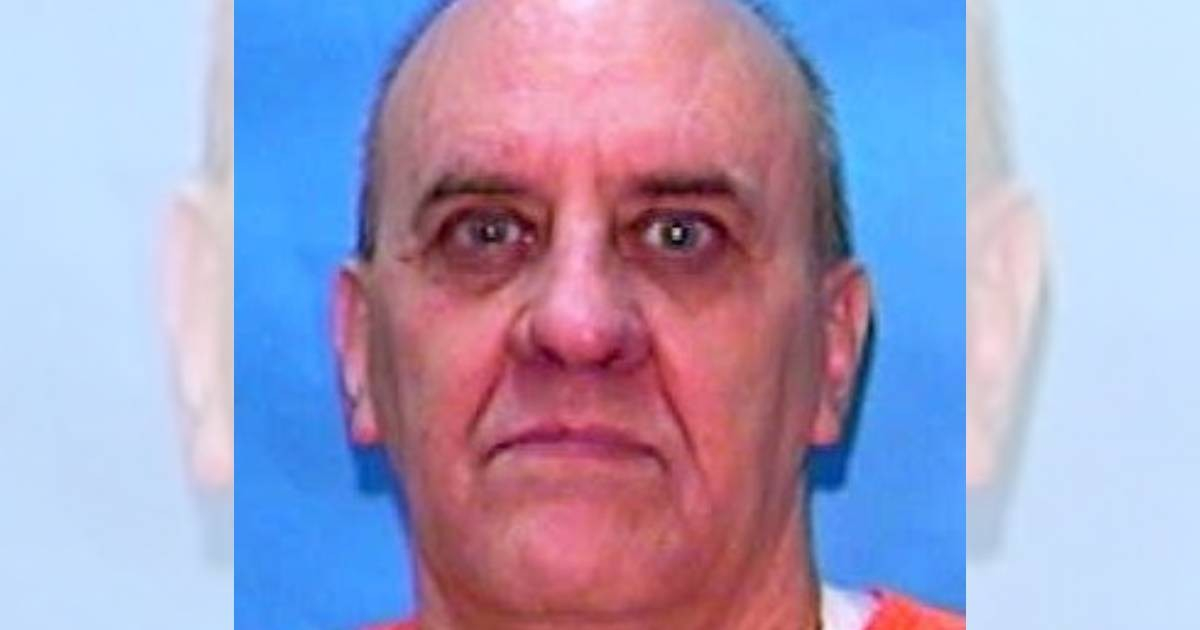
Florida Governor Ron DeSantis has authorized the execution of Curtis Wilkie Beasley, a 77-year-old man sentenced to death for the 1995 murder of a 62-year-old woman, whom he killed by striking her with a hammer.
According to a report from CBS Miami, Beasley is scheduled to be executed by lethal injection on September 29 at Florida State Prison.
This marks the sixteenth execution order issued in Florida in 2026, as the pace of capital punishment has increased under DeSantis's administration.
The Gruesome 1995 Murder
Carolyn Monfort, the victim, was discovered dead by her son on August 24, 1995, in the laundry room of her home in Dundee. She had suffered severe head and facial injuries, along with defensive wounds on her arms and hands. Nearby, a hammer head detached from its handle was found wrapped in two dishcloths.
Beasley was acquainted with the family and was staying at Monfort's house while working on painting and pressure washing tasks at an apartment complex owned by the victim's son-in-law. Following the murder, Monfort's car and $800 in cash, which a new tenant had given as a deposit, went missing.
Evidence and Conviction
Investigators discovered several items of clothing, including a blood-stained shirt, beneath a bed in the guest room. DNA testing confirmed the blood belonged to Monfort. Five months later, Beasley was apprehended at a hotel in Alabama.
In February 1998, he was found guilty of first-degree murder, robbery, and grand theft. The jury recommended the death penalty by a vote of 10 to 2. The Florida Supreme Court later upheld both the conviction and the sentence.
Despite the conviction, Beasley has maintained his innocence, stating during the 1998 sentencing hearing, "I did not kill Carolyn Monfort. I didn't steal her car or money," as reported by the Lakeland Ledger at the time.
Florida's Escalating Execution Rate
The recent order follows a year in which Florida executed 19 inmates in 2025, the highest number recorded since the reinstatement of the death penalty in the United States in 1976. Thirteen inmates have already been executed in 2026, with more executions scheduled.
In a rare occurrence in July, the state conducted two executions on the same day, something that hadn't happened since 1964.
The Florida Conference of Catholic Bishops has renewed its calls for DeSantis to halt executions and replace the death penalty with life imprisonment. "Punishing with life imprisonment does not diminish the crime's atrocity. Rather, it reverently acknowledges that God is the author of life and reserves the power to take human life," stated Michael Sheedy, the organization's executive director, on Wednesday while advocating for clemency in another pending case.
DeSantis has publicly defended the use of the death penalty as a means to provide justice for victims' families. "I don't know if 'closure' is the right word, because you'll probably never achieve total closure. But at least knowing that justice was served is very important for many people," the governor expressed last month to the Florida Sheriffs Association.
Key Questions About Florida's Death Penalty Under DeSantis
Why has the execution rate in Florida increased under DeSantis?
Governor Ron DeSantis has intensified the application of the death penalty as a means of delivering justice to the families of victims, resulting in a higher number of executions.
What was the evidence used to convict Curtis Wilkie Beasley?
Beasley was convicted based on DNA evidence linking him to a blood-stained shirt found at the crime scene, as well as his connection to the victim's missing car and cash.
How has the Catholic Church responded to the executions in Florida?
The Florida Conference of Catholic Bishops has repeatedly called for an end to the death penalty, advocating for life imprisonment as a more humane alternative.