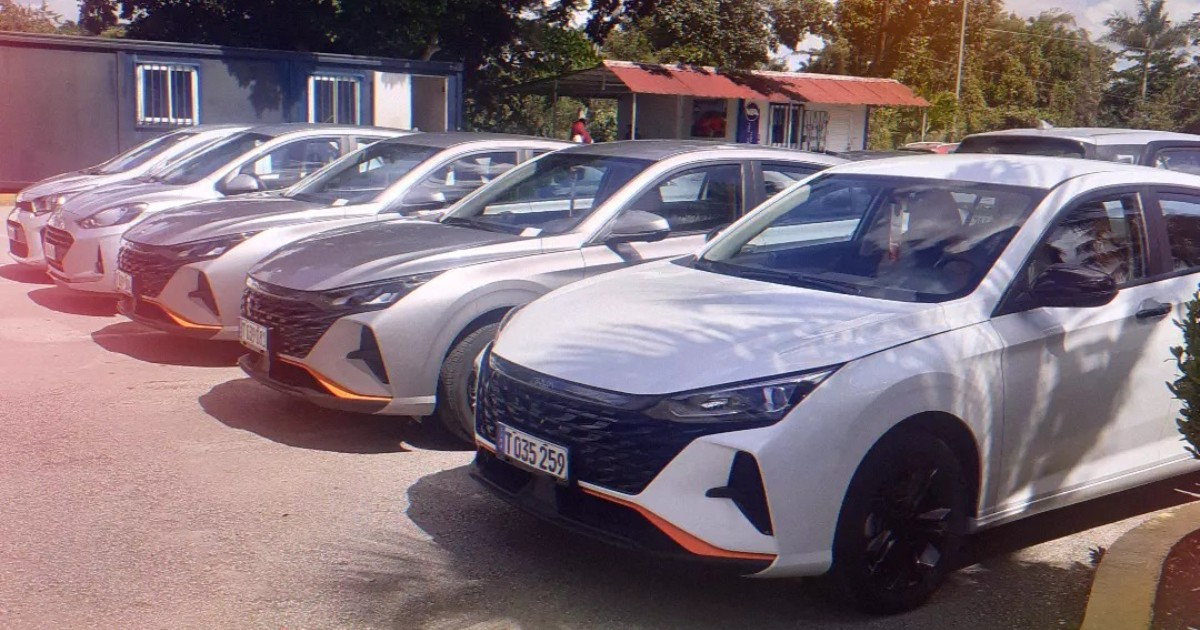
SASA, or Servicios Automotores S.A., has clarified that vehicles from Transtur, which have been declared technically unfit due to accidents or wear, can be sold in Cuban pesos (CUP). This is part of a replacement process, provided that these vehicles retain certain essential components, despite having other parts missing or damaged.
In a Facebook post this Wednesday, SASA detailed the requirements for these vehicles. The aim of this initiative is to ensure that vehicles, which might otherwise end up dismantled, can be restored by those who purchase them.
According to SASA, this current method is an evolution of a previous procedure that only allowed for bodywork replacement, excluding the engine and transmission. Responding to public demand, the process has been adapted to allow the sale of Transtur vehicles deemed technically unfit, enabling new owners to restore them.
Renewed Opportunities for Vehicle Restoration
The goal, as stated in the publication, is to offer individuals who can afford the necessary investment the chance to acquire "a more modern vehicle than what they currently own." However, SASA acknowledged that the condition of available vehicles could be quite poor. Some have sustained significant accident damage, others are incomplete, and some have major component failures, such as in the engine, transmission, or air conditioning systems.
Given these conditions, minimum requirements for the components a vehicle must have to be sold have been standardized, regardless of the technical state of certain parts. For this process, a "complete vehicle" is defined as one that includes the body, engine, and transmission.
Minimum Component Requirements
Essential elements that must be present, albeit possibly damaged, include the engine, transmission with internal components, transmissions, and suspension and steering systems parts, including both axles. The interior must be intact, with seats, steering wheel, instrument panel, and original electrical controls in place.
The brake system components must all be present, even if some are faulty. The body must retain all its panels, parts, and pieces, except for those completely lost due to the accident.
However, certain missing components will not prevent the vehicle's sale. These include the alternator, starter motor, and air conditioning components like the compressor, condenser, evaporator, and interconnection pipes. Additionally, the absence of injectors, spark plugs, coils, sensors, fuel gauge, headlights, tires, bumpers, cables, and other electrical system parts, as well as broken windshields or windows, will not impede the sale.
The post also lists an item referred to as "Clanes," without further explanation or description of this term.
The Process of Vehicle Assignment
Customers are entitled to up to two assignment opportunities among available vehicles. Once an individual receives an email assignment, they can download photos and completion model details for reference. However, SASA emphasizes the importance of physically inspecting the vehicle before acceptance.
For those lacking mechanical or automotive knowledge, SASA advises bringing someone experienced to help decide whether to accept the first option or wait for the second and final available assignment.
The most crucial warning comes once the transaction is finalized: after signing the agreement, invoicing, and payment, "there is no right to return." SASA also does not commit to selling missing or defective parts to the buyer at a later date.
Background on Vehicle Sales in Cuba
Selling recoverable vehicles from the tourism sector in national currency is not entirely a novel concept. In 2024, the government announced that SASA could sell CUP vehicles from the tourism sector or other entities that were deemed non-commercial but recoverable. The regulation stipulated that vehicles technically withdrawn but considered recoverable could be sold for replacement in Cuban pesos, through a ranking system organized by the authorized entity.
Recently, in early August, the regime released a new regulatory package on the buying, selling, importing, assembling, and recovering of vehicles, as part of a broader reform of the Cuban automotive market. The clarification now provided by SASA specifically focuses on the minimum conditions that deteriorated or accident-damaged Transtur vehicles must meet to be assigned and sold within this replacement process.
Frequently Asked Questions About Transtur Vehicle Sales
What are the essential components a vehicle must have to be sold?
A vehicle must have its engine, transmission, suspension and steering components, and a complete interior to be sold, although these parts might be damaged.
Can missing parts prevent a vehicle's sale?
No, missing parts like the alternator, starter motor, air conditioning components, and certain other items will not prevent the sale of the vehicle.
What should buyers do before accepting a vehicle assignment?
Buyers are encouraged to inspect the vehicle physically and, if necessary, bring someone with automotive expertise to ensure they make an informed decision.