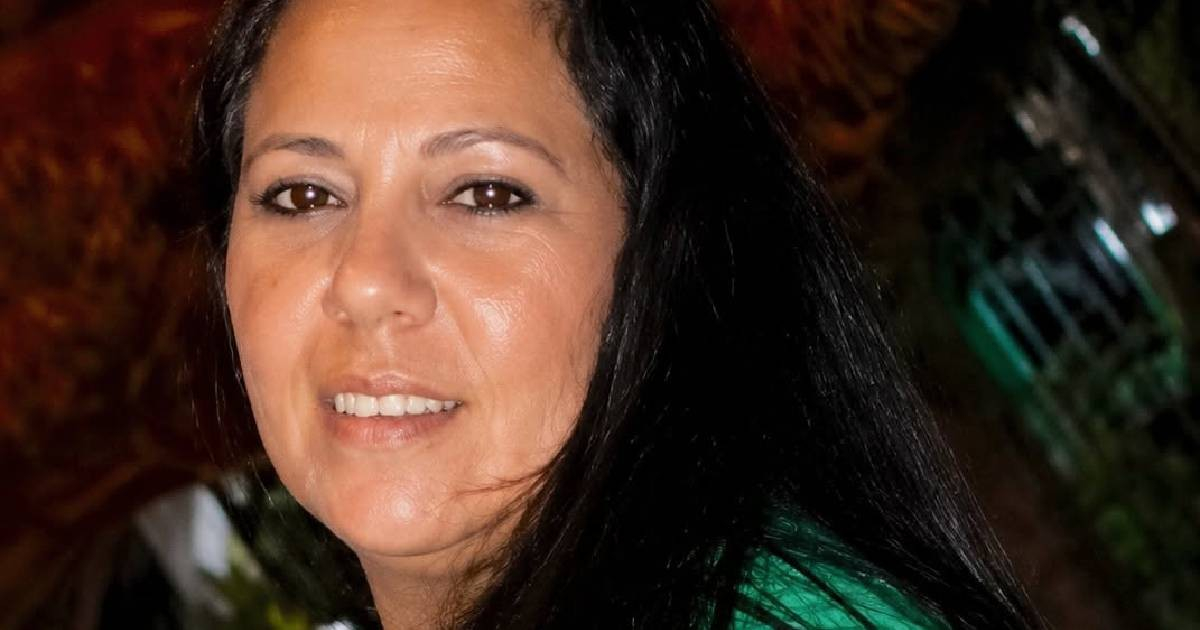
Lumey Guzmán Fernández, a 44-year-old self-employed resident from Alamar, has been released after posting a bail of 7,000 Cuban pesos (CUP). However, her legal struggles persist as she must face charges from home, according to a family source reporting to the organization Justicia 11J.
Guzmán was originally detained on July 9 after sharing a Facebook video criticizing the extended power outages in her neighborhood—which had gone over 90 hours without electricity. In her video, she directly addressed Miguel Díaz-Canel, Foreign Minister Bruno Rodríguez, and Lis Cuesta.
Initially charged with disrespect, her family feared additional charges of sedition might follow.
Following her arrest, Guzmán was taken to the Cojímar police station and, on July 15, transferred to El Vivac, where she was held incommunicado. Two days later, she was moved to El Guatao prison, where her family noted her significant weight loss and declining mental health. Her social media profiles and videos were deleted after her detention.
Justicia 11J stressed that her release does not signify an end to the persecution: "She is out of prison but remains subject to a process for peacefully exercising her right to free speech and expressing dissatisfaction with the country's situation."
The organization described the situation as a form of institutionalized repression: "Utilizing the judicial system to target dissenting voices, intimidate those who question authority, and instill fear among those who report the Cuban reality constitutes a form of repression."
This tactic has also been noted by Cubalex, which warned in 2026 that bail serves as economic repression: it places financial burdens on already impoverished families and keeps defendants under indefinite judicial control, extending the punishment to their families.
Guzmán's case is part of a broader repressive wave tied to the electrical crisis overwhelming Cuba in 2026. On July 8, the Electric Union recorded a generation deficit of up to 2,341 MW, marking a historical record for the nation.
The blackouts sparked protests in various areas, met with mass arrests by the regime: at least 24 individuals were detained following the July 9 protest in Luyanó, and another six after a demonstration in Loma del Chivo, Guantánamo, on July 17.
Alamar, Guzmán's neighborhood, has frequently been a hotbed for protests and repression related to the blackouts, with documented incidents dating back to May 2026.
The overall repressive climate shows no signs of easing. Prisoners Defenders reported 1,327 documented political prisoners in Cuba by the end of July 2026, the highest number recorded by the organization, with 36 new additions that month, 15 directly linked to public protests.
The Cuban Observatory of Human Rights documented nearly two thousand repressive actions in the first half of 2026, including 257 arbitrary detentions.
Understanding Cuba's Current Repressive Climate
What led to Lumey Guzmán's arrest?
Lumey Guzmán was arrested after she posted a video on Facebook criticizing the prolonged power outages in her neighborhood, directly addressing high-profile Cuban officials.
Why is her release not the end of her legal troubles?
Despite being released on bail, Guzmán remains under judicial scrutiny and must continue to face charges related to her peaceful expression of dissatisfaction with Cuba's situation.
How does the Cuban government use the judicial system to suppress dissent?
The Cuban government employs the judicial system to target dissenting voices, using charges and financial burdens as tools to intimidate and control those who oppose or criticize the regime.