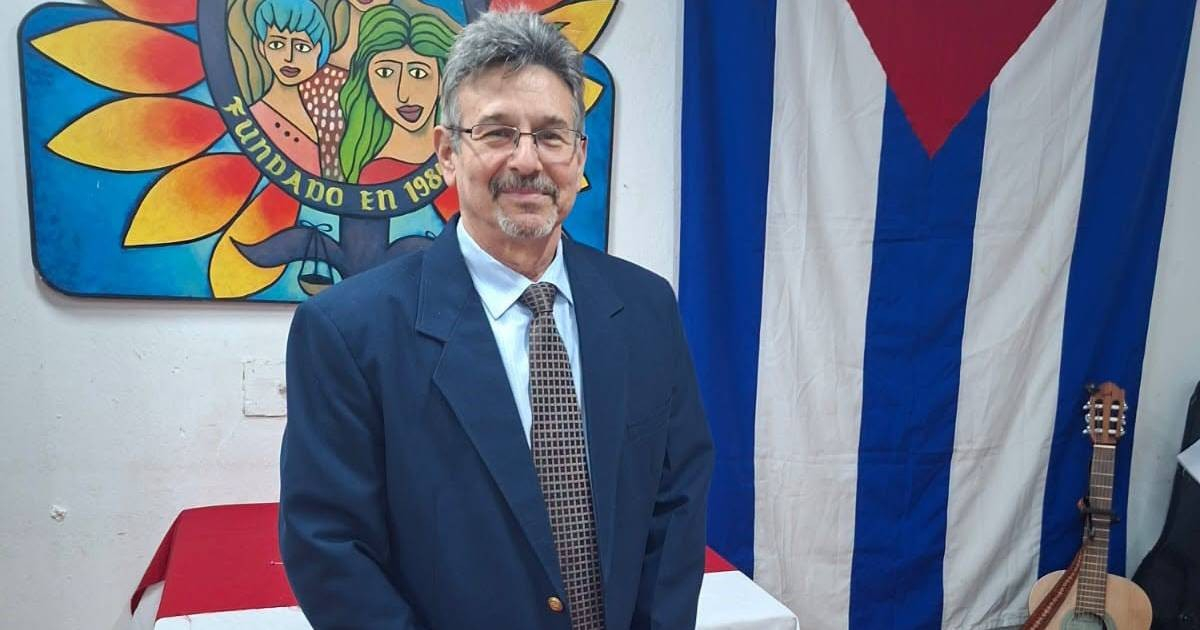
In less than ten months, the Cuban ambassador to Chile, Óscar Cornelio Oliva, has engaged in a whirlwind of over 60 public activities, notably strengthening ties with the Chilean Communist Party (PC). This proactive approach has caught the attention of diplomatic circles within the country.
According to an investigation by the Chilean outlet El Líbero, which examined 70 posts from the Cuban diplomatic mission, Cornelio has visited at least 13 municipalities since his arrival in November 2025. He has met with mayors, parliamentarians, political leaders, and university representatives.
Communist Connections Raise Eyebrows
However, it is Cornelio's frequent interactions with communist leaders that have sparked the most interest. A notable incident occurred on January 6, during a celebration of the Cuban Revolution's anniversary at the University of Chile. In the presence of PC President Lautaro Carmona, Cornelio declared, "I completely agree with the words of compañero Lautaro: we are the same cause. Your concepts, definitions, and proposals are also ours."
The event stirred controversy, prompting the Comptroller General of the Republic to instruct the University of Chile to rectify its procedures. The event was authorized as cultural, despite its evident political undertones, according to the agency.
Beyond Santiago: Expanding Influence
Days later, Carmona and leader Juan Andrés Lagos traveled to Havana, where they met with Miguel Díaz-Canel, Josefina Vidal, and Esteban Lazo. Upon their return, Carmona called for "a leap in quality and quantity in solidarity" with Cuba.
The ambassador's engagements extended to other regions. In February, communist senator Daniel Núñez joined Cornelio on a tour of Coquimbo, exploring the potential to export artisanal jack mackerel to Cuba.
In March, Cornelio visited the National Congress to meet with the Chilean-Cuban Interparliamentary Group, led by communist deputy Boris Barrera.
Heightened Activities Amid Political Shifts
Activities ramped up in August, aligning with the centennial of dictator Fidel Castro's birth. Cornelio appeared alongside former mayor and presidential candidate Daniel Jadue at the launch of the book “...y en eso llegó Fidel” and announced that over 150 Chileans would travel to Cuba for the celebrations.
On August 13, a communist delegation led by Lagos visited the Cuban embassy to affirm their "honor-bound commitment to the Cuban revolution."
Diplomatic Concerns and Historical Context
This intense engagement occurs amid a significant shift in political relations between Santiago and Havana. In January, then-President Gabriel Boric labeled Cuba a "dictatorship," causing a significant rift with the Communist Party. Since March, José Antonio Kast's government has distanced itself from Havana, withdrawing Chile from the Non-Aligned Movement in August after 55 years.
The ambassador's activities have also raised concerns among some diplomats. A former Chilean ambassador interviewed by El Líbero noted, "It is erroneous to think that in Cuba, diplomacy and espionage are separate."
Past incidents in 2019 and 2022 had already pointed to alleged Cuban intelligence officers operating under diplomatic cover in Santiago, though these claims stem from media and former agents, lacking public judicial confirmation.
Understanding the Cuban Ambassador's Role in Chile
What activities has the Cuban ambassador engaged in while in Chile?
The Cuban ambassador, Óscar Cornelio Oliva, has participated in over 60 public events, strengthening ties with various political leaders, notably the Chilean Communist Party.
Why has the ambassador's relationship with the Communist Party raised concerns?
Cornelio's frequent interactions with communist leaders have sparked interest due to the political implications and the historical context of Cuba's influence in the region.
How has the Chilean government responded to Cuba under President Kast?
President José Antonio Kast's government has taken a more distanced approach, notably withdrawing from the Non-Aligned Movement and marking a distinct shift from previous administrations.