Juan Pablo Segura, the U.S. Deputy Assistant Secretary of State for Western Hemisphere Affairs, recently described Cuba's economic system as a military-controlled "kleptocracy." This statement was shared through a post on the social platform X, accompanied by an infographic directly targeting the military conglomerate GAESA.
Segura highlighted the stark contrast between Cuba's system and those of other countries where economic growth is spurred by competition, entrepreneurship, and transparency, asserting that Havana's model contradicts these principles entirely.
"Economic growth worldwide thrives on competition, entrepreneurial spirit, and transparency. Cuba's kleptocratic model, dominated by the military, centralizes wealth and power among a select few regime elites, while simultaneously stifling opportunities for ordinary Cubans," the official stated.
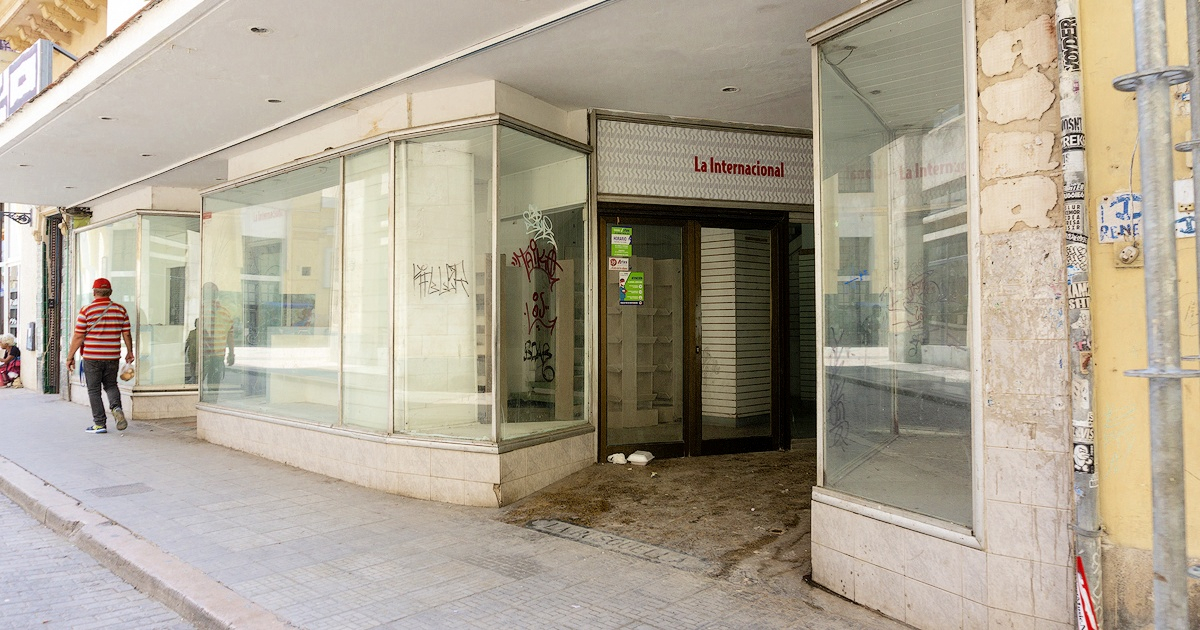
The post featured an image of a rundown Cuban state store—complete with a rusty cash register, nearly empty shelves, and regime flags in the background—accompanied by the text: "GAESA - State monopoly means stagnation."
Understanding the Term 'Kleptocracy'
The term "kleptocracy," derived from Greek for "thief" and "power," refers to a system where government sustains itself through the institutionalized theft of public capital, with corruption, embezzlement, and misappropriation as its pillars, and where no sector within the power structure is incentivized to curb these practices.
GAESA Under Fire
The Business Administration Group S.A. (GAESA) serves as the business arm of Cuba's Revolutionary Armed Forces, frequently finding itself the target of Washington's criticism.
This conglomerate dominates strategic sectors of the island's economy, including tourism, the port of Mariel, the main commercial bank, supermarkets, gas stations, remittances, telecommunications, and foreign trade.
Various estimates suggest that GAESA controls between 40% and 70% of Cuba's formal economy, though the group's lack of transparency prevents an audited figure.
Since his appointment as Deputy Assistant Secretary on August 14, Juan Pablo Segura has consistently warned foreign companies about doing business with the Cuban military conglomerate.
The State Department has labeled GAESA as "the heart of Cuba's communist kleptocratic system," a characterization Segura now publicly supports, while the island's population continues to face shortages, blackouts, and the lack of economic opportunities that Washington claims are being denied by the regime itself.
Rising Pressure Since May
On May 1, 2026, President Trump signed Executive Order 14404, forming the basis for Secretary of State Marco Rubio to announce direct sanctions against GAESA and Moa Nickel S.A. on May 7.
The deadline for foreign companies and financial institutions to sever ties with the conglomerate, under threat of secondary sanctions, expired on June 5. On that day, the Office of Foreign Assets Control (OFAC) confirmed the blocking of GAESA, the Ministry of the Interior (MININT), and the Ministry of the Revolutionary Armed Forces (MINFAR).
Key Questions About Cuba's Economic System
What is GAESA and why is it significant?
GAESA is the business arm of Cuba's Revolutionary Armed Forces, controlling key sectors of the Cuban economy, including tourism, banking, and telecommunications. Its significant influence and lack of transparency make it a frequent target of U.S. criticism.
How has the U.S. responded to Cuba's economic practices?
The U.S. has implemented sanctions against GAESA and other Cuban entities to pressure the regime, citing the conglomerate's control over the economy and alleged corruption as reasons for these measures.
What impact do these sanctions have on Cuba?
Sanctions can exacerbate economic hardships in Cuba by limiting the regime's access to international markets and financial systems. This potentially heightens existing shortages and economic challenges faced by the Cuban population.