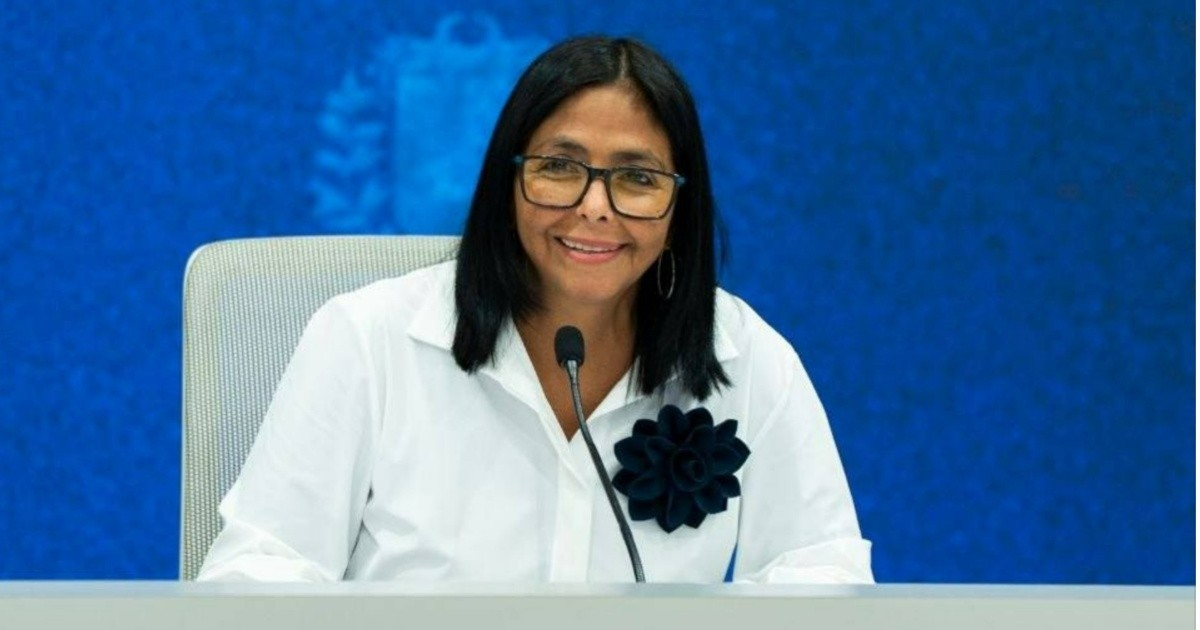
Venezuela's interim president, Delcy Rodríguez, stated on Tuesday that since January 2026, a total of 1,046 Venezuelans have been released from detention. This move follows the apprehension of Nicolás Maduro by U.S. forces, according to a report by EFE.
Rodríguez delivered this announcement during a national address marking two months since the catastrophic earthquakes that struck Venezuela in June. She also noted that an additional 12,000 individuals have been granted procedural benefits.
"Thanks to the Democratic Coexistence and Peace Program, 1,046 Venezuelans have been freed, and 12,000 have received procedural advantages as of today. We will continue to advance responsibly," Rodríguez proclaimed.
The release of prisoners began shortly after January 3, when U.S. troops captured Maduro in Caracas. Since that event, the Venezuelan government has periodically announced waves of releases throughout the year. However, these official figures have consistently been challenged by independent organizations.
Discrepancies in Official and Verified Release Numbers
Foro Penal, the leading legal advocacy group for political prisoners in Venezuela, has consistently reported lower numbers than those claimed by the government. For instance, out of the 131 releases announced by authorities in mid-August—linked to the conclusion of the first dialogue round between the Chavismo and the opposition—the NGO could verify only 81. Meanwhile, the Democratic Unity Platform (PUD), the largest opposition coalition, counted 105 from the same batch.
As of June, Foro Penal had confirmed the release of 894 political prisoners since January, highlighting a persistent gap with the government's figures. By August 10, the organization still recorded 391 individuals as active political detainees.
Institutional Collaboration and Human Rights Concerns
Rodríguez emphasized that her administration is collaborating with the International Committee of the Red Cross to review conditions in detention centers. This announcement follows demands from human rights organizations and families of detainees calling for the Red Cross's access to Venezuelan prisons.
The most recent prisoner releases in August occurred during the initial round of talks between the Chavismo and the opposition, represented by former deputy Dinorah Figuera with Washington's support. This negotiation process, held at La Carlota airbase in Caracas, concluded its first round on August 13, reaching agreements on renewing the Supreme Court and addressing earthquake victims' needs.
The Chavismo-majority parliament had also passed an amnesty law in February, benefiting over 8,000 individuals, though many were already under restricted freedom. Rodríguez declared the completion of this law's implementation in April.
Aside from the prisoner releases, the interim president vowed to dismantle police checkpoints in cities, often criticized as centers of extortion, and enhance patrols with measures that are "respectful" of human rights.
Context of Recent Natural Disasters
The backdrop to Rodríguez's announcement includes the devastating earthquakes on June 24, with magnitudes of 7.2 and 7.5, which by early August had resulted in over 6,125 confirmed fatalities. These quakes represent the most significant recent natural disaster in Venezuela.
Frequently Asked Questions about Venezuelan Prisoner Releases
Why were Venezuelan prisoners released?
The releases were part of a program initiated following Nicolás Maduro's capture by U.S. forces, aiming to promote democratic coexistence and peace in Venezuela.
How many Venezuelans have been freed since January 2026?
According to Delcy Rodríguez, 1,046 Venezuelans have been released since January 2026.
What role does Foro Penal play in verifying prisoner releases?
Foro Penal is a key legal advocacy group that verifies the actual number of political prisoner releases, often reporting figures lower than those claimed by the government.