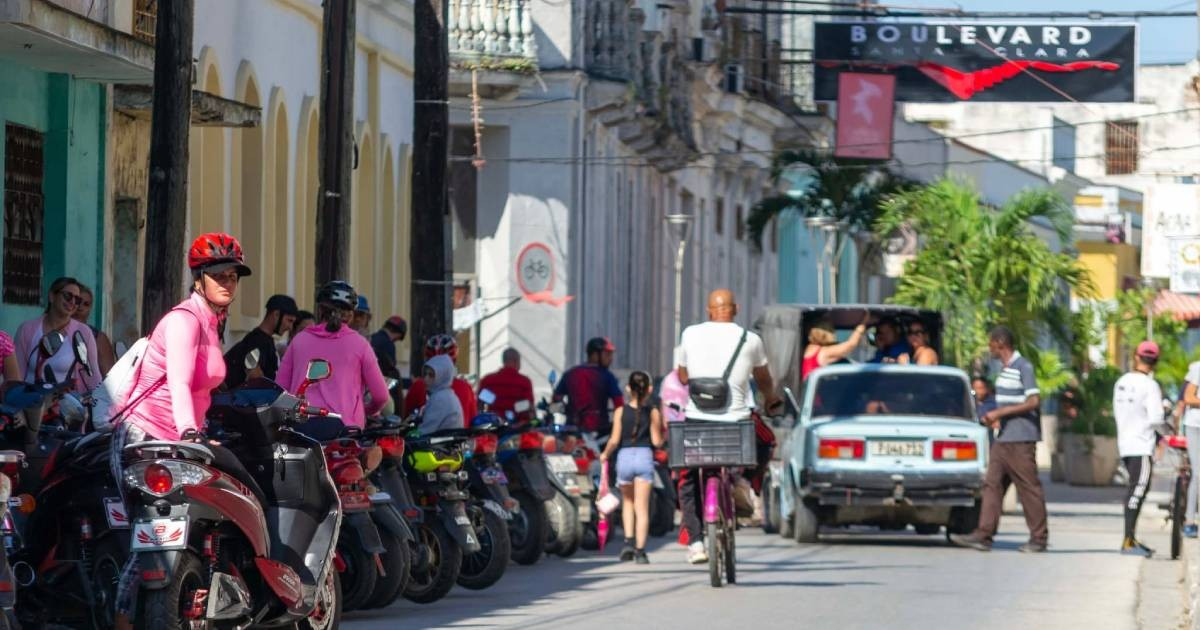
The CARIBE Store Chain in Villa Clara has announced a public bidding process aimed at transferring the management of nearly 20 kiosks and retail spaces to private entrepreneurs, small and medium-sized enterprises (SMEs), and non-agricultural cooperatives.
This initiative includes locations spread across eight municipalities in the province, and interested parties have until September 4, 2026, to submit their proposals, as indicated in a Facebook announcement.
Santa Clara and Surrounding Areas
In Santa Clara, the offer includes the kiosk "El Mercado" at the end of Buenviaje Street and a 17.6-square-meter space in "La Nueva Riviera," located in the 12-Story Building on the Central Highway.
Camajuaní offers the largest number of opportunities, with eight sales points available: "La Quinta," "Las Parrandas," "Nueva Imagen," "Variedades Carmita," "Macagual," "El Modelo," "El Ingenio," and "La Unidad Comercial."
Other Municipalities
In Remedios, five spaces are open for bids: "Las Almendras," "La Mariposa," "El Exclusivo," "El Azucarero," and "Tahón." Cifuentes adds "El Laurel" in Mata and "La Unidad Juvenil" in San Diego del Valle.
The list is completed by "El Framboyán" in Quemado de Güines; "El Placer" in Ranchuelo; "Nazabal" in Encrucijada; and "El Coral" in Caibarién.
Submissions should be made at the Central Division Headquarters, located at Central Highway No. 13, between 2nd and 3rd, Sandino neighborhood, Santa Clara. The bidding requirements can also be reviewed there.
State Ownership Preserved
This call for bids does not entail the privatization of the properties. The state retains ownership of the premises, with only the management being temporarily transferred under the framework set by Resolution 40/2022 by the Ministry of Internal Commerce.
This move in Villa Clara is part of a broader trend where the state has increasingly handed over the management of commercial establishments to private entities due to its struggles to keep them operational.
In July, CIMEX opened bids for 12 retail spaces in Sancti Spíritus, including sales points, cafes, and a warehouse.
A month later, in August, Cienfuegos allowed private management of 47 butcher shops, representing 68% of the province's total, after many had remained closed due to product shortages.
Also in August, Ciego de Ávila launched a bidding process for six grocery stores as part of the "neighborhood markets" project.
CARIBE Stores has employed this strategy in other regions. In March, a property in San Miguel del Padrón, Havana, was put out to bid, followed by two more locations in Holguín in July.
These repeated bids highlight an increasingly evident contradiction in Cuban commerce: while the state retains ownership of the establishments, it relies on the private sector to revitalize them, unable to manage them effectively itself.
Understanding the Cuban Retail Sector Shift
What is the primary goal of the public bidding process by CARIBE in Villa Clara?
The primary goal is to transfer the management of kiosks and retail spaces to private entrepreneurs, SMEs, and non-agricultural cooperatives to revitalize these establishments.
How does the Cuban state maintain control over these retail spaces?
The state maintains ownership of the properties, transferring only their management temporarily to private parties, following the guidelines of Resolution 40/2022 by the Ministry of Internal Commerce.
What challenges does the state face in managing these establishments?
The state faces significant challenges in keeping these establishments operational, with issues such as product shortages leading to closures and inefficiencies in direct management.