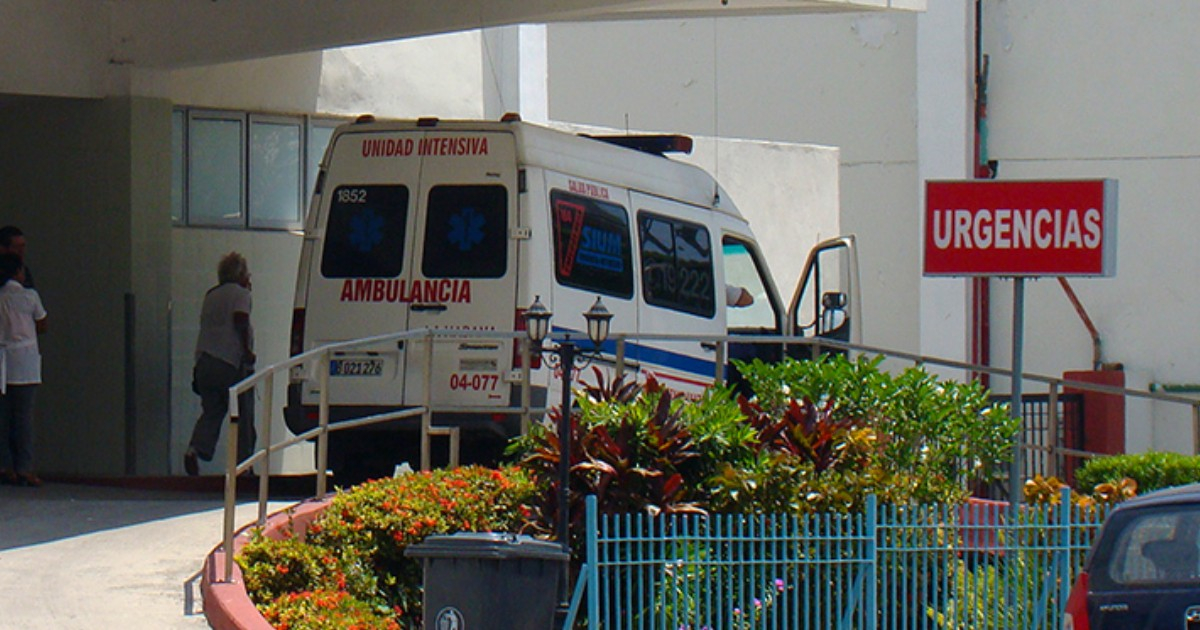
A widespread food poisoning incident on Monday impacted numerous residents of the urban center José Martí Pérez in Santiago de Cuba. According to an official statement from the Public Health Directorate of the province, 52 individuals were treated at the local clinic within a few hours.
Those affected experienced symptoms including abdominal pain, nausea, vomiting, diarrhea, and a tingling sensation in the mouth and hands. Several cases also displayed mild to moderate dehydration.
Out of the 52 patients, 18 were moved to hospitals for closer monitoring: two pregnant women, three children who are not infants, and 13 adults.
Health authorities clarified that none of the patients were in severe or critical condition at the time of the report. However, the presence of pregnant women and children among those hospitalized raises particular concern.
Initially, the symptoms were linked to the consumption of contaminated food. The official note mentioned that the suspected source of the outbreak had been identified, though final confirmation awaited laboratory results.
Representatives from the Party, the Government, and the Health sector in Santiago de Cuba arrived promptly at the scene upon learning of the incident. According to the statement, they are maintaining "close communication with specialists to take appropriate measures and inform the public promptly."
This incident occurs amid a longstanding health crisis in the province. In January, authorities warned of a hepatitis A outbreak related to sewer failures and unchlorinated water distribution.
In April, the provincial government itself acknowledged the deteriorating sanitary conditions: poor environmental sanitation, high Aedes aegypti infestation, and failures in water purification.
At the start of August, just weeks before this outbreak, there were reports of rationed bread distributed in Cuabitas with dark spots and a deformed appearance.
Historically, the province has experienced numerous mass poisoning cases. In December 2024, a child reportedly died in Santiago de Cuba after consuming contaminated salami, although the cause was never officially confirmed.
In September 2025, a diarrheal outbreak on the Manzanillo-Havana train resulted in 25 hospitalizations — 20 adults and five children — due to a contaminated snack sold on board.
In November 2021, around 70 people were poisoned in Santiago de Cuba from drinking water contaminated with sewage waste.
The definitive confirmation of the current outbreak's origin depends on laboratory results, which health officials have promised to release once the analysis is complete.
Understanding the Food Poisoning Crisis in Santiago de Cuba
What symptoms are associated with the recent food poisoning outbreak in Santiago de Cuba?
Affected individuals showed symptoms such as abdominal pain, nausea, vomiting, diarrhea, and tingling in the mouth and hands, along with mild to moderate dehydration.
How many people have been hospitalized due to this outbreak?
A total of 18 individuals, including two pregnant women and three children, have been hospitalized for closer medical supervision.
What steps are being taken by authorities in response to the outbreak?
Officials from the Party, Government, and Health sector are in close contact with specialists to implement necessary measures and keep the public informed.
What is the suspected cause of the food poisoning in Santiago de Cuba?
The outbreak is preliminarily associated with the consumption of contaminated food, although final confirmation is pending laboratory analysis.