Cuban universities are set to commence the 2026-2027 academic year on September 1st, but will do so with fewer on-campus classes, a shift towards municipal-based activities, and increased reliance on remote learning. This change is driven by the country's severe fuel and transportation crisis.
The Ministry of Higher Education (MES) acknowledged in an official statement that the new academic year will begin "amid a national scenario marked by the exacerbation of fuel shortages across the country."
While the government continues to blame the U.S. embargo for the ongoing issues, universities have been adjusting their operations for months to cope with power outages, transportation and fuel scarcities, and connectivity challenges affecting both students and faculty.
Undergraduate education will proceed through a combination of semi-presential and distance learning methods, with physical attendance contingent upon available resources. The MES admits that the organization will "essentially" follow the model used in the previous semester.
A key strategy involves relocating academic activities closer to where students reside. Municipal University Centers (CUM) and Municipal University Branches (FUM) will handle some administrative and instructional responsibilities. In the meet-up courses, physical attendance will be limited to once a month.
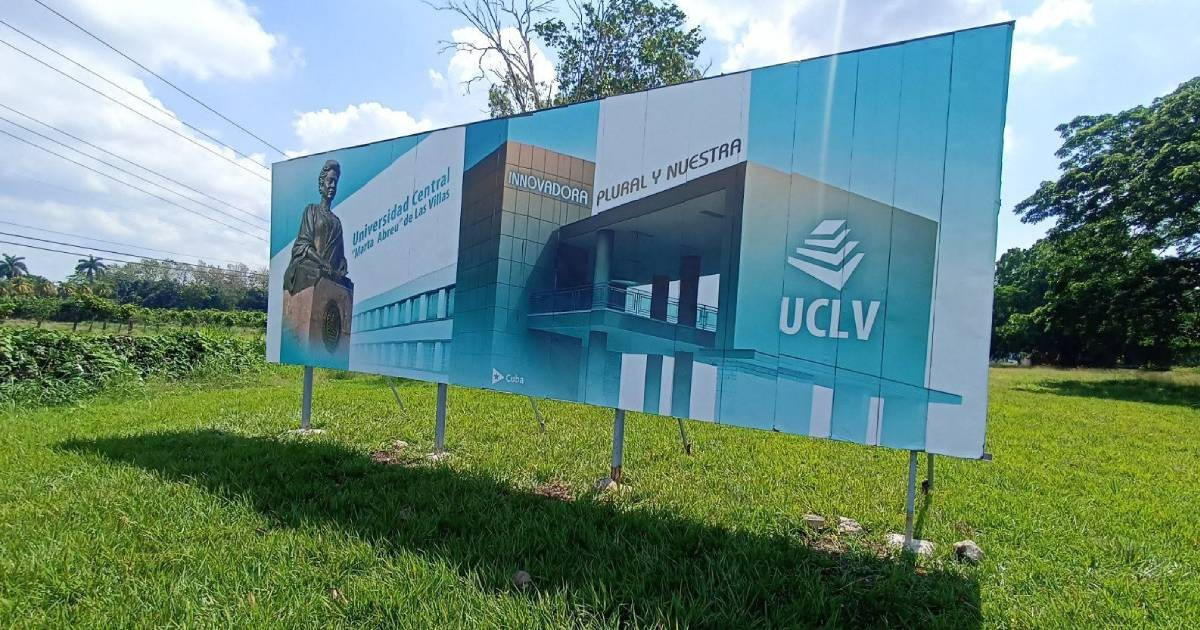
Several universities have already announced their schedules. The University of Camagüey will open enrollment from August 26 to September 18, with first-year classes starting on September 1 and returning students on September 7. The University of Guantánamo will accept enrollments from August 25 to September 15. The University of Artemisa will conduct in-person registration from August 24 to 28. The Agrarian University of Havana has enabled online registration starting this Sunday. The Central University "Marta Abreu" of Las Villas has scheduled enrollment confirmation from August 20 to September 21, warning that failure to confirm will result in withdrawal.
The University of Matanzas plans to alternate blocks: first- and second-year students will attend the main campus from September 1 to 19, while third- and fourth-year students will do so from September 21 to October 9.
In Sancti Spíritus, the university intends to organize weekly concentrations for students from distant municipalities and house them in a residence within a "protected circuit" to ensure electricity and connectivity, Rector Edelvy Bravo Amarante explained to Radio Sancti Spíritus.
This new academic year follows months of significant disruptions in higher education. In February, the University of Havana temporarily suspended in-person classes, and in March, students protested the prolonged blackouts, transportation difficulties, and internet access issues on its steps.
In May, the government advanced the closure of the 2025-2026 academic year, canceled entrance exams, and sent 7,879 scholarship students back to their municipalities due to the fuel shortage.
Despite these challenges, the MES concluded its statement asserting that "Higher Education reaffirms its commitment to the Revolution," as thousands of university students brace themselves for another year marked by blackouts, transportation woes, and increasingly limited in-person attendance.
Understanding Cuba's University Challenges
Why are Cuban universities reducing in-person classes?
Cuban universities are reducing in-person classes due to a severe fuel and transportation crisis, which has made it difficult to maintain regular on-campus activities.
How are universities adapting to the current crisis?
Universities are adapting by shifting to remote learning methods, reducing physical attendance, and moving academic activities closer to students' municipalities.
What measures are being taken to ensure educational continuity?
Measures include utilizing Municipal University Centers, organizing periodic physical meet-ups, and ensuring connectivity and resources for remote learning.