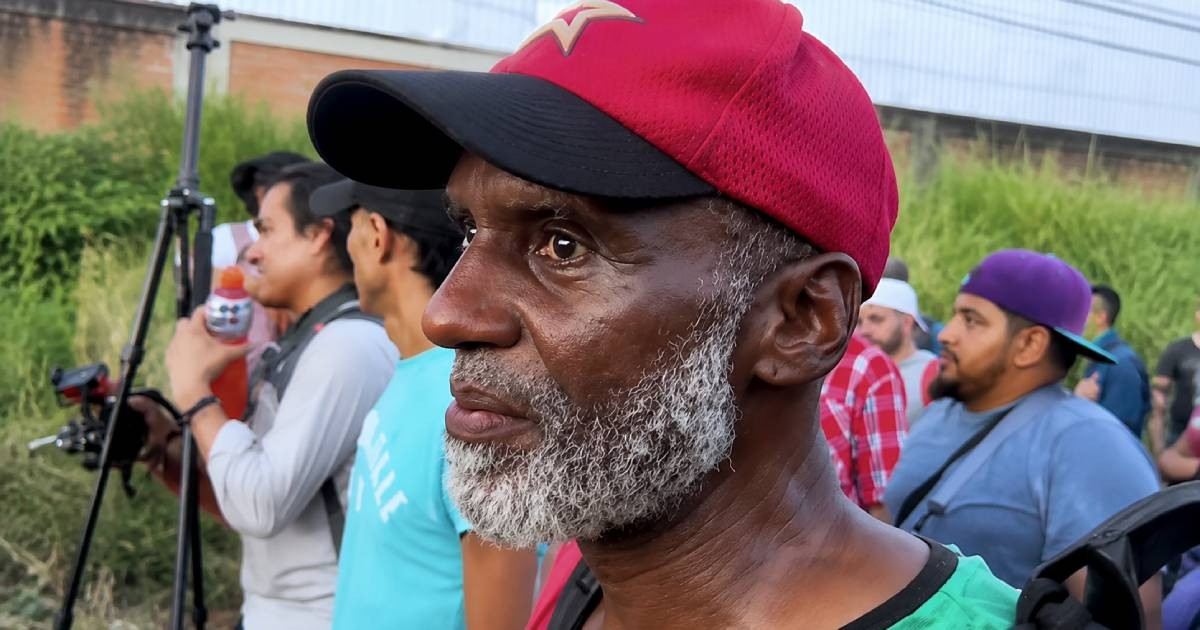
A Cuban national, who chose to leave Tapachula on foot with the "Dreams Without Borders" migrant caravan, described his time in the southern Mexican city as an experience marked by confinement, hardship, and "psychological punishment."
"This is a human prison. In Tapachula, they don't let you go anywhere," stated Francisco Gómez Toro in front of Reuters cameras.
At 60 years old, Gómez Toro was deported to Mexico on May 11 after having lived in Arizona for over three decades, leaving his family behind, according to El País. Upon arriving in Tapachula and running out of money, he found himself occasionally sleeping on the streets.
In addition to financial struggles, the Cuban faces mobility challenges, progressing with the caravan using an improvised cane made from a branch. "I will go as far as my feet allow me, but I cannot stay in Tapachula because this is a prison," he told the Spanish newspaper.
Migrant Caravan Marches On
Gómez Toro is part of the "Dreams Without Borders" caravan, composed of hundreds of migrants heading from Tapachula to Mexico City due to delays in their immigration processes and lack of livelihood opportunities. Estimates suggest the group consists of over 600 to about 800 participants.
Among them are migrants from Cuba, Haiti, Venezuela, and several Central American countries.
Economic Struggles and Hopes for a New Start
Another Cuban, Santos Sanabria, explained to CNN en Español that he decided to leave because of low wages and the high cost of living.
"There's no work here; you work, and from what you earn, they give you $200, and that $200 is gone on a meal," he pointed out.
Sanabria plans to settle in Mexico City, where a friend offered him a job as a truck driver.
Escalating Migration Pressure
The caravan's departure comes amid increasing migration pressure at Mexico's southern border. Organizations estimate that approximately 65,000 migrants remain stranded in the area, many awaiting the resolution of their legal status.
For Cubans, the situation worsened in August when the Mexican Commission for Refugee Assistance (Comar) tightened its criteria for assessing applications, demanding stronger evidence of real and sustained persecution.
The desperation was also evident earlier this month when about 40 Cubans staged a riot at the Siglo XXI Migration Station in Tapachula after learning they would be deported.
Frequently Asked Questions About Migrant Challenges in Tapachula
Why did Francisco Gómez Toro describe Tapachula as a "human prison"?
Francisco Gómez Toro described Tapachula as a "human prison" due to the restrictions on movement and the feeling of confinement experienced by migrants in the city.
What challenges do migrants face in Tapachula?
Migrants in Tapachula face challenges such as delays in immigration processes, lack of job opportunities, and difficult living conditions, leading to a sense of confinement and frustration.
How has the situation for Cuban migrants changed in recent months?
The situation for Cuban migrants has become more complex after the Mexican Commission for Refugee Assistance (Comar) tightened its criteria for evaluating asylum applications, requiring more robust proof of persecution.