As of August 16 this year, Spain has identified 119 chikungunya cases, nearly tripling the 42 cases reported during the same period in 2025, according to the National Epidemiological Surveillance Network, as mentioned by La Razón. Among the cases with known origins, 54 came from Bolivia and 20 from Cuba.
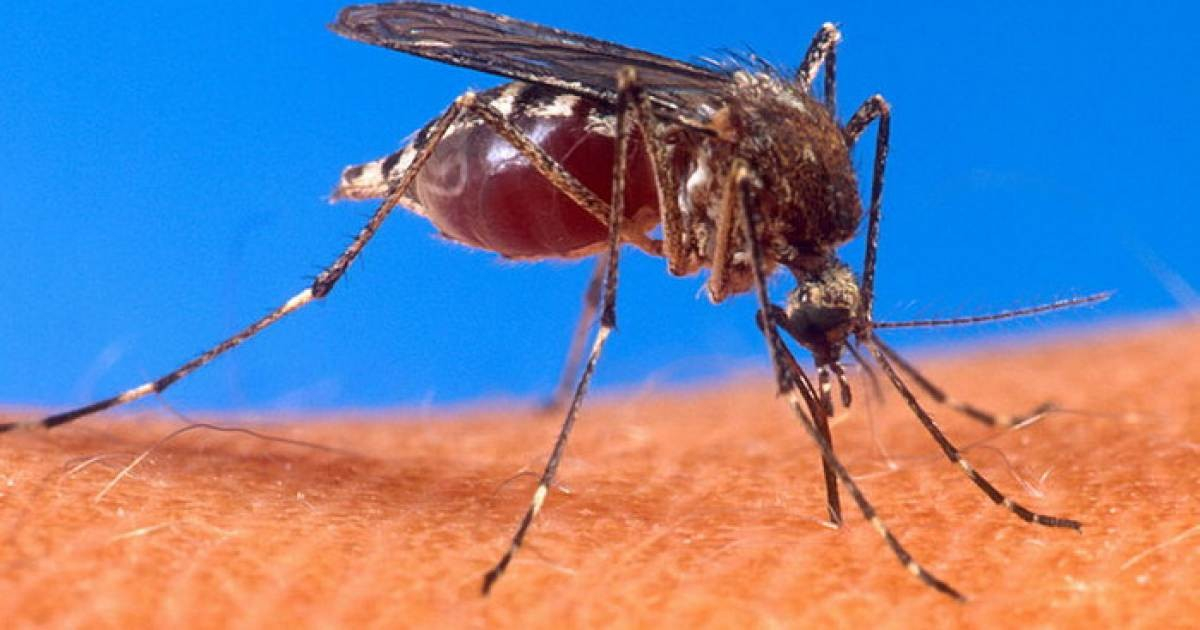
All infections are imported, with none originating in Spain. However, the rise in cases has prompted health officials to intensify monitoring of the Aedes albopictus mosquito, the primary carrier of the disease, which is prevalent in many parts of the country, particularly along the Mediterranean coast.
The regions most affected include Catalonia, with 30 cases, followed by the Valencian Community with 27, and Madrid, reporting 13 cases.
Concerns About Local Transmission
Epidemiologists are primarily concerned about the potential for the virus to shift from imported to locally transmitted. This could happen if a local tiger mosquito bites an infected individual and then transmits the virus to a healthy person. Spain has previously recorded local transmission of dengue, and France recently informed the European Centre for Disease Prevention and Control about one local dengue case and 15 local chikungunya cases.
Federico Arribas, from the Spanish Society of Epidemiology's Training Group, acknowledges the risk but emphasizes, "When such cases arise, our healthcare system manages them very effectively."
Cuba's Role in the Spread
Cuba's situation is crucial to understanding the origin of these imported cases. The island experienced a significant chikungunya outbreak starting in July 2025 in Matanzas, which spread to 15 of its 16 provinces.
The Pan American Health Organization reported in February 2026 that there were 51,217 suspected cases, 1,959 lab-confirmed cases, and 46 deaths by the end of 2025. An additional 1,457 cases and two deaths were reported in January 2026.
The scale of the outbreak positioned Cuba as a key exporter of the virus in the Western Hemisphere. The GeoSentinel network recorded 111 travelers contracting chikungunya in Cuba between September 2025 and January 2026, 64.2% of whom were potentially viremic upon returning to their home countries, highlighting the genuine risk of international spread.
Prevention and Public Responsibility
In January 2026, Argentina identified an imported case in a 47-year-old woman from Córdoba province who had traveled to Cuba, indicating the island was exporting the virus to other regional nations.
In Spain, the tiger mosquito is active from April to November, coinciding with the peak summer travel season, marking this period as the highest risk for local transmission.
With no chikungunya vaccine available, authorities advise removing standing water around homes, using insect repellent, wearing long sleeves and pants, and being especially careful at dawn and dusk. Travelers experiencing symptoms like high fever, severe joint pain, or headaches after a trip should seek medical attention and disclose their travel history.
"As citizens, we have a responsibility to protect our health," Arribas advises, recommending travelers check the epidemiological status of their destination and visit an International Vaccination Center for guidance before traveling.
Understanding Chikungunya and its Impact
What is the main vector for chikungunya in Spain?
The primary vector for chikungunya in Spain is the Aedes albopictus mosquito, also known as the tiger mosquito.
How can individuals protect themselves from chikungunya?
Individuals can protect themselves by eliminating standing water near their homes, using insect repellent, wearing protective clothing, and being cautious during dawn and dusk.
Why is Cuba a significant concern in the spread of chikungunya?
Cuba experienced a large chikungunya outbreak, making it a major source of the virus in the Western Hemisphere, which contributes to the spread through international travel.