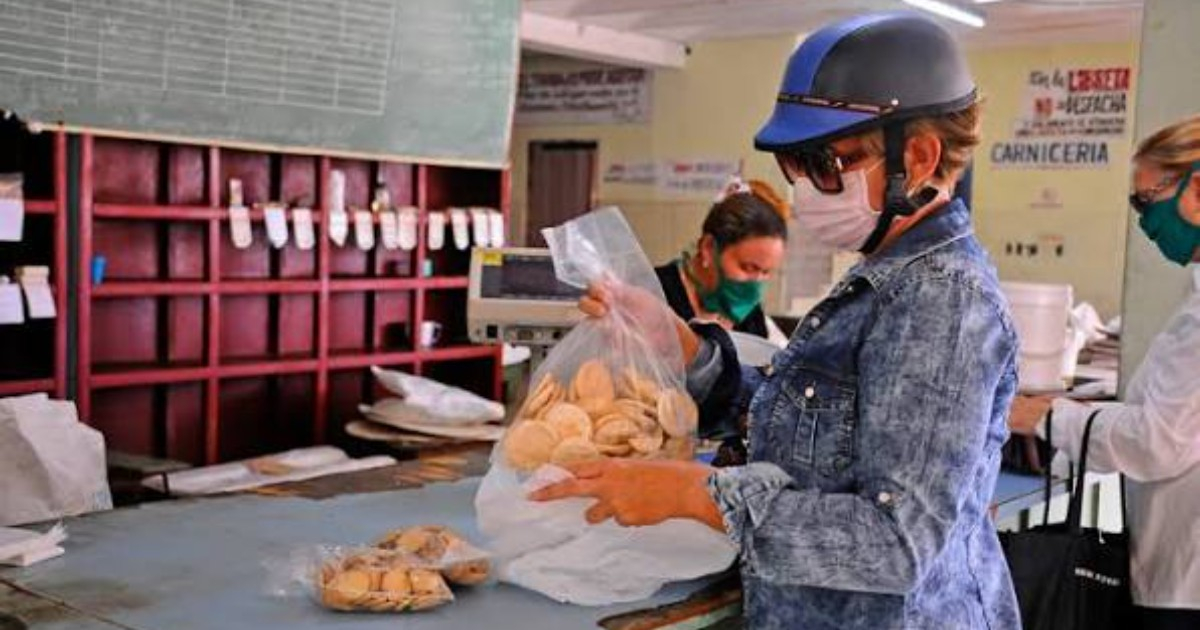
The Municipal Commerce Company of Ciego de Ávila has initiated a public bidding process to transfer the management of six local stores to non-state economic entities, as part of the "Neighborhood Market" initiative being expanded across various regions by the Cuban government.
According to the official announcement from the Ciego de Ávila Business Group of Commerce, the stores included in this process are El Sueño, La Amarilla, La Afortunada, La Paz, La Cubana, and La California. Interested parties have ten business days to submit their proposals to the Municipal Commerce Directorate located at Chicho Valdés between Maceo and H. Castillo, number 56.
This opportunity is open to companies, micro, small, and medium-sized enterprises (MSMEs), non-agricultural cooperatives, self-employed individuals, foreign investment modalities, and other authorized actors.
While the state retains ownership of the properties, what is being tendered is solely the administration of these facilities.
The Concept of "Neighborhood Market"
Established under Resolution 16/2026 by the Ministry of Domestic Trade (MINCIN), led by Betsy Díaz Velázquez, and published in the Official Gazette No. 64 on August 4, 2026, the "Neighborhood Market" concept introduces a mixed management model. This allows non-state actors to manage retail establishments under state supervision.
Guidelines for these tendered stores include the implementation of "controlled or regulated sales, depending on the product type, demand, and availability."
Operational and Contractual Details
The operations are expected to be conducted in Cuban pesos, with an emphasis on promoting electronic commerce — including payment options from abroad — and prioritizing the physical restoration of the locations, such as installing alternative energy sources.
The contractual relationship between the state-owned company and the successful non-state bidder can be formalized through service administration contracts, consignment, purchase-sale agreements, or supply contracts, or via an economic association under Decree-Law 114/2026, which regulates the interactions between state and private business entities.
This initiative in Ciego de Ávila is part of a broader strategy that the government is rolling out nationwide.
A Nationwide Trend
The "Neighborhood Market" pilot program commenced in Plaza de la Revolución, Havana, on July 23, 2026. Shortly thereafter, on August 15-16, Cienfuegos announced the bidding of 47 out of its 69 butcher shops to non-state actors under a similar model.
The backdrop to these measures is the effective collapse of the ration book system, in place since 1962, which is struggling with chronic product shortages and a lack of funding.
As of June 2026, the government declared that the rationed basket would no longer be universal, reserving it for retirees, individuals with chronic illnesses, and those in vulnerable situations.
The government-aligned Granma newspaper reports that the "Neighborhood Market" model aims to offer prices 10% to 15% lower than comparable establishments, though independent verification of these figures is lacking.
Fiscal incentives include a 5% sales tax discount for non-state actors and a full tax exemption for wholesale sales related to the project.
Frequently Asked Questions about the Neighborhood Market Initiative
What is the purpose of the Neighborhood Market initiative?
The initiative aims to introduce a mixed management model where non-state entities can manage retail stores under state supervision, helping to alleviate product shortages and modernize commerce.
Who can participate in the bidding process?
Eligible participants include companies, micro, small, and medium-sized enterprises, non-agricultural cooperatives, self-employed individuals, foreign investment modalities, and other authorized actors.
What are the main benefits for non-state actors?
Non-state actors benefit from potential fiscal incentives, including a 5% sales tax discount and full tax exemption for wholesale sales, as well as the opportunity to manage and modernize retail operations.