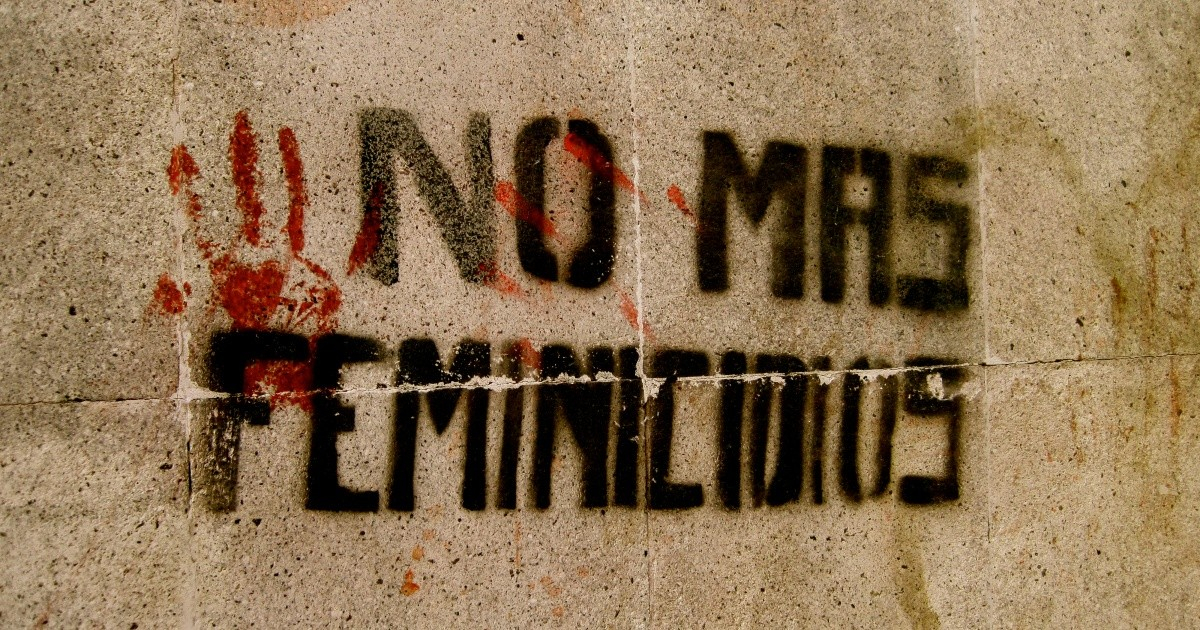
The Cuban Observatory for Gender Equality (OCIG), under the National Office of Statistics and Information (ONEI), recently released official data on gender-based violence in Cuba. In 2025, 49 women aged 15 and older were victims of femicide, with their cases being tried in court. This represents a rate of 1.19 per 100,000 women.
This data comes from the Complementary Statistical Information Subsystem of the Supreme People's Court (SIEC-TSP), which has now made public the figures for cases processed judicially in 2025. However, these statistics only account for crimes that reached the judicial system, indicating a delay between the occurrence and the legal proceedings.
The report highlights that Havana recorded the highest number of cases with 12, followed by Mayabeque, Camagüey, and Holguín, each with six, and Santiago de Cuba with five cases.
Disturbing Trends in Femicide Cases
Some of the most alarming findings reveal that 46.9% of the victims were killed by a former partner, 75.5% were not employed at the time of their death, and in 89.7% of the cases, the crime occurred in the victim's own home. Furthermore, 32 victims had young children, leaving 54 minors motherless.
The age group most affected was between 20 and 44 years, accounting for 38 victims. Urban areas saw more cases (33) than rural areas (16), although the rural rate was higher, at 1.65 per 100,000 women.
Comparative Analysis and Ongoing Concerns
The 2025 figure shows a decrease from 76 cases tried in 2024, which had a rate of 1.79, and 60 cases in 2023, with a rate of 1.37. However, independent observatories caution that this decline in judicial data does not necessarily reflect a genuine improvement.
By the end of 2025, the Alas Tensas Gender Observatory (OGAT) and Yo Sí Te Creo en Cuba (YSTCC) verified 48 femicides, considering this a significant underreporting, especially as many deaths go undocumented during the island's frequent blackouts.
Escalating Crisis in 2026
What is undeniably clear is the trend for 2026: as of August 2, OGAT recorded 46 femicides for the year, marking an alarming increase of about 112% compared to the same period in 2025. Since 2019, the observatory has documented 359 femicides in Cuba, with a consistent pattern: 83.3% are committed by partners or ex-partners, 64.6% involve knives, and 62.5% occur at the victim's home.
The situation is exacerbated by structural issues: Cuba lacks comprehensive gender violence legislation, femicide is not defined as a standalone crime in the Penal Code effective since December 2022, and there are no dedicated shelters for women at risk.
In April 2026, YSTCC ceased operations due to resource shortages, leaving OGAT as the sole active independent observatory monitoring femicides in Cuba. "These preventable deaths clearly demonstrate the urgent need for shelters in Cuba to protect women, their children, families, and the community. In the face of a femicide, specialized protection structures are essential," warned OGAT in August 2026.
Frequently Asked Questions About Femicide in Cuba
What is the current femicide rate in Cuba?
In 2025, the femicide rate in Cuba was 1.19 per 100,000 women, based on 49 cases that were tried in court.
Which Cuban regions reported the highest femicide cases in 2025?
Havana reported the highest number of cases with 12, followed by Mayabeque, Camagüey, and Holguín with six each, and Santiago de Cuba with five.
Why is there concern about the accuracy of femicide statistics in Cuba?
Independent observatories like OGAT and YSTCC suggest that official statistics may underreport the true number of femicides, as many cases remain undocumented, particularly during blackouts.