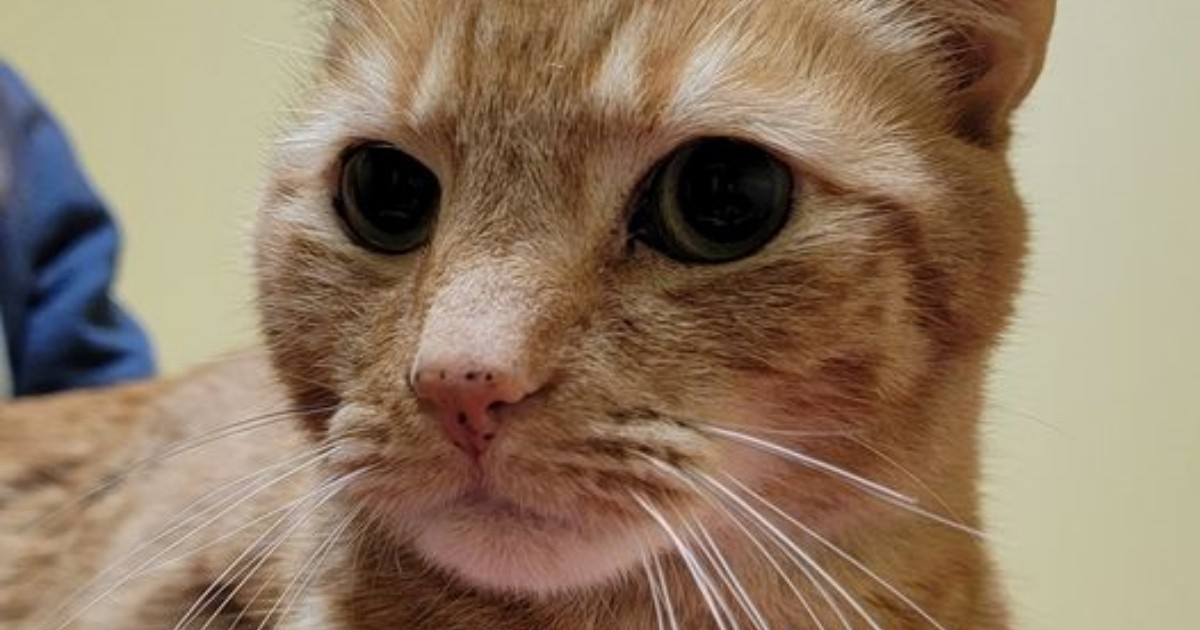
A highly contagious strain of feline panleukopenia, also known as feline parvo, is swiftly spreading throughout South Florida this summer. The virus has led to an unprecedented number of cat fatalities in Miami-Dade and Broward counties, a situation described by experts as highly unusual.
Miami-Dade Animal Services has reported 216 confirmed cases so far, while Broward County Animal Care has been forced to quarantine its cat areas eight to ten times this season due to the surge in infections.
What sets this outbreak apart from previous ones is that the current strain is affecting not just kittens—traditionally the most susceptible—but also adult cats.
"Feline panleukopenia is a highly infectious and often fatal parvovirus that spreads rapidly. It has long been common among young kittens, but we're now seeing a different strain that is also impacting adults," explained Amy Dombkowski, a veterinary technician at Purrr Adoption & Sanctuary in Pembroke Park, which shelters over 200 cats, in an interview with Local 10.
Experts attribute the virus's spread to two main factors: the extreme summer heat in South Florida and the chronic overpopulation of stray cats in the area, which facilitates transmission among unvaccinated animals.
The virus's incubation period ranges from two to seven days, meaning a cat can spread it before any visible symptoms appear. Once symptoms such as loss of appetite, dehydration, vomiting, diarrhea, and lethargy manifest, the outcome can be rapid and deadly, with many animals dying within 24 to 48 hours.
Deborah Pachano, from Pretty Kitty Rescue in Miami, who has dedicated years to feline rescue, acknowledged the severity of the situation. "We usually see a few cases each year, and that's completely normal, but we've never encountered anything like this," Pachano noted. "I've overcome many cases in the past, but this particular strain has taken them away very quickly."
Specialists have noticed that this strain of the virus is adapting and becoming more robust.
Another concerning factor is the risk of indirect transmission: while the virus does not infect humans, people can mechanically carry it on their clothing, hands, or surfaces, unknowingly spreading it to other cats.
There is no antiviral cure for feline panleukopenia; treatment is purely supportive, and by the time symptoms appear, it is often too late. Vaccination remains the only effective preventive measure. The FVRCP vaccine, which protects against panleukopenia, feline herpesvirus, and calicivirus, is available at Purrr Adoption & Sanctuary for $25 per injection, with a series of three doses recommended.
"Even one dose can help. Two provide more protection, and three really solidify it," stated Tanya Lynn Heller, the founder of the organization.
The issue is not new to the region: in July 2025, Broward County Animal Care temporarily halted the intake of stray cats due to an earlier panleukopenia outbreak. Similarly, in July of this year, Friends of Strays in Pinellas County suspended their feline intake services for the same reason.
However, this summer's outbreak is surpassing previous incidents in both scope and severity.
Understanding the Feline Panleukopenia Outbreak in South Florida
What is causing the spread of feline panleukopenia in South Florida?
The spread of feline panleukopenia in South Florida is attributed to extreme summer heat and the overpopulation of stray cats, which facilitates transmission among unvaccinated animals.
How does the new strain of panleukopenia differ from previous ones?
Unlike previous strains, the current strain of panleukopenia affects both kittens and adult cats, making it more virulent and deadly.
Can humans contract feline panleukopenia?
No, humans cannot contract feline panleukopenia. However, they can carry the virus on their clothing, hands, or surfaces and transmit it to other cats.
What is the recommended prevention method for feline panleukopenia?
Vaccination is the only effective prevention method for feline panleukopenia. The FVRCP vaccine is recommended, requiring a series of three doses for optimal protection.