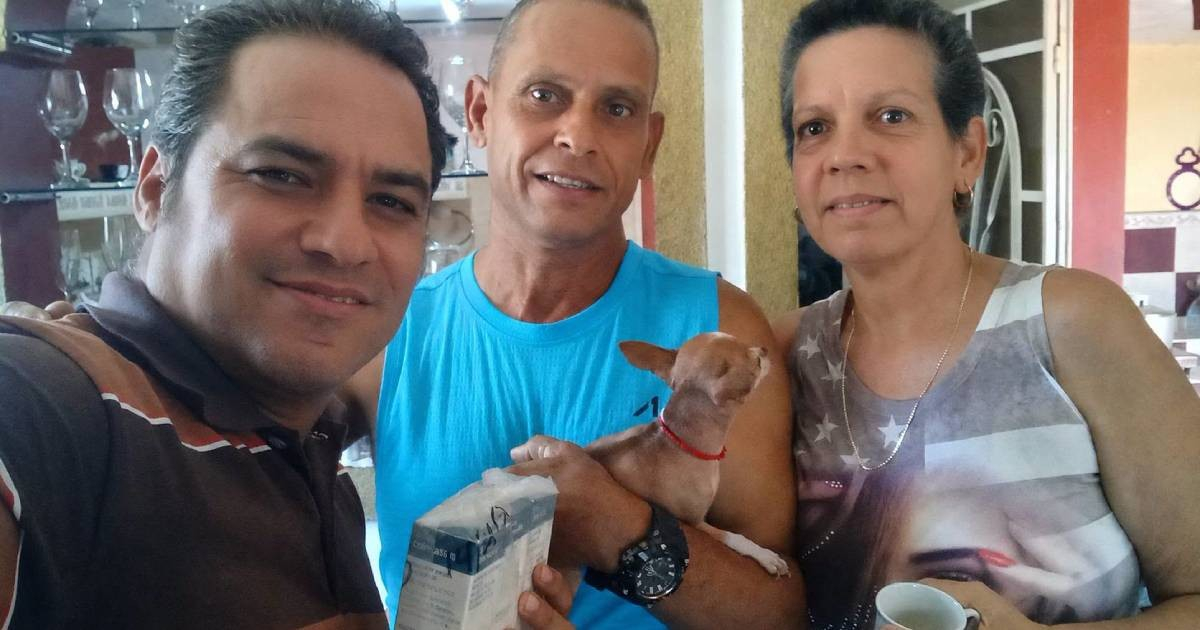
A couple from Pedro Betancourt, located in Matanzas, made the generous decision to forgo hundreds of dollars to aid a family desperately seeking medication for their father's cancer treatment.
José Luis and Liset donated three vials of cisplatin, a chemotherapy drug, after learning about the plea for help from Leidi Ramírez, the patient’s daughter, through social media.
The drugs, valued at around $130 per vial on the informal market, were given away by the couple without any expectation of compensation.
The Personal Story Behind the Generosity
Behind this act of kindness lies a personal journey—Liset had previously undergone cancer treatment, and the vials remained after her recovery. Now in good health, she chose to use them to give someone else a chance to continue their treatment.
The story was shared by journalist and activist Yaudel Rodríguez Vento, who had earlier posted Leidi’s call for help on Facebook.
Community Support and Response
The request mobilized several individuals until José Luis and Liset stepped forward. Rodríguez Vento, along with supporters Odalis, Yunieski, and Yoli, traveled to Pedro Betancourt to collect the medication, ensuring swift delivery to the family.
“Today, I hold these medications, part of the treatment needed by Leidi Ramírez’s father. I will deliver them soon because every hour is crucial when waiting for medicine to combat an illness,” he wrote.
Humanity Amidst Crisis
Leidi’s reaction underscored the significance of the help received by her family, who had been searching for a solution for days.
“I’m overwhelmed and speechless. As the desperate daughter, all I can say is that there are still good people in this world,” she commented.
Rodríguez Vento noted that José Luis and Liset, married for 40 years, met during their time working in the fields. He described them as “authentic country folks with pure and noble hearts.”
A nephew of the couple confirmed that their generous spirit was no surprise to those who know them.
“My uncle José and aunt Liseth, noble and enterprising people, have always given everything, not just what they can spare,” he shared.
Challenges of Accessing Medicine in Cuba
Their gesture is even more significant amid the severe shortages plaguing Cuba’s healthcare system. At the mentioned prices, the three vials would cost around $390, a steep amount for most Cuban families.
For José Luis and Liset, however, the true worth lay in their ability to help another face cancer, using the same medications that once supported Liset’s battle.
The situation highlights a growing trend in Cuba: families turning to platforms like Facebook and WhatsApp to find medications unavailable in hospitals and pharmacies.
Cisplatin is among the cytostatics whose scarcity has been acknowledged by Cuban authorities for years, part of a broader deficit of essential drugs.
The crisis reached critical levels in 2026 when BioCubaFarma admitted difficulties in supplying nearly 300 of the 395 medications required by the National Health System.
By August, President Miguel Díaz-Canel acknowledged that only about 30% of the basic medication list was available, a dire situation for those needing continuous treatment.
The shortage is particularly dire for cancer patients, as delays in obtaining medication can interrupt or postpone crucial treatment cycles.
Informal networks of solidarity have emerged, where families, friends, emigrants, and strangers seek, buy, or donate medications. One person recounted a recent experience where their family needed $2,000 for a 13-year-old cousin’s medication in Camagüey, raising the funds in just three hours through social media networks.
“These cytostatics are hard to find, and when available, they’re pricey,” noted another user.
Stories like Leidi’s reveal the human face of a healthcare crisis where obtaining medication increasingly depends on money, relatives abroad, or the luck of having a request reach a willing helper.
This time, the appeal reached a Matanzas couple who intimately understood the battle against cancer.
Rodríguez Vento encapsulated José Luis and Liset’s gesture with a powerful sentiment:
“They didn’t give away something they didn’t need. They gave away something that could have meant a lot to them. They gave away hope.”
Addressing the Healthcare Crisis in Cuba
What challenges do Cuban families face in accessing cancer medications?
Cuban families often struggle to access cancer medications due to severe shortages in the healthcare system, forcing them to turn to social media and informal networks to find the drugs they need.
How did José Luis and Liset contribute to helping a family in need?
José Luis and Liset donated three vials of cisplatin, a chemotherapy medication, to a family in need, choosing to help rather than sell the valuable drug on the informal market.
What role do social media and informal networks play in Cuba's healthcare crisis?
Social media and informal networks have become crucial for Cuban families to locate and acquire medications that are unavailable through official channels, providing a vital lifeline amidst the healthcare crisis.