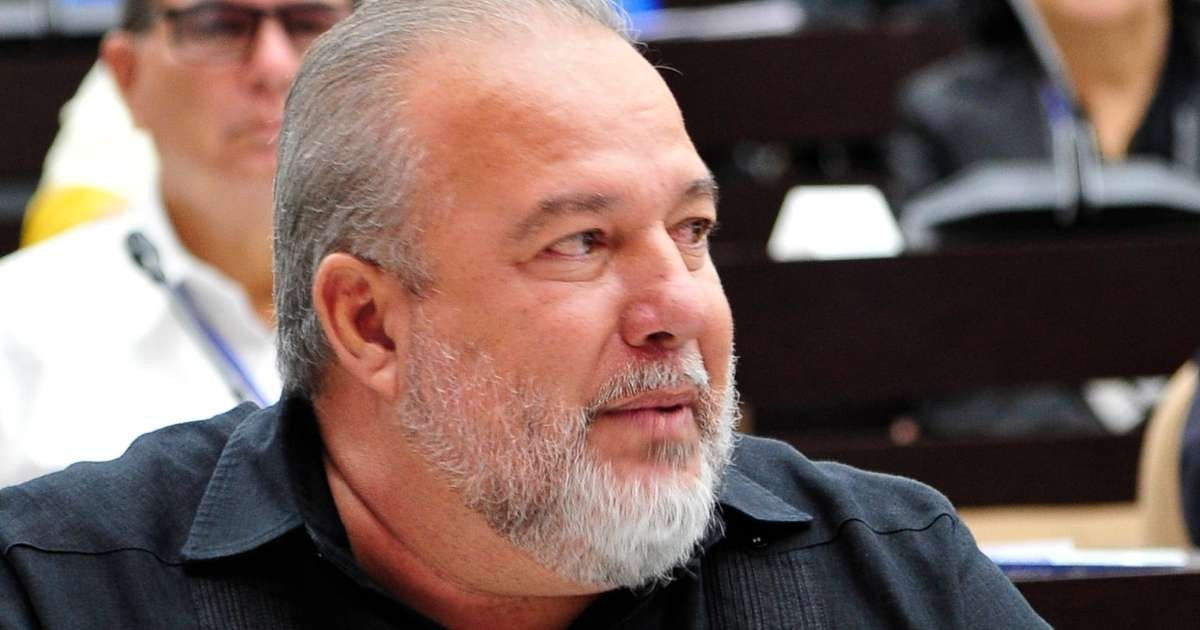
Cuban Prime Minister Manuel Marrero Cruz invoked a 19th-century historical event this Monday to deliver a patriotic-revolutionary message. On his social media account, he commemorated the 156th anniversary of the execution of Pedro "Perucho" Figueredo, the composer of Cuba's National Anthem, quoting the phrase attributed to Figueredo as he faced the firing squad.
"156 years after the execution of Perucho Figueredo, creator of our Bayamo Anthem, 'the homeland looks at you with pride,' because as he himself declared shortly before his fall, 'to die for the homeland is to live,'" Marrero Cruz wrote, accompanying his message with the hashtag #CubaViveEnSuHistoria.
The Legacy of Pedro Figueredo
Pedro Felipe Figueredo Cisneros was born in Bayamo on February 18, 1818. An attorney, musician, and mambí fighter, he composed the melody of "La Bayamesa" in 1867 and penned its lyrics on October 20, 1868, when the independence forces seized Bayamo at the onset of the Ten Years' War.
According to Cuban historical tradition, Figueredo crafted the verses on horseback, responding to the popular demand following the mambí triumph. The most famous stanza of the anthem urges, "To battle, people of Bayamo, / for the homeland looks at you with pride. / Fear not a glorious death, / for to die for the homeland is to live."
Figueredo's Role in the War
The Ten Years' War, Cuba's first major independence conflict against Spain, began with Carlos Manuel de Céspedes' Grito de Yara on October 10, 1868, and Figueredo played an active role until his capture. Ill and weakened, he was captured by Spanish troops in August 1870 and taken to Santiago de Cuba, where he was sentenced to death and executed on August 17, 1870, at the age of 52.
Standing before the firing squad, Figueredo reportedly shouted, "To die for the homeland is to live!" turning that line from the anthem into a lasting symbol of his martyrdom.
Historical and Political Context
The Constituent Assembly adopted "La Bayamesa" as the Cuban National Anthem on November 5, 1900. In its current official form, only the first two stanzas are sung.
Marrero's message aligns with the Cuban regime's common practice of referencing 19th-century figures and events to bolster its narrative of revolutionary resistance and continuity, a trend particularly pronounced in 2026, designated as the centennial year of Fidel Castro.
Just two days earlier, the prime minister proclaimed on the same platform that "Fidel lives wherever truth and justice are defended," concluding his August 13 posts with slogans like "Long live Fidel! Homeland or death, we shall overcome!"
Despite these efforts, Marrero's tweet about Figueredo garnered a mere 301 views and a single "like," with no comments, highlighting the limited impact these official proclamations have among social media users.
Understanding the Historical Context of Cuba's National Anthem
Who was Pedro Figueredo and what is his significance?
Pedro Figueredo was a Cuban lawyer, musician, and revolutionary known for composing the melody and lyrics of "La Bayamesa," Cuba's National Anthem. His words and actions during the Ten Years' War made him a symbol of patriotism and resistance.
What was the Ten Years' War?
The Ten Years' War, from 1868 to 1878, was the first large-scale attempt by Cuban patriots to gain independence from Spanish colonial rule. It began with the Grito de Yara, led by Carlos Manuel de Céspedes, and involved significant battles and sacrifices by figures like Pedro Figueredo.