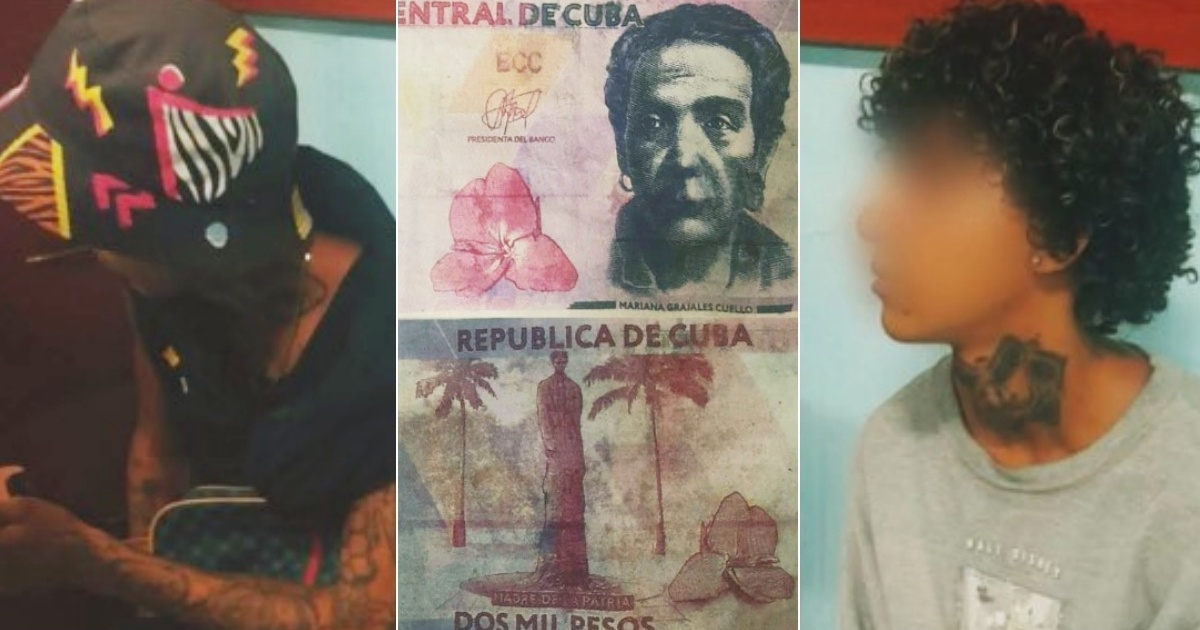
During the San Joaquín Festivities in Guantánamo, two young individuals were apprehended after attempting to pay with a counterfeit 2,000 Cuban peso bill in the plaza 28 de Septiembre area, as reported by the pro-government Facebook page "Guantánamo y su Verdad."
The arrest was made possible due to a report from a self-employed worker who identified the suspicious bill. The two suspects are currently under police investigation as authorities delve deeper into the matter.
What makes this incident particularly noteworthy is the denomination of the counterfeit bill. The Central Bank of Cuba only introduced the 2,000 and 5,000 peso bills a few months ago, in April 2026, amid widespread skepticism due to the island's ongoing liquidity crisis. The fact that these denominations are being counterfeited in less than four months highlights the rapid pace at which fraudsters adapt to new currency issues.
The same Facebook page had previously warned the public about counterfeit bills—specifically the 500 and 1,000 peso notes—also discovered in the province.
Guantánamo: A Hotspot for Counterfeiting
The province of Guantánamo has recently built a track record of counterfeit currency scams. In July, alerts surfaced about 1,000 peso counterfeit bills crafted from authentic 200 peso bills, unsettling the Sur Hospital area. Just weeks later, new warnings emerged about 500 peso bills being counterfeited over five peso notes, with detectable irregularities visible to the naked eye.
The most severe case occurred in November 2025, when authorities dismantled a nationwide network of counterfeiters dealing in fake dollars, resulting in eight arrests and an estimated fraud of nearly six million pesos and 1,000 dollars.
The Ideal Setting for Fraud
The San Joaquín Festivities, held from August 15 to 17, attracted large crowds and numerous nighttime transactions, creating a fertile ground for fraudulent activities. Additionally, the widespread reluctance to accept electronic transfers in informal commerce necessitates the handling of large volumes of cash.
One commentator summarized, "Considering the refusal to accept transfers and high prices, it's surprising this didn't happen sooner. I can imagine the cashier counting and checking each bill, especially at night. That's one of the risks of handling cash."
Public Reaction: Tough Measures or Presumption of Innocence?
The incident sparked a heated public debate. Some citizens called for harsh penalties: "Let the full weight of the law fall upon them, let no one hesitate," wrote one user; another was more blunt: "Zero tolerance. Get tough on these criminals."
Others urged an investigation into the source of the counterfeit bills: "How quickly that bill was invented. Get to the root of the problem." There was also a recurring question about why official publications obscure the faces of those involved: "Why do they always cover their faces? Let the people know who they are to prevent further victimization."
Severe Penalties for Counterfeiting
The Cuban Penal Code punishes the counterfeiting, alteration, introduction, or circulation of currency with imprisonment ranging from four to ten years. This law encompasses both the production and possession of counterfeit bills for circulation purposes. Authorities have urged merchants and self-employed individuals to meticulously verify high-denomination bills and promptly contact the police if any suspicion arises.
Key Questions About Counterfeiting in Cuba
What is the penalty for counterfeiting currency in Cuba?
In Cuba, counterfeiting currency can lead to imprisonment ranging from four to ten years, depending on the severity of the crime.
Why are large denominations like 2,000 pesos being counterfeited?
Large denominations are targeted for counterfeiting because they allow fraudsters to pass off a higher value with fewer bills, making it a more lucrative endeavor.