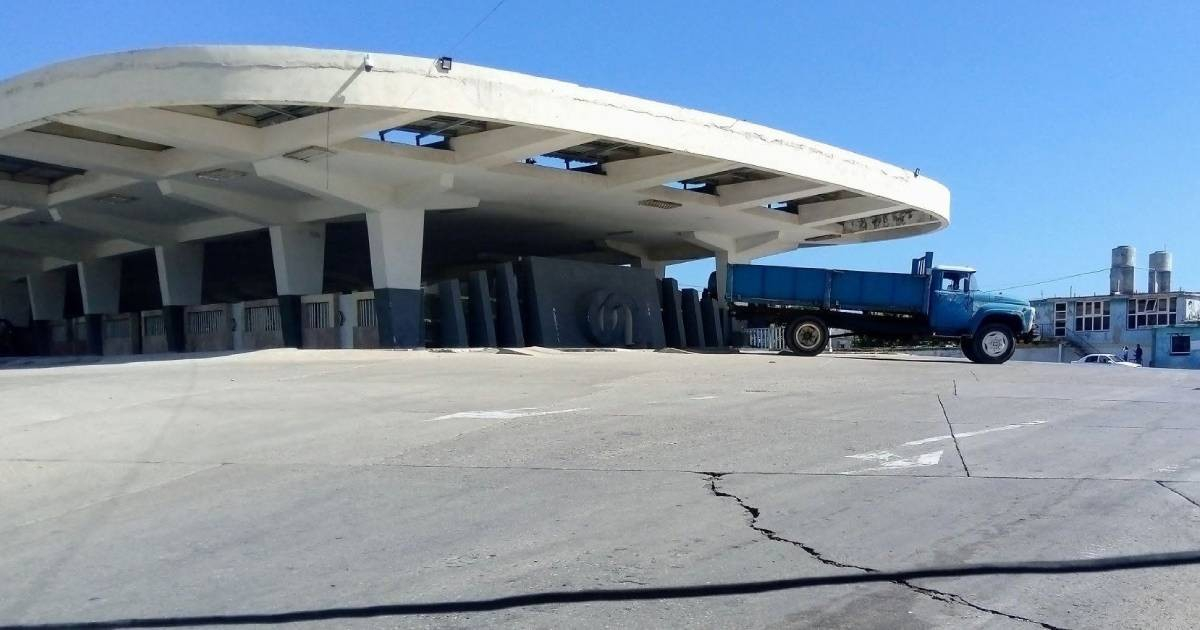
A photograph of Havana's National Bus Terminal, eerily empty, has struck a chord with Cubans who fondly recall a time when the terminal was bustling with buses and travelers at all hours.
Captured by photographer Agustín Batista and shared on Facebook last Monday, the image reveals an absence of buses, with just a solitary blue truck beneath the distinctive circular concrete canopy.
Batista captioned the photo with a single word: "DESERTED," attributing the scene to an "energy blockade and the resulting fuel shortage."
"I can't help but think back to my university days and beyond, when this same terminal was constantly filled with buses arriving from or departing to every corner of the archipelago, 24/7," he reminisced.
The Impact of an Empty Terminal
The post sparked memories among those who relied on the terminal for travel between Havana and other provinces over the years.
"That terminal was always crowded. I spent five years commuting between Ciego and Havana. It makes you want to cry," shared one Cuban woman. Another recalled when interprovincial fares were just 11 pesos, and buses were readily available without long waits.
Transportation Crisis Deepens
The image highlights a mobility crisis that worsened in 2026 due to a severe fuel shortage and the decline of public transportation.
For months, Cuba faced disruptions in its regular petroleum imports following the halt of shipments from Venezuela and Mexico. Although a Russian shipment of approximately 730,000 barrels arrived in late March, reserves quickly depleted again.
In May, Energy and Mines Minister Vicente de la O Levy acknowledged the dire situation, stating the country had "absolutely no" diesel or fuel oil to maintain the electrical system.
Transportation has been one of the hardest-hit sectors. In February, Havana's urban services came to a halt due to fuel shortages, and by June, the Ministry of Transport significantly reduced interprovincial connections.
Drastic Reductions in Services
National Buses between Havana and provincial capitals decreased from daily services to just three times a week, while routes to Baracoa, Manzanillo, and Moa were cut to once weekly.
National trains heading east were also slashed: from 62 monthly services to a mere 16, a 74% reduction, with some routes operating as infrequently as once every 16 days.
Compounding the difficulties, ticketing changes were introduced, including the suspension of the Viajando app and a partial return to physical agencies, with reservations limited to a few days in advance.
From 1,500 Buses to a 'Deserted' Image
The stark contrast is particularly poignant given the terminal's history. Opened on June 19, 1951, the National Bus Terminal was once considered one of the world's most modern and well-equipped facilities. Designed to handle up to 45,000 passengers and 1,500 buses daily, the current emptiness of its platforms underscores the drastic change.
Over seven decades later, the image of an empty terminal adds to other visuals from the 2026 crisis: nearly deserted streets, an empty Havana tunnel, and sections of José Martí International Airport affected by power outages and a scarcity of travelers.
In response to the nostalgia of those who remembered a bustling terminal, Batista simply replied with, "It hurts, friend. It hurts a lot."
This phrase captures the essence of a powerful image where the lack of buses tells a deeper story: that of a nation where traveling from one province to another has become an arduous journey for countless Cubans.
Key Questions About Cuba's Transportation Crisis
What has caused the transportation crisis in Cuba?
The transportation crisis in Cuba has been caused by a severe fuel shortage, worsened by disruptions in petroleum imports from Venezuela and Mexico, and compounded by inadequate governmental planning and infrastructure deterioration.
How has the transportation system been affected?
Cuba's transportation system has seen drastic reductions in bus and train services, with interprovincial connections heavily curtailed and urban services in Havana occasionally coming to a complete halt.
What are the implications for Cuban citizens?
The transportation crisis has made interprovincial travel extremely challenging, impacting daily life and economic activities, and leaving many Cubans stranded or facing long delays.