The Provincial Government of Matanzas has issued an official notice providing phone numbers for residents to report excessive pricing on essential food items. This comes as prices have skyrocketed beyond the limits set by local authorities at the start of August.
The agencies designated to handle these complaints include the Provincial General Prosecutor's Office (45271708), the Provincial Trade Directorate (45273924 and 52896565), Bandec (45243992), the ONAT (45286184), and the Provincial Inspection Directorate (45282901 reception / 52799326 director).
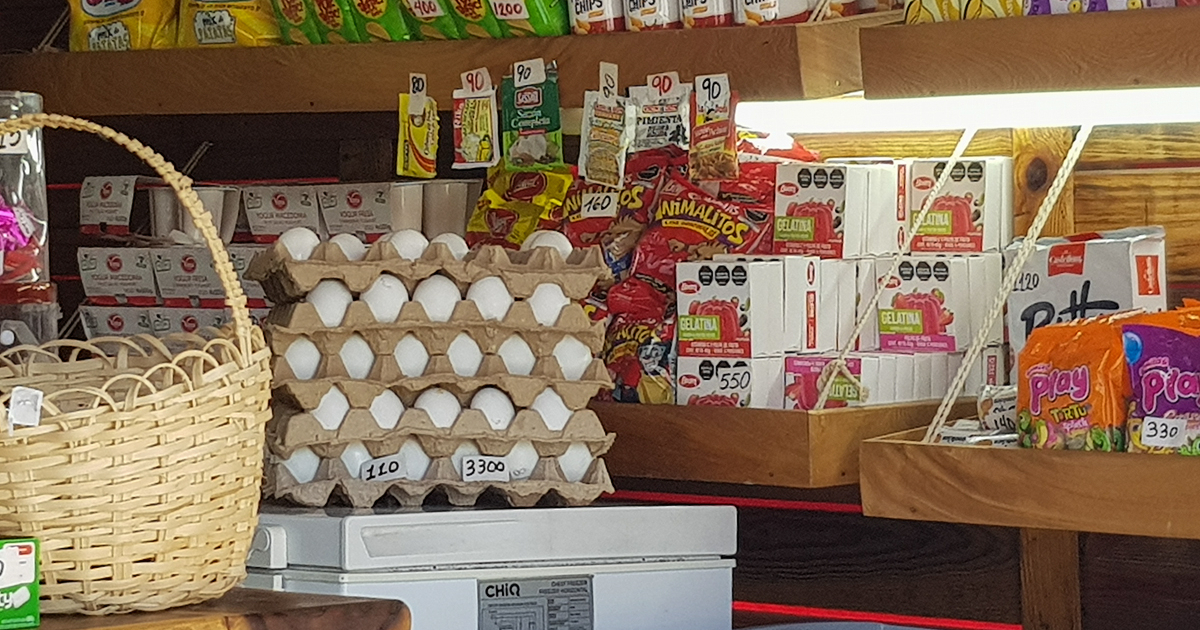
This announcement follows Matanzas' establishment of reference prices for eight staple items: cooking oil at 2,500 Cuban pesos (CUP) per liter in retail, chopped chicken at 500 CUP per pound, rice at 300 CUP, beans at 350 CUP, eggs at 110 CUP each, powdered milk at 3,400 CUP per kilogram, sugar at 400 CUP per pound, and sausages at 900 CUP per kilogram.
These price caps starkly contrast with the informal market, where the price of oil soared beyond 4,000 CUP per liter in August 2026, double the official rate.
Public Skepticism and Frustration
Public comments on the government's announcement reveal a mix of skepticism and frustration about the measure's effectiveness.
"Now they don't want to sell chicken or oil at all," one resident commented, highlighting the immediate impact of these regulations. Faced with the threat of sanctions, many vendors choose not to sell these goods at all.
Another comment was more blunt: "Shutting down businesses should also be a crime. Many are doing it."
Citizens have noted a trend of vendors closing shop in anticipation of inspections: "Don't announce inspections in advance, because everyone knows when inspectors are coming and they close up," another user pointed out.
Challenges in Enforcement
Doubts about the enforcement of these controls also arise regarding who exactly is being inspected.
"How can they demand compliance from self-employed workers when we all know that the owners of the major wholesale micro-enterprises are the ones running Cuba, and they won't be inspected? High prices start there. No one buys expensive to sell cheap. Don't underestimate the intelligence of Cubans," another resident remarked.
One individual shared screenshots from an online store showing five liters of sunflower oil priced at $23.83, spotlighting the disparity between regulated prices in pesos and actual prices in foreign currency.
A resident encapsulated the situation's irony with an unanswered question directed at the official post: "Is there an official list from the government on the price caps yet?"
Provincial Measures Across Cuba
Matanzas is not alone in its efforts. Artemisa followed suit on August 13 by establishing a maximum commercial margin of 30%. Meanwhile, Villa Clara set maximum prices on August 8, and Guantánamo did the same on the fifth of the month.
This wave of provincial controls stems from a national government decision in June 2026 to remove price caps for goods like chicken, oil, powdered milk, pasta, and sausages, citing a need to liberalize the private sector.
The result was an immediate surge in prices, prompting provincial governments to react in an uncoordinated manner with uncertain outcomes.
Understanding Price Controls in Cuba
Why has Matanzas set up hotlines for reporting price gouging?
The hotlines were established to help combat excessive pricing on essential goods that have far exceeded the official limits set by the local authorities, in an effort to control rising costs for consumers.
What has been the public's response to the price controls in Matanzas?
The public response has been largely skeptical and frustrated, with many expressing doubts about the effectiveness of the controls and noting that vendors are opting to close rather than face sanctions.
How have other provinces in Cuba responded to the national price cap removal?
Following the removal of national price caps, provinces like Artemisa, Villa Clara, and Guantánamo have independently set maximum prices or margins in an attempt to manage the resulting price increases.