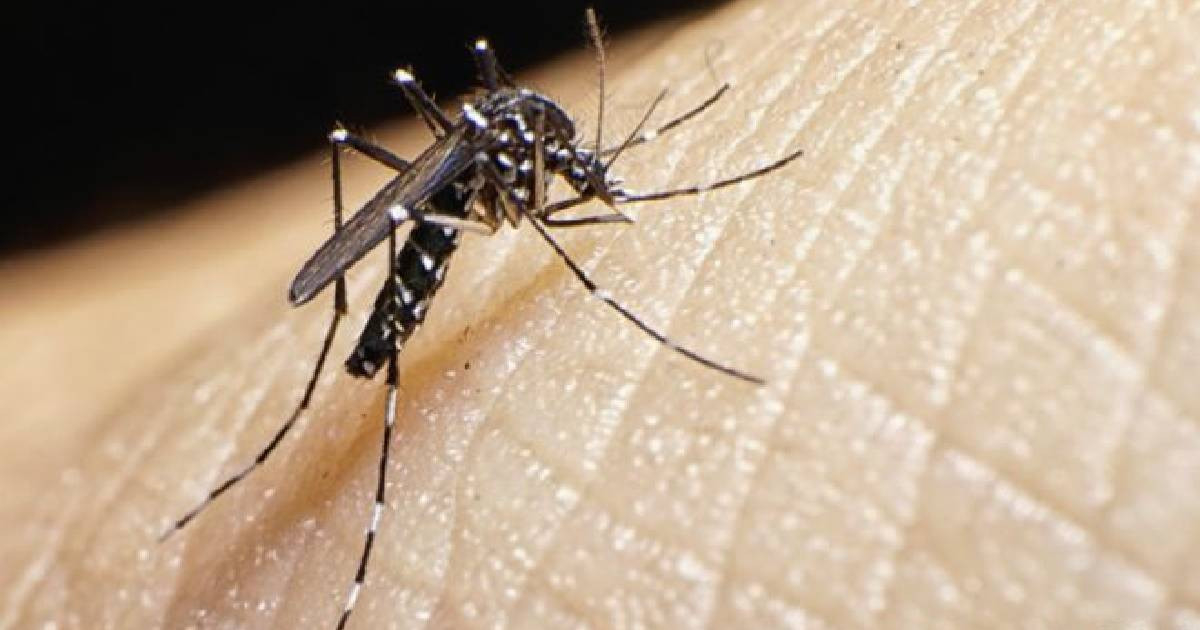
Officials from both the political and health sectors in Guantánamo acknowledged on Friday that the province is facing a worsening epidemiological situation, characterized by a surge in the presence of the Aedes aegypti mosquito and shortcomings in identifying fever cases.
Yoel Pérez García, the first secretary of the Communist Party in the region, called a meeting with health directors, which also included Governor Alis Azahares Torreblanca. He demanded increased efforts in the anti-vector campaign, according to the official newspaper Venceremos.
Pérez identified the shortage of field researchers as a critical issue. He emphasized that having a complete team is "crucial" for improving fever case detection and controlling the breeding sites of the mosquito, although the media refrained from providing specific statistics.
The governor stressed "the importance of effective leadership and cross-sector collaboration to defeat such a dangerous vector, which is responsible for potentially deadly diseases like dengue, chikungunya, yellow fever, and Zika."
Most Impacted Areas
Guantánamo, Caimanera, San Antonio del Sur, El Salvador, and Niceto Pérez have been identified as the most severely affected municipalities by the Aedes aegypti. Authorities in these areas are prioritizing health forums and educational talks to guide the public on eliminating breeding sites and seeking medical advice if fever symptoms arise.
Concerns Over Maternal and Child Health
During the same meeting, there was a critical evaluation of the Maternal and Child Health Program's performance so far this year, with significant negative impacts noted in Guantánamo, Baracoa, Manuel Tames, and El Salvador.
This alert follows weeks of ongoing decline. By late July, Guantánamo concluded a week with 23 suspected dengue cases, and the municipalities of Imías and San Antonio del Sur were placed on epidemiological alert, the highest risk level within the Cuban endemic channel before an epidemic is declared.
On August 10, Radio Guantánamo reported an increase in fever cases in the provincial capital, with 18 suspected dengue cases mainly in the southern area, alongside confirmed circulation of serotypes 2, 3, and 4 of the virus.
Nationwide Health Crisis Context
Provincial challenges are part of a broader national health crisis. In June, Carilda Peña, deputy minister of Public Health, publicly warned that Cuba might face a new dengue epidemic due to the simultaneous circulation of all four virus serotypes.
Structural factors are exacerbating the issue. Prolonged power outages force families to store water in containers that become mosquito breeding grounds. Additionally, the collapse of waste collection services due to fuel shortages aids mosquito proliferation, while a lack of insecticides hinders fumigation efforts across much of the country.
Guantánamo has a recurring history as one of the provinces hardest hit by dengue. In October 2022, it was identified as the first area in the country with infections, with nearly 1,600 Aedes aegypti larvae sites found in more than 1,300 homes across nine municipalities.
According to the Pan American Health Organization, Cuba ended 2025 with over 81,900 cases of dengue and chikungunya, and at least 65 deaths linked to these diseases—figures that the Ministry of Public Health took months to publicly acknowledge.
Key Questions About the Aedes Aegypti Outbreak in Guantánamo
What measures are being taken to combat the Aedes aegypti outbreak in Guantánamo?
Authorities are prioritizing anti-vector campaigns, increasing the number of field researchers, and conducting health forums and educational talks to guide the public on eliminating mosquito breeding sites and recognizing fever symptoms.
Why is Guantánamo particularly affected by dengue?
Guantánamo's vulnerability is exacerbated by structural issues like prolonged power outages, ineffective waste management, and a shortage of insecticides, which create favorable conditions for mosquito proliferation.
How does the national health crisis in Cuba relate to the situation in Guantánamo?
The problems in Guantánamo are part of a larger national health crisis, with the simultaneous circulation of all dengue serotypes and significant structural challenges affecting the entire country.