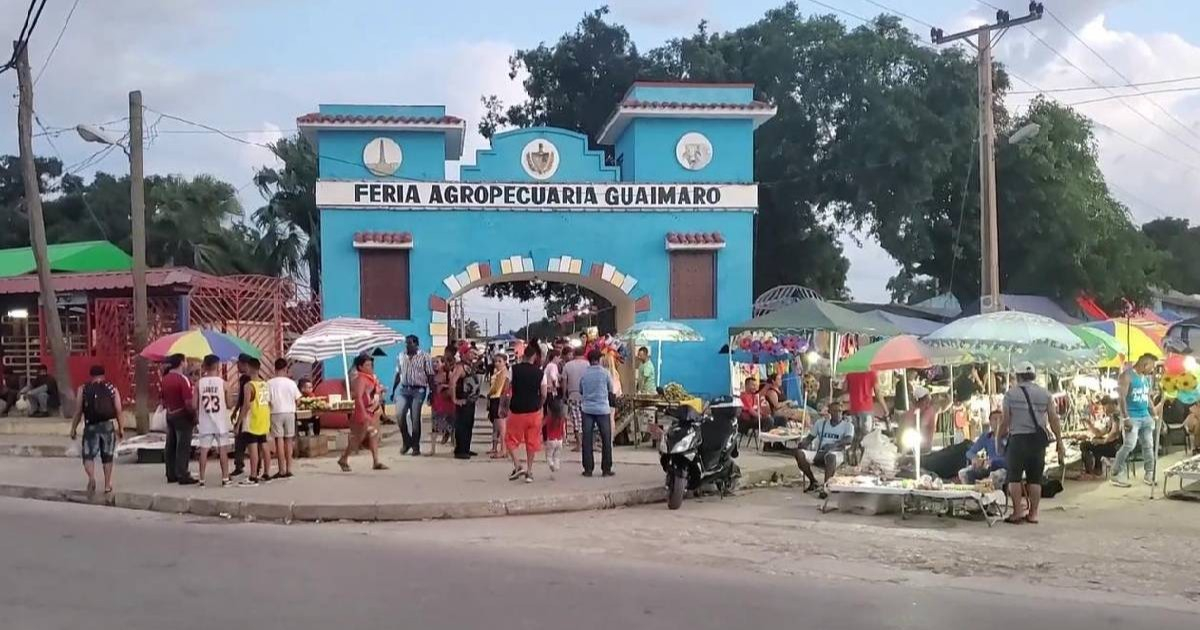
Employees in the Commerce and Gastronomy sectors of Guáimaro, a town in Camagüey province, have gone almost half a year without receiving their salaries, despite the Provincial Bank having allocated 90 million pesos over a month ago to address these payments.
Independent journalist José L. Tan Estrada brought attention to this issue through a public complaint on Facebook, highlighting that the funds were designated but never reached the workers’ pockets.
This situation is particularly dire for those nearing retirement or dealing with health issues, as they are unable to formalize their retirement while their wages remain unpaid.
Unresolved Issues in Martí
The town of Martí, within the municipality, is at the center of many complaints. Residents feel neglected by the authorities, as official explanations change weekly without leading to any tangible solutions.
Historical Wage Disparities in Camagüey
Camagüey is among the provinces with the lowest average salaries in the nation—5,564 pesos monthly in 2025, compared to the national average of 6,930 pesos. The province has a documented history of unpaid wages.
In December 2025, the state-run newspaper Trabajadores acknowledged that 675 workers in Camagüey had experienced salary delays of up to 116 months across 13 state entities, including the same Interior Commerce Business Group affected now in Guáimaro.
Nationwide Salary Delays
In July 2026, Camagüey teachers reported two months without pay, with the official response being simply, "there is no money." Similarly, in Guantánamo, over 6,000 workers in the Culture, Sports, and Education sectors went unpaid for July due to cash shortages.
In Santiago de Cuba, the director of the Dolores Concert Hall also reported that her staff had not been paid for over two months.
Government's Inadequate Response
The regime attempted to address the crisis by raising the minimum wage from 2,100 to 3,210 pesos in July 2026, with payments expected in August. However, independent economists argue that this amount is negligible against a cost of living estimated at over 50,000 pesos per person monthly, rendering any state salary insufficient for basic needs.
Meanwhile, in Guáimaro, workers continue to wait for a payment that, according to the complaint, has a name, amount, and source: 90 million pesos designated by the bank weeks ago that have simply vanished.
Understanding the Ongoing Wage Crisis in Cuba
What is causing the delay in salaries for Guáimaro workers?
Despite the allocation of 90 million pesos by the Provincial Bank to cover salaries, the funds have not been disbursed to the workers, leaving them unpaid for nearly six months.
How has the government responded to the wage crisis in Cuba?
The government raised the minimum wage from 2,100 to 3,210 pesos in July 2026, but this increase is widely considered insufficient given the high cost of living, estimated at over 50,000 pesos monthly per person.
What impact does the unpaid salary have on Guáimaro workers nearing retirement?
Workers close to retirement or those with health issues are particularly affected, as they cannot retire officially until their pending salaries are paid, exacerbating their financial and personal difficulties.