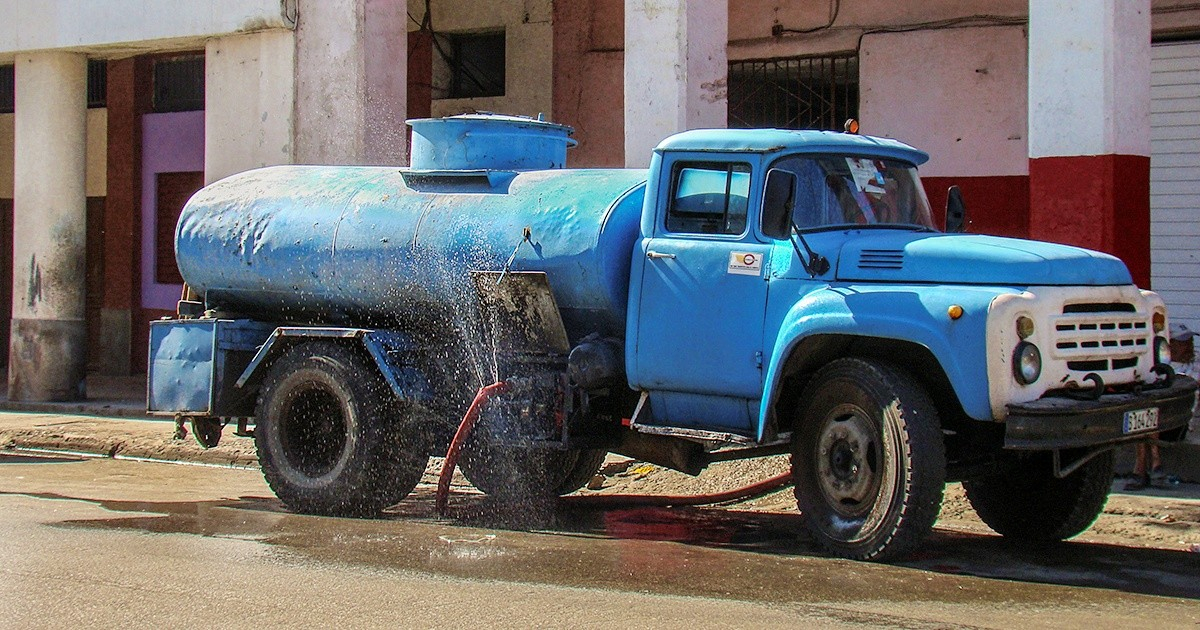
A recent breakdown in Havana's water infrastructure has left several eastern neighborhoods without access to water. The state-run company, Aguas de La Habana, announced this latest disruption on their Facebook page on Thursday, August 13, detailing affected areas but failing to provide a definitive timeline for restoring service across the board.
Impact of the Water Outage
According to the official statement, the issue originated in "one of the 1,000 mm pipes of the Nudo A Tanque Loma de la Cruz of the Sistema del Gato," the main water supply line for the city. Areas directly impacted include Los Camilos, the lower part of Regla, and Casa Blanca, where water service is suspended during repairs.
While Alamar will continue to receive full service due to its independent system, the high areas of San Miguel and other affected low-lying areas will see a gradual return of service in the evening hours. The Villa Panamericana and the Camilo Zone, along with the lower area of Regla, will have water restored once repairs are completed. However, greater uncertainty looms over the intermediate and higher regions of Regla, Guanabacoa, and Lawton, as the company has promised to update residents on the repair completion timeline by Friday morning.
The announcement ends with a plea for residents to adopt "necessary water-saving measures" and offers apologies for the inconvenience caused.
A Chronic Infrastructure Failure
The rupture on Thursday is not an isolated incident but a symptom of a long-standing structural failure, exacerbated by the regime's neglect. Back in February 2026, a significant breakdown involving a 48-inch pipe in the Sistema del Gato led to the shutdown of seven pumping stations, disrupting water supply to Guanabacoa and areas of East Havana.
Key pipelines have been in continuous use for 60 to 70 years without adequate replacement, resulting in 40% to 70% of pumped water being lost to leaks before reaching homes. The sewer system, built between 1905 and 1915 for a city of 600,000, now inadequately serves nearly two million residents, with 1,755 kilometers of outdated piping.
Moreover, 87% of the water system relies on the electrical grid, meaning that every power outage automatically halts water pumping.
Worsening Water Crisis
The crisis has only deepened throughout the year. In April, about 200,000 residents of Havana faced water supply issues. By May, Antonio Rodríguez Rodríguez, president of the National Institute of Hydraulic Resources, admitted that 376,055 people were affected in the capital. By July, Aguas de La Habana experts estimated that over 500,000 consumers were impacted. Nationwide, nearly 2.7 million Cubans lack reliable access to potable water.
The Daily Struggle for Water
While the state company issues formal apologies, the lived reality for residents is dire. On August 12, a Cuban resident reported in the "Victims of Aguas de La Habana" group that sewage was contaminating their water supply: "Sewage water is coming through our pipes." The inadequate pressure in cracked pipes allows wastewater to infiltrate the potable water network, a health hazard that the UN had previously warned could increase the risk of dengue and chikungunya.
Days earlier, two young girls, around seven years old, were seen hauling jugs of water from the cistern of the Mariana Grajales primary school. A local witness shared on Facebook, "There's no transportation, no fuel, no electricity to pump water, and no potable water supply. Children no longer laugh or sing."
With no official solutions in sight, Habaneros turn to the black market, where a tanker of water can cost up to 60,000 pesos. A Cuban woman named Jessica vlog starkly summed up her neighborhood's plight: "It's been nine months without water. Life here isn't living anymore; it's just surviving."
Frequently Asked Questions about Havana's Water Crisis
What areas in Havana are most affected by the water outage?
Los Camilos, the lower part of Regla, and Casa Blanca are among the areas most affected, with Alamar receiving some service due to its independent system.
Why is Havana's water infrastructure so vulnerable?
Havana's water infrastructure is vulnerable due to decades of neglect, with key pipelines in use for 60 to 70 years without replacement, resulting in significant water loss through leaks.
How are residents coping with the ongoing water crisis?
Residents are relying on the black market for water, where prices for a tanker can reach up to 60,000 pesos, as they face a severe shortage of potable water.