As of 8:00 PM local time in Cuba, the informal foreign exchange market concluded this Thursday, August 13, 2026, with a generally stable outlook.
The U.S. dollar and the euro finished the day unchanged compared to the previous session, while the MLC (Moneda Libremente Convertible) showed minimal movement. Due to the limited data available, this should be regarded as an indicative value.
The U.S. dollar closed at 665 Cuban pesos (CUP), with a buying rate around 660 CUP and a selling rate near 670 CUP, showing no changes from the day before.
In a weekly comparison, however, the dollar has lost 8 pesos from 673 CUP a week ago, marking a 1.1% decline. Compared to 30 days ago, when it was at 655 CUP, the dollar has gained 10 pesos, though this one-month comparison might partly reflect methodological adjustments in the index.
Euro's Performance and Comparative Analysis
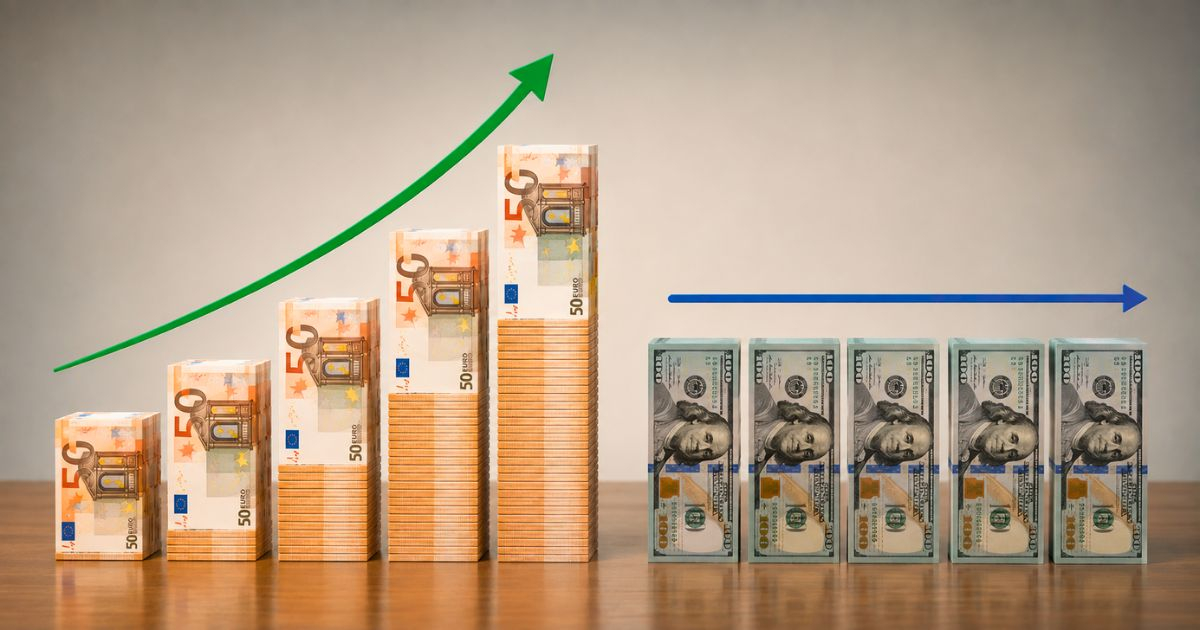
The euro ended the day at 760 CUP, with buying at 750 CUP and selling at 770 CUP, consistent with the previous session. Over the past week, the euro has dropped 25 pesos from 785 CUP, a 3.2% decrease. Compared to a month ago when it traded at 755 CUP, the euro has gained 5 pesos, although this difference should be interpreted cautiously due to potential methodological adjustments. Over the last month, the euro ranged between a low of 753 CUP and a high of 790 CUP, surpassing the dollar by 95 pesos, reinforcing its dominant position in Cuba's parallel market.
MLC's Modest Fluctuations
The MLC closed at approximately 454 CUP, with buying at 447 CUP and selling at 461 CUP. It recorded a minor increase of 1 peso from the previous day, although this data should be seen as indicative due to the low volume of transactions during this time. Weekly, the MLC has risen 5.5 pesos from 449 CUP. Compared to a month ago, when it stood at 486 CUP, it has decreased by 31.5 pesos, although this one-month comparison may reflect methodological adjustments. Over the past four weeks, it has fluctuated between a low of 413 CUP and a high of 496 CUP. The absence of physical currency limits its use to state-run stores that accept it, restricting its circulation compared to cash currencies.
Exchange Rates and Economic Impact
The exchange rate for the USD stands at 665 CUP, for the EUR at 760 CUP, and for the MLC at 454 CUP (indicative value due to limited data). The official exchange rate by the Central Bank of Cuba (Segment III) remains significantly lower at 624 CUP per dollar and 720 CUP per euro, falling short of meeting the real demand for foreign currency in the informal market.
Although Segment III was introduced as a more flexible exchange mechanism, its official rates remain far from the informal market rates and fail to meet the actual demand for foreign currency among the population. Over the past month, the official dollar rate has risen from 592 to 624 CUP, and the euro from 674 to 720 CUP, yet the gap with the parallel market remains wide: over 40 pesos for the dollar and nearly 40 pesos for the euro.
In a scenario of ongoing inflation, low state salaries, and increasing partial dollarization of the economy, every fluctuation in the informal market directly impacts internal prices and the purchasing power of Cubans.
The CiberCuba Exchange Rate is an index of the informal Cuban market created from automated analysis of thousands of currency buy-sell posts in Telegram and Facebook groups; atypical offers and spam messages are discarded, each transaction is weighted by its age, and a representative value is consolidated and updated several times a day.
Currency Conversion Equivalents
U.S. Dollar (USD) to Cuban Peso (CUP) conversion, based on this Thursday, August 13, 2026, exchange rates: 1 USD = 665 CUP, 5 USD = 3,325 CUP, 10 USD = 6,650 CUP, 20 USD = 13,300 CUP, 50 USD = 33,250 CUP, 100 USD = 66,500 CUP.
Euro (EUR) to Cuban Peso (CUP) conversion, based on this Thursday, August 13, 2026, exchange rates: 1 EUR = 760 CUP, 5 EUR = 3,800 CUP, 10 EUR = 7,600 CUP, 20 EUR = 15,200 CUP, 50 EUR = 38,000 CUP, 100 EUR = 76,000 CUP, 200 EUR = 152,000 CUP.
Understanding Cuba's Informal Exchange Market
Why do the informal exchange rates in Cuba differ from the official ones?
The informal exchange rates in Cuba differ from the official ones due to a mismatch between the official rates and the actual demand for currencies. The official rate set by the Central Bank often does not reflect the real economic conditions and currency shortages faced by the population.
How does the informal market impact the Cuban economy?
The informal market significantly impacts the Cuban economy by influencing internal prices and affecting the purchasing power of Cubans. The fluctuations in informal rates can lead to inflationary pressures and affect the cost of living.
What is the role of the CiberCuba Exchange Rate?
The CiberCuba Exchange Rate serves as an index that reflects the informal currency market in Cuba. It aggregates and analyzes data from various online platforms to provide a representative and updated value for the exchange rates used by the public.